How to Prepare Your Yard for Tree Removal
A tree removal goes smoothly when the yard is ready for it. The crew works faster, the job is safer for everyone on the property, and your lawn, fences, and landscaping have a much better chance of coming through in one piece. Yet most homeowners aren't sure what "ready" actually means: how much space to clear, who to notify, what to do about utilities, and what the crew needs from them beforehand.
This guide walks through how to prepare your yard for tree removal, from clearing the work area and protecting what's staying to checking for hidden lines and settling the decisions that come up on the day. It's organized around three kinds of obstacles: the ones a crew can see, the ones they can't see, and the ones that are really just unanswered questions, like what to do with the wood and the stump.
Start With the Crew's First Ten Minutes
When a crew pulls up, the foreman does the same thing every time. He walks from where the truck will park to the tree, looks up at the canopy, looks down at the ground, and then walks back along whatever route the wood will take on its way out. That walk takes about ten minutes, and it shapes how the whole job runs.
Do that walk yourself a week or so ahead, phone in hand. Start at the curb, end at the trunk, and look for anything that would make a stranger with a chainsaw and a loaded trailer slow down: a narrow gate, a low wire, a soft patch of lawn, a flower bed along the path. Take photos. You'll want them when we get to the part nobody thinks about.
What the Crew Can See: The Drop Zone and the Exit Route
The drop zone
Large trees are usually taken down in sections rather than felled in one piece, but pieces still swing, drop, and bounce. Until your crew tells you otherwise, treat anything within roughly the height of the tree as part of the drop zone. Before the crew arrives, move out:
- Cars, trailers, boats, and anything else with wheels
- Grills, patio sets, umbrellas, and planters
- Trampolines, play sets, bikes, and toys
- Birdbaths, statues, and yard art
- Hoses, extension cords, and string lights
- Anything hanging on the tree itself: swings, hammocks, feeders, cameras
If something can't be moved, like a shed or a built-in play set, say so when you book. A good crew can plan around it, but they need to know before the saws start.
The exit route
Here's what most guides skip. The drop zone is where the tree comes down; the exit route is how it leaves your property. Logs, brush, and chips travel from the trunk to a truck or trailer, and that path is often longer and tighter than the drop zone itself.
Unlock gates and open side-yard access the evening before. If a narrow gate, a covered walkway, or an overgrown hedge pinches the path, mention it when you book rather than when the crew arrives. Look up as well: low limbs from neighboring trees and service wires over the driveway can limit which equipment can come in. For more on why the gear matters, read our post on why proper equipment matters for tree removal.
Then think about the ground. Much of Southern Indiana sits on clay-heavy soil that stays soft long after the rain stops, and a loaded truck can leave ruts that outlast the stump. If the week has been wet, ask your crew whether it makes sense to shift the date by a few days. A rescheduled job beats a torn-up lawn.
What the Crew Can't See: Wires, Pipes, and Property Lines
Overhead lines
If any limb is touching or close to a wire running to your house or along the street, say so when you book. Stay well back and never try to trim near it yourself. Work around power lines is specialized, and it changes how a job is planned.
Underground lines
Indiana law requires anyone who digs to contact Indiana 811 at least two full working days beforehand, and Indiana 811 walks homeowners through the process on its 5 steps to safe digging page. A straight removal usually doesn't involve digging, but stump grinding cuts below grade, and responsible crews treat it that way. Ask whoever is quoting your job who files the locate request and when.
Here's the catch homeowners rarely hear: 811 does not mark private lines. Utilities mark their own facilities. The lines you or a previous owner installed are yours to know about, including:
- Irrigation lines and sprinkler heads
- Invisible dog fence wire
- Landscape lighting cable
- A gas line running to a grill, pool heater, or generator
- A septic tank and drain field, or a well line
- Drainage pipe or French drains
Mark what you know with flags, pull out your photos, and tell the foreman about the rest. Heavy equipment and septic systems don't mix, so if you're not sure where yours sits, find out before removal day, not during it.
Property lines, permits, and neighbors
Confirm the tree is yours. A trunk near a fence line may belong to the neighbor or be shared, and that's a conversation to have well before a crew shows up. If you live inside city limits or in an HOA, ask whether a permit or notice is required; one phone call usually settles it. Then tell your neighbors the day and rough hours. Noise, trucks, and curb space are what generate complaints, and a heads-up costs nothing.
What's in Your Head: Decisions to Make Before Removal Day
Every one of these questions gets asked on the day, usually while the saws are warming up. Answering them in advance is the most useful prep there is.
- The wood. Do you want firewood, hauling, or chips for mulch? If you're keeping logs, pick a stacking spot away from the house.
- The stump. Grind it or leave it? If grinding, our post on how soon you can grind a stump after tree removal explains the timing.
- What's included. Ask whether the quote covers raking, hauling brush, leveling, and chip removal, and get it in writing so there are no surprises.
- What you want protected. The hydrangeas under the canopy, the new sod, the freshly painted fence. Point them out; crews can't protect what they don't know matters to you.
When you compare quotes, ask each company for proof of insurance and call to confirm it's current. The International Society of Arboriculture's TreesAreGood.org explains what to look for when hiring a tree care professional. And once the tree is down, our guide on what to do after a tree is removed covers restoring the yard.
Removal Day: What to Do and What to Skip
Be reachable, and if you can, be home for the first fifteen minutes. That's when the foreman confirms which tree, which route, and what to avoid. After that, the best place to be is inside, at a window, well outside the drop zone. Keep kids and pets indoors for the duration; between the noise and the falling wood, a yard under a tree job is no place for either.
Skip the pre-trimming. It's tempting to "help" by cutting low limbs first, but that's how ladders and chainsaws end up in the wrong hands; see our post on what never to do when cutting down a tree. If you want a second tree added, say so before work begins so the plan and the schedule can adjust.
A Simple Timeline
- One to two weeks out: walk the route, take photos, flag private lines, confirm ownership and permit questions, decide on wood and stump.
- At least two full working days before any digging: make sure the 811 locate request has been filed.
- The day before: tell the neighbors, unlock gates, move vehicles, and loose items.
- Morning of: clear the driveway, keep pets inside, and be reachable for the walkthrough.
When It Can't Wait
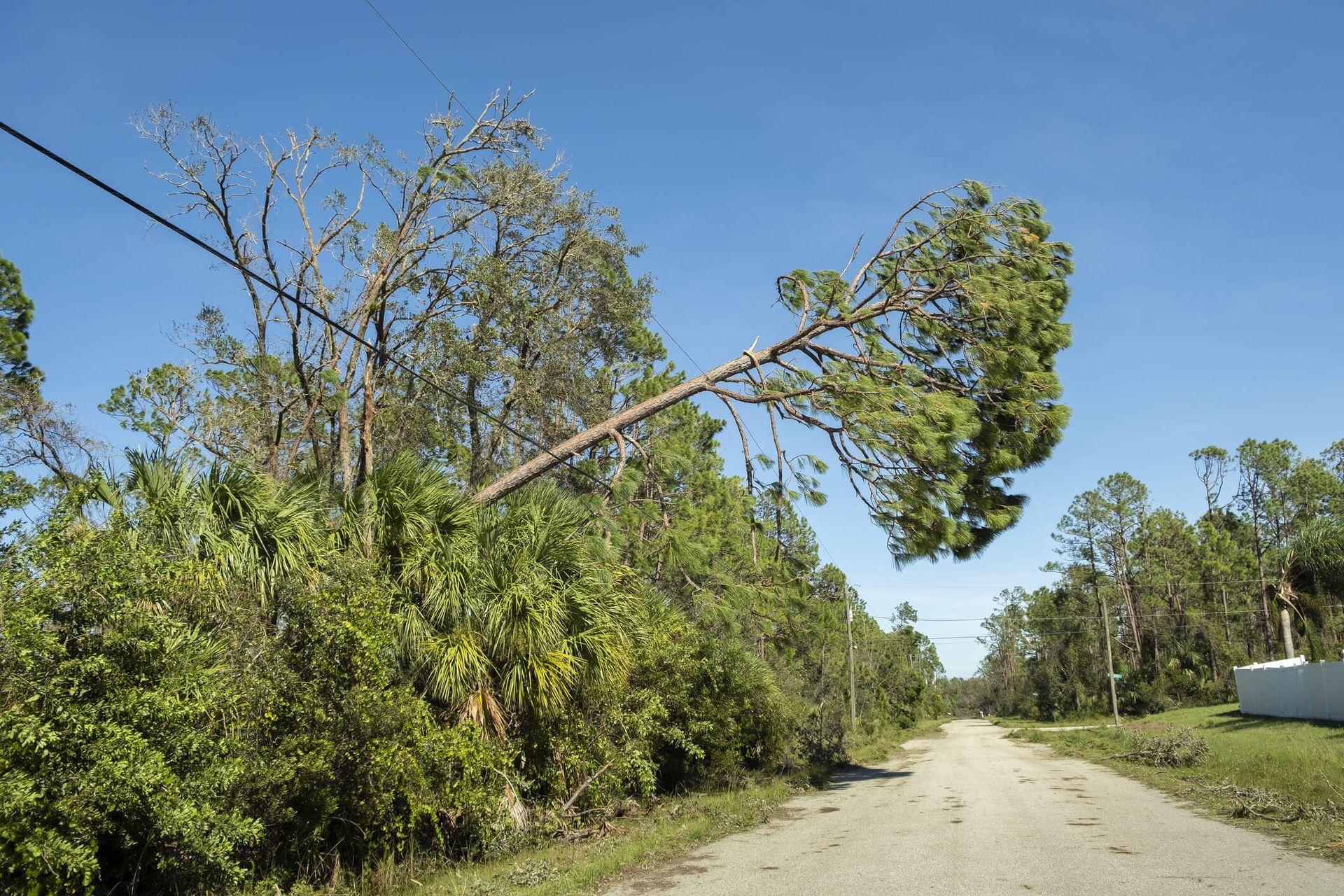
If a tree is already on the house, on a wire, or leaning hard after a storm, skip the prep. Stay clear, keep everyone out of the area, and call a professional right away. Our post on what to expect during emergency tree removal walks through how those jobs unfold, and if you're unsure whether a lean is dangerous, start with how to tell if a leaning tree is dangerous.
Ready When You Are
At Trees Unlimited | SYS Enterprises, we've been taking down trees across Southern Indiana and Metro Louisville for more than 27 years, and we're glad to walk the property with you before the job. Learn more about tree removal in Charlestown, IN, or contact us or call 502-724-6950, Monday through Friday, 6:30 am to 5:00 pm.
Frequently Asked Questions
How far in advance should I prepare my yard for tree removal?
Start the walkthrough and your decisions one to two weeks out. Any 811 locate request needs at least two full working days, and vehicles and loose items should be moved the evening before.
Do I need to be home during tree removal?
Not always, but it's best to be there for the first few minutes so the foreman can confirm the tree, the route, and anything to avoid. If you can't be, leave notes, photos, and a phone number you'll actually answer.
Where should I park on removal day?
Off the driveway and out of the work area, and ask neighbors to leave street space near your property open if the crew needs it.
Do I need a permit to remove a tree?
It depends on your city, your HOA, and where the tree stands. Ask your city or HOA before booking; a quick call usually settles it.
Should I trim the tree myself first?
No. Pre-trimming adds risk and can interfere with the crew's plan for taking the tree down.
Is cleanup included in tree removal?
It varies from company to company, so ask exactly what the quote covers: brush, wood, chips, raking, and stump grinding if you want it.
You might also like