What to Expect During Emergency Tree Removal
A tree coming down is not a slow emergency. It is immediate, it is loud, and it leaves you standing there looking at a situation you have no experience with, trying to figure out what to do next. Whether it is a storm-felled oak on your roof, a large limb across your driveway, or a compromised tree leaning toward your house after high winds, the steps you take in the next few hours matter as much as the removal itself.
This is a straightforward guide to what you should do before calling, what to expect while you wait, and what the removal process actually looks like from your perspective as the homeowner. After 27 years of emergency tree work in Southern Indiana and Metro Louisville, we have been through every variation of this situation. What follows is what we would tell a neighbor facing it for the first time.
Before You Call: What to Do in the First Few Minutes
The most important thing you can do in the first few minutes after a tree comes down is stay away from it. This sounds obvious, and people consistently ignore it.
A fallen tree is not a static object. It is a system under tension: roots that are partially out of the ground can release and let the root ball shift; branches that are pinned under the trunk can spring free when the weight distribution changes; a tree that is leaning against a structure is transferring load to that structure in ways that are not always visible from the outside. Going near a fallen tree to assess the damage, retrieve something pinned underneath it, or take photographs puts you in proximity to a hazard that can move without warning.
Keep everyone, including pets and children, away from the tree and the immediate area around it until the crew has assessed the situation. This includes staying out of rooms in your house that the tree is touching or resting against, if the tree has come down on the structure.
If the tree has come down on or near a power line, treat every line on the ground as energized until the utility company confirms otherwise. Do not touch the line, do not touch any object in contact with the line (including the tree, a fence, or a vehicle), and do not walk through standing water near a downed line.
When You Call: What Information Helps
When you reach an emergency tree service, the dispatcher will need specific information to assess the situation and send the right equipment. Having answers ready shortens the call and speeds dispatch:
- Is the tree on a structure, a vehicle, or a utility line, or is it free-standing on the ground?
- Approximately how large is the tree (height, trunk diameter if you can estimate)?
- Is access to the tree clear, or is there a fence, gate, or other obstruction between the street and the tree?
- Is the situation creating an immediate safety risk that cannot wait, or is it stable but urgent?
The last question is important. Emergency tree services triage calls the way an emergency room triages patients: a tree actively resting on an occupied structure or a live utility line is different from a tree that has fallen across a driveway. Honest description of the situation gets the right response to you faster.
During major storm events in Southern Indiana and Metro Louisville, when multiple trees come down across a service area simultaneously, response times extend. This is not a reflection of priority; it is the reality of a finite crew covering a geography that has been hit broadly. A good emergency tree service will give you an honest time estimate and will tell you if another crew is closer.
While You Wait: What to Do and What Not to Do
The window between your call and the crew's arrival is where homeowners most often create additional problems. A few consistent patterns:
Do not attempt to move any part of the tree yourself. This includes pulling branches, cutting pieces with a chainsaw you own, or using a vehicle to drag debris clear of a driveway. Moving one part of a fallen tree changes the load distribution on every other part. A cut that releases tension in the wrong place can cause a limb to spring, a trunk section to roll, or a root ball to shift. This is how bystanders get seriously injured in tree situations that were stable before they intervened.
Document the damage for insurance purposes from a safe distance. Photographs taken before removal begins are important for homeowner's insurance claims. Take them from outside the danger zone; your adjuster does not need close-up photographs, and no photograph is worth the risk of proximity to an unstable tree.
If the tree is on your roof, do not go into the affected area of the house to retrieve belongings or assess the damage from inside. A tree resting on a roof is transferring load to the structure; what looks like a stable situation from the inside can change without warning as the wood settles or as the tree shifts.
If it is raining and the tree has breached your roof, use buckets or waterproof tarps in adjacent rooms rather than entering the affected area. Temporary water management from a safe position is preferable to entering an area where the structural integrity is unknown.
When the Crew Arrives: The Assessment Phase
The first thing an experienced emergency tree crew does when they arrive is not start cutting. It is to assess. This phase can take several minutes, and homeowners who are anxious for action sometimes misread it as hesitation. It is not. It is the most important part of the job.
The crew is evaluating: the load the tree is placing on whatever it has fallen against; where the tension and compression points are in the wood; what will happen in which direction when the first cut is made; what equipment is needed for this specific removal; where to position people and machinery to keep the crew safe; and whether there are secondary hazards (additional compromised limbs above, a root ball that is not fully released, a fence or structure that will be in the path of debris).
They are also looking at the path for their equipment. A crane or bucket truck that cannot reach the tree because of a locked gate or an obstruction that was not mentioned on the call requires a solution before work can begin. This is one of the reasons clear communication on the call matters.
The crew leader will walk through the plan with you briefly before work begins. This is your opportunity to ask questions and to communicate anything about the property that may not be visible: an underground irrigation system, a buried propane line, a fence that can be temporarily removed to improve access. Tell them everything relevant before the first cut.
The Removal Process: What You Will See
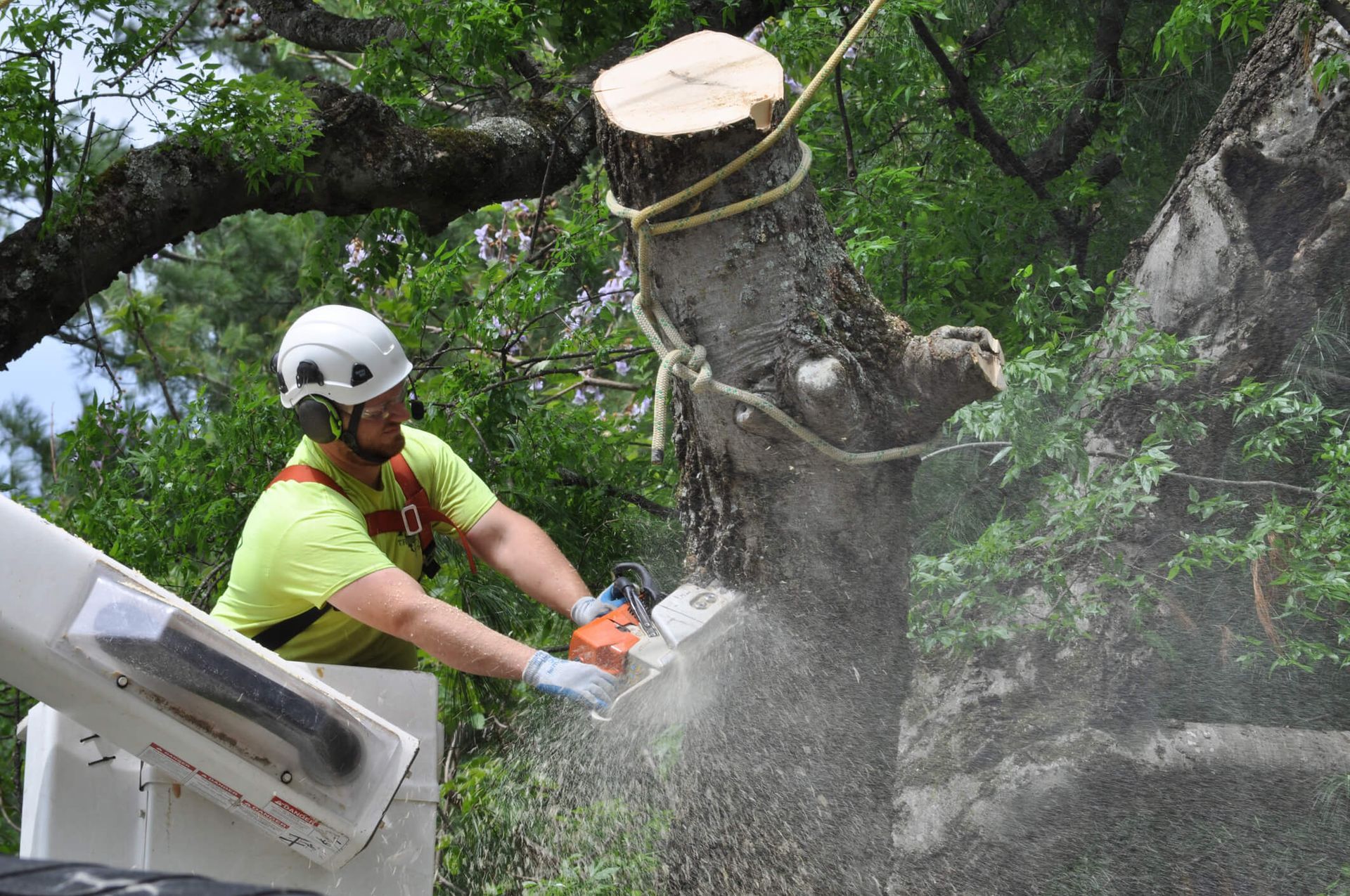
Emergency tree removal in Southern Indiana and Louisville typically works from the top or the point of contact downward, in sections. The goal is to reduce the load on whatever the tree is resting against in a controlled sequence, not to make a single cut and let the whole tree move at once.
For a tree on a roof or structure, this means sectioning upper limbs and portions of the trunk away from the structure first, using rigging to control where each piece falls, before addressing the section in direct contact with the structure. This is deliberate, methodical work. The pace is not slow; it is controlled, which looks different from the outside than a frantic pace would.
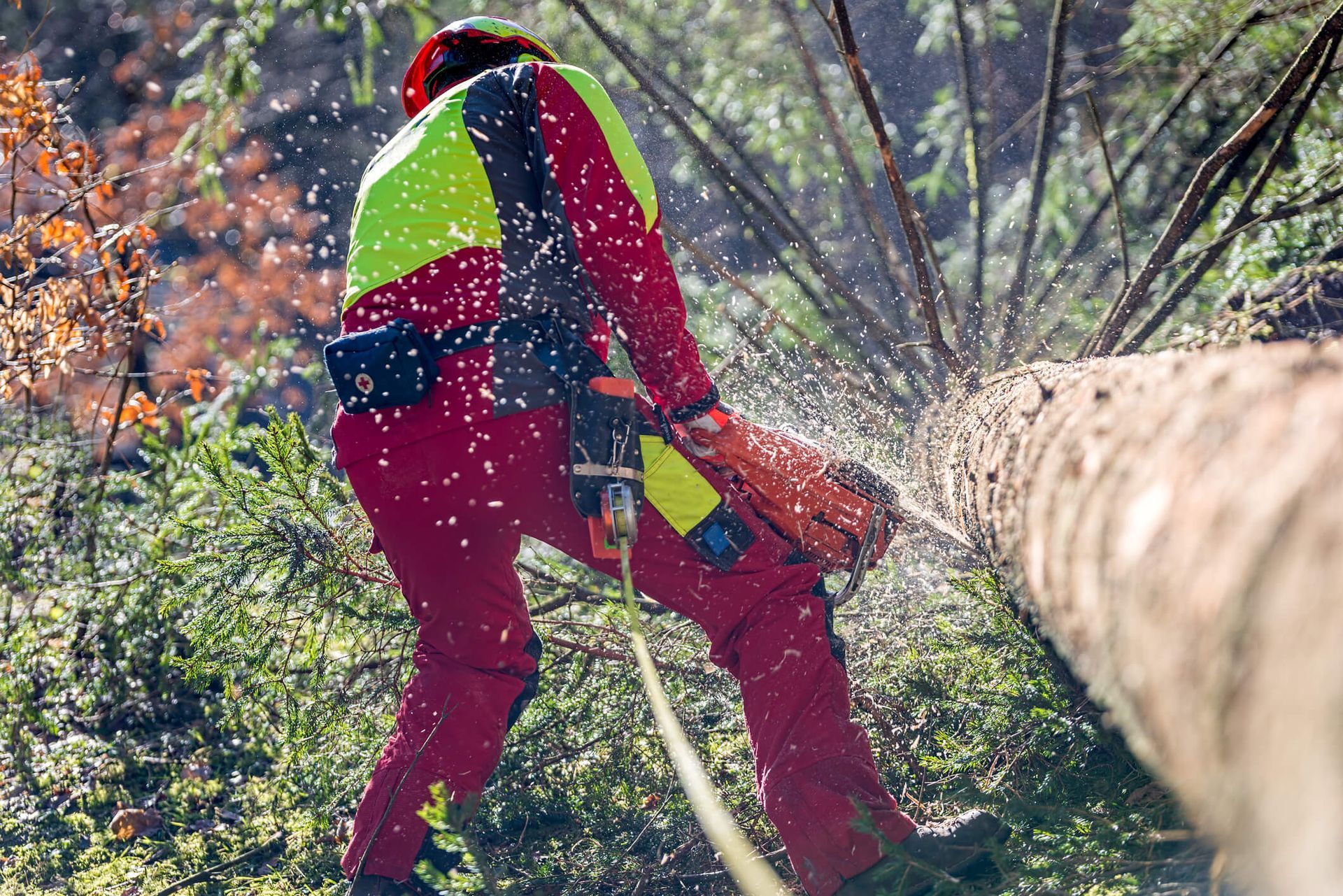
For a tree on the ground that has not hit a structure, the process is simpler: the crew determines the safest sequence of cuts, sections the trunk and major limbs into manageable pieces, and works through the debris systematically.
You will hear chainsaws, occasionally a chipper, and the sound of wood being moved and stacked. The crew will ask you to stay back from the work zone. This is not a preference; it is a safety requirement. Falling wood, snapping tension, and debris from a chipper can travel farther than they appear to from a distance. Stay inside or at a distance the crew designates as safe.
What Emergency Removal Does and Does Not Include
Emergency tree removal addresses the immediate hazard: removing the tree or the portion of the tree that is creating the dangerous situation. It is not the same as a full-service removal with stump grinding, complete site cleanup, and haul-away of all debris.
In a true emergency, the priority is neutralizing the hazard. Stump removal, debris haul-away, and cosmetic cleanup are typically scheduled as follow-up work once the emergency is resolved. Clarify with the crew at the time of service what is included in the emergency call and what will be quoted separately for follow-up.
Some companies will tarp a damaged roof section as part of emergency service; others coordinate with restoration contractors. Ask about this specifically if your structure has been breached.
After the Crew Leaves
Once the immediate hazard is resolved, several follow-up steps are worth taking promptly:
- Contact your homeowner's insurance company to report the damage and initiate the claims process. The photographs you took before removal begins are your documentation.
- Have a qualified contractor assess any structure the tree contacted before re-occupying the affected area. A tree resting on a roof can cause damage that is not visible from the surface.
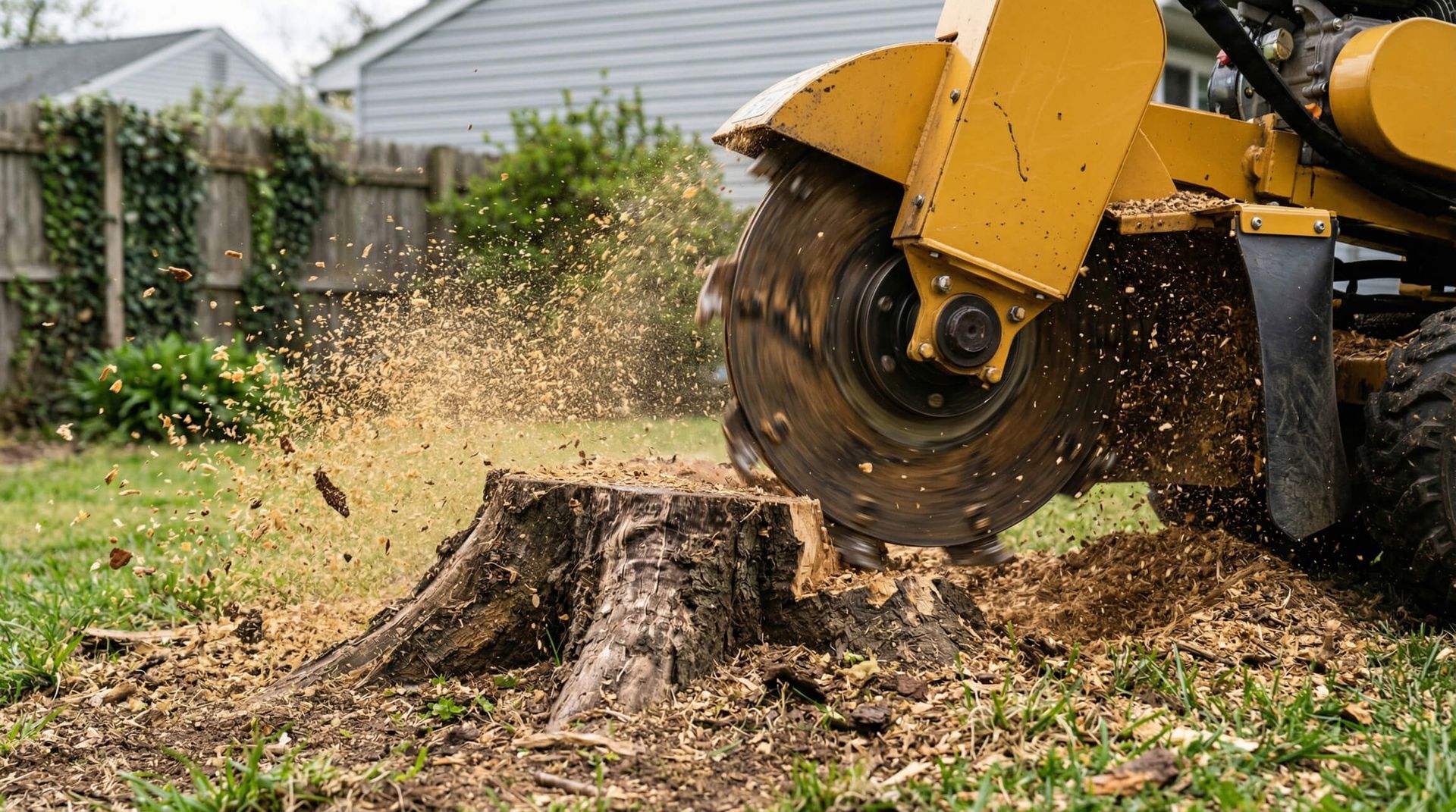
- If the fallen tree left a stump, schedule that removal before it becomes a tripping hazard or a pest habitat. Stumps in Southern Indiana can attract carpenter ants and certain wood-boring beetles relatively quickly.
- Walk your property for secondary hazards: branches that are hanging but not yet fallen, leaning trees that the same storm may have destabilized, and root damage from nearby trees that did not fall but may have been compromised.
At Trees Unlimited / SYS Enterprises, we provide Emergency Tree Removal Services across Charlestown, Southern Indiana, and Metro Louisville. When you call, you'll speak directly with someone who can dispatch a crew equipped for your specific emergency. If a tree has fallen, is damaged, or poses an immediate hazard, call 502-724-6950 and describe your situation. We'll respond as quickly as possible.
Frequently Asked Questions
How quickly can a crew respond to an emergency tree removal?
Response time depends on crew availability, distance, and whether a major weather event has produced multiple simultaneous calls across the service area. In normal conditions, a reputable local tree service can typically respond within a few hours. After a significant storm event in Southern Indiana or Louisville that has brought down multiple trees across the area, response times extend as crews prioritize the most dangerous situations first. Calling immediately and giving an accurate description of the hazard level helps ensure you are appropriately prioritized.
What if the tree is on a power line?
Call your utility company immediately and in parallel with calling a tree service. Do not wait for one to resolve before contacting the other. A tree service cannot work on or near an energized line; the utility company must de-energize and clear the line before tree work can proceed. In Indiana, contact Duke Energy; in the Louisville area, contact LG&E or Kentucky Utilities. Treat all downed lines as live until the utility company has confirmed otherwise, and keep everyone away from the area.
Is emergency tree removal covered by homeowner's insurance?
It depends on your policy and the circumstances. Most homeowner's policies cover damage to structures caused by a fallen tree and may cover the cost of removing the tree from the structure. Removal of a tree that fell in the yard without hitting a structure is often not covered, or is covered only up to a limited amount. Document everything before removal begins and contact your insurer to initiate the claim before authorizing significant work; some insurers want the opportunity to send an adjuster before debris is removed.
Can I stay in my house while emergency tree removal is happening?
If the tree has not contacted your house and the work zone is in the yard, staying inside is generally fine. If the tree has come down on the house, stay out of the affected area and follow the crew's guidance about which parts of the house are safe to occupy during removal. In situations where the structural integrity of any part of the house is uncertain, erring toward staying outside or in an unaffected part of the property is the safer choice.
What is the difference between emergency tree removal and regular tree removal?
Regular tree removal is scheduled work on a tree that poses no immediate hazard: removal of a dead tree, a tree that is too close to a structure, or a tree being taken down for landscaping purposes. Emergency tree removal addresses an active hazard: a tree that has fallen on or is actively threatening a structure, a vehicle, a utility line, or access to a property. Emergency removal typically commands a premium over standard removal because it requires immediate response, after-hours availability, and often more complex rigging and hazard management than a routine scheduled removal.
You might also like