Why Proper Equipment Matters for Tree Removal
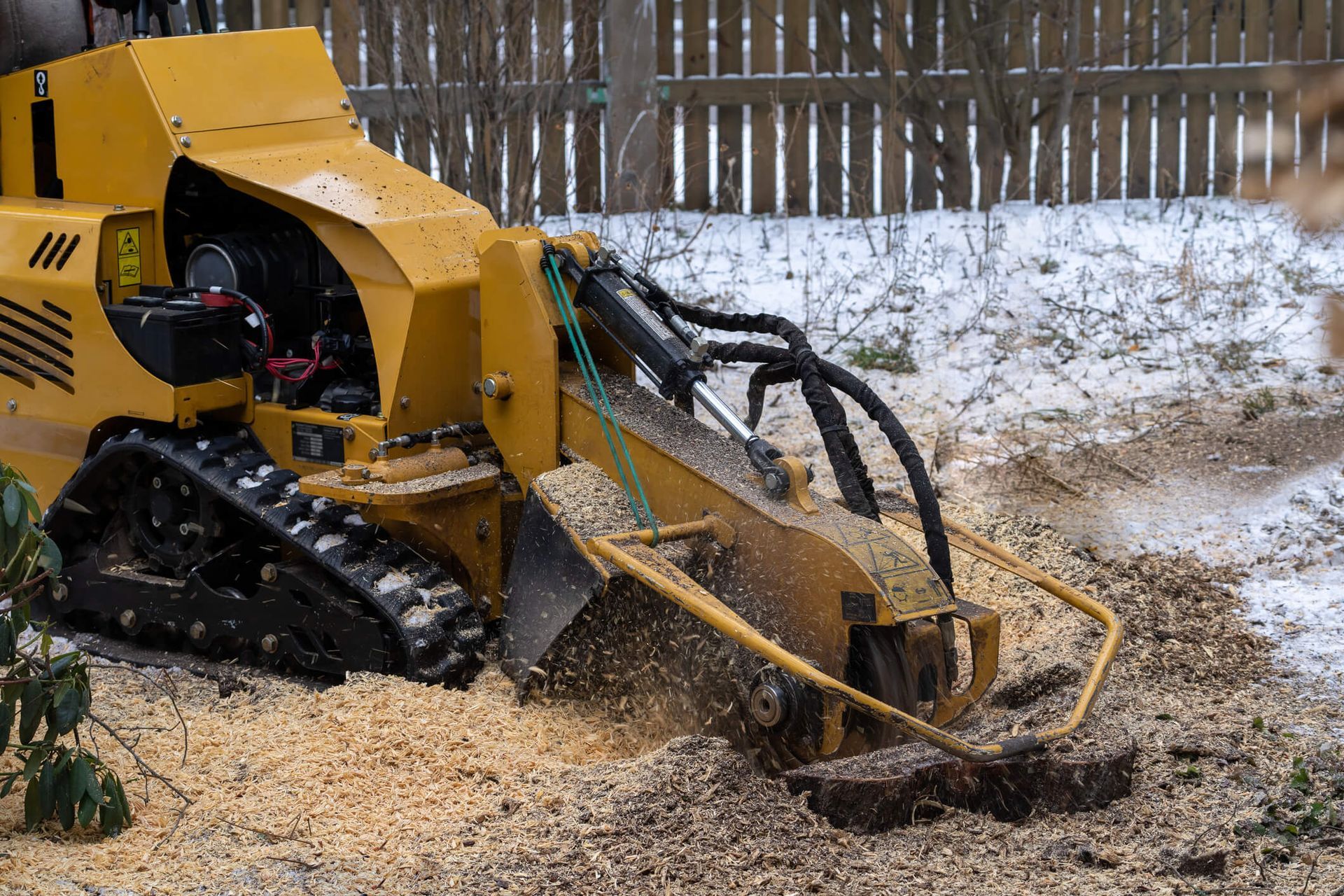
Most articles about tree removal equipment spend their time listing the tools: chainsaws, ropes, helmets, wood chippers. That's accurate as far as it goes, but it doesn't really explain why the equipment matters, which is the question worth answering if you want to understand what separates a professional tree removal from a dangerous one.
The real reason equipment matters for tree removal isn't a general safety principle. It's physics. Specifically, it's the problem of controlling extremely heavy objects in a process where gravity does most of the work, and mistakes aren't recoverable.
The Weight Problem Nobody Talks About
A mature oak or maple tree in Southern Indiana or the Metro Louisville area can easily reach 60 to 80 feet in height with a trunk diameter of 24 inches or more. A tree like that doesn't weigh a few hundred pounds. It weighs several thousand pounds, and that weight is distributed through a canopy that extends 30 to 40 feet in multiple directions from the trunk.
When a tree is felled, or a large limb is removed, that weight has to go somewhere. The job of professional tree removal equipment is to control exactly where it goes, at what speed, and in what sequence. Every piece of gear in a professional crew's toolkit exists to solve one specific part of that weight-control problem. Understanding what each tool actually does clarifies why substituting cheaper or inadequate alternatives not only produces a worse result but also removes the control mechanisms that prevent catastrophic outcomes.
Cutting Equipment: Precision Under Load
A professional-grade chainsaw is not simply a more powerful version of a consumer chainsaw. The bar length, chain pitch, and motor specifications are matched to the diameter and wood density of the tree being cut. Using a saw that's undersized for the job creates a specific problem: the saw can become pinched or bound in the cut, particularly when a tree under tension begins to move as the cut progresses. A bound saw in a tree under load is one of the more dangerous situations in tree work, and it's significantly more likely when the cutting equipment isn't matched to the task.
The cut sequence itself, the direction, depth, and angle of each pass, is also dictated by the physics of where the tree's weight is and how gravity will pull it as the wood is removed. An experienced crew with proper equipment works through a cut sequence that precisely controls the direction of fall. An under-equipped crew using a consumer saw is making the same cuts under the same conditions, but with less control over the outcome at each step.
Rigging Systems: Managing What Gravity Will Do
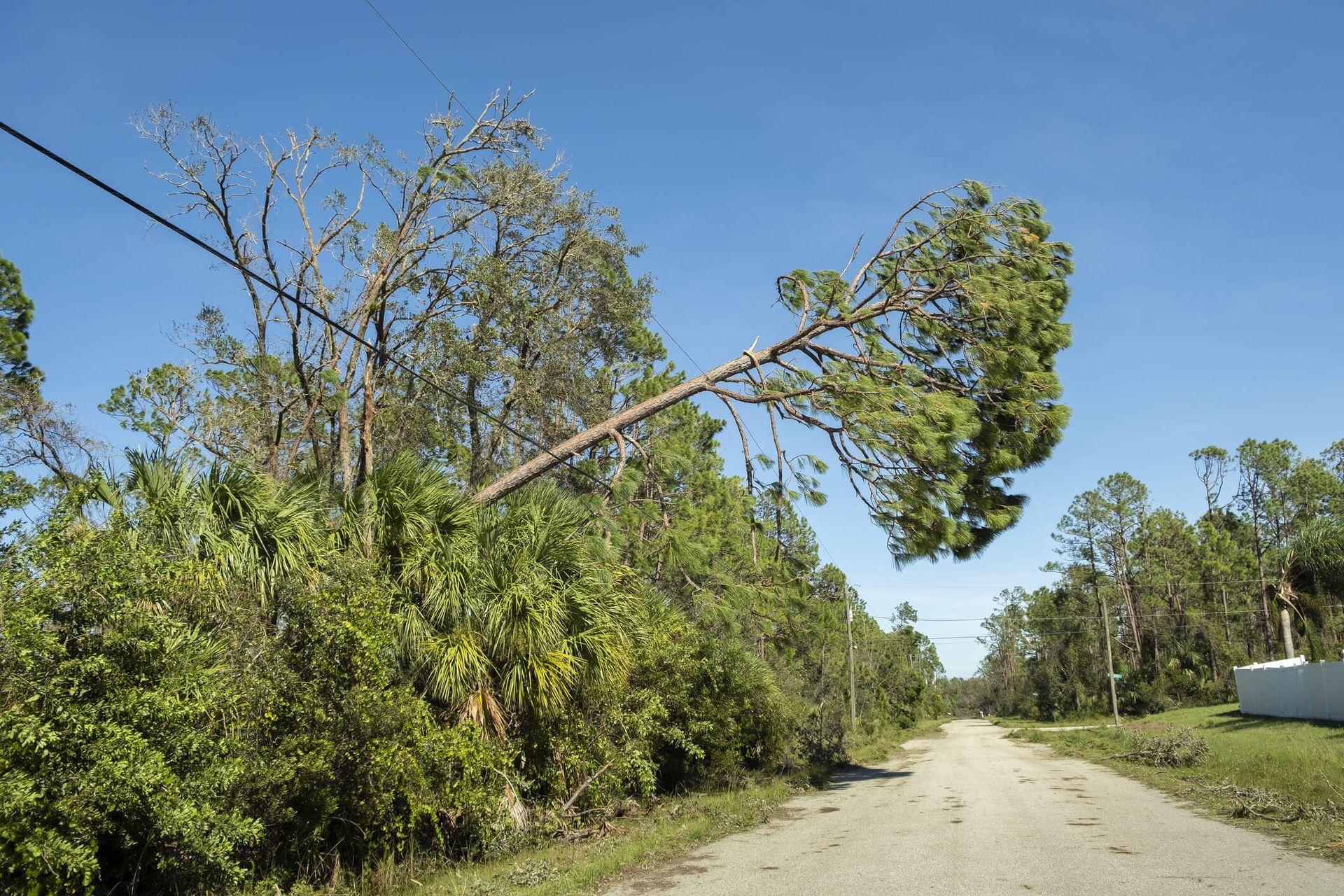
For trees near structures, power lines, or other obstacles, the standard felling approach, where the tree comes down in one controlled direction, isn't always an option. In those situations, professional crews use rigging systems: a combination of ropes, pulleys, friction devices, and rigging points established in the tree's structure to lower sections of the tree in a controlled sequence rather than letting them fall.
Rigging is where equipment quality directly translates to property protection, and where the difference between professional gear and improvised alternatives is most consequential. The ropes used in professional rigging are rated to specific working load limits based on the weight of the sections being lowered. The hardware, including blocks, carabiners, and friction devices, is rated similarly. A 400-pound limb being lowered 30 feet places a dynamic load on that rigging system that is considerably higher than the static weight of the limb itself, due to the forces generated when the system arrests the limb's descent.
Using hardware or rope that isn't rated for those dynamic loads doesn't just risk dropping the limb. It risks the sudden failure of a loaded system near people, structures, and utility lines, with no warning and no margin for error.
Aerial Access: Working at Height Safely
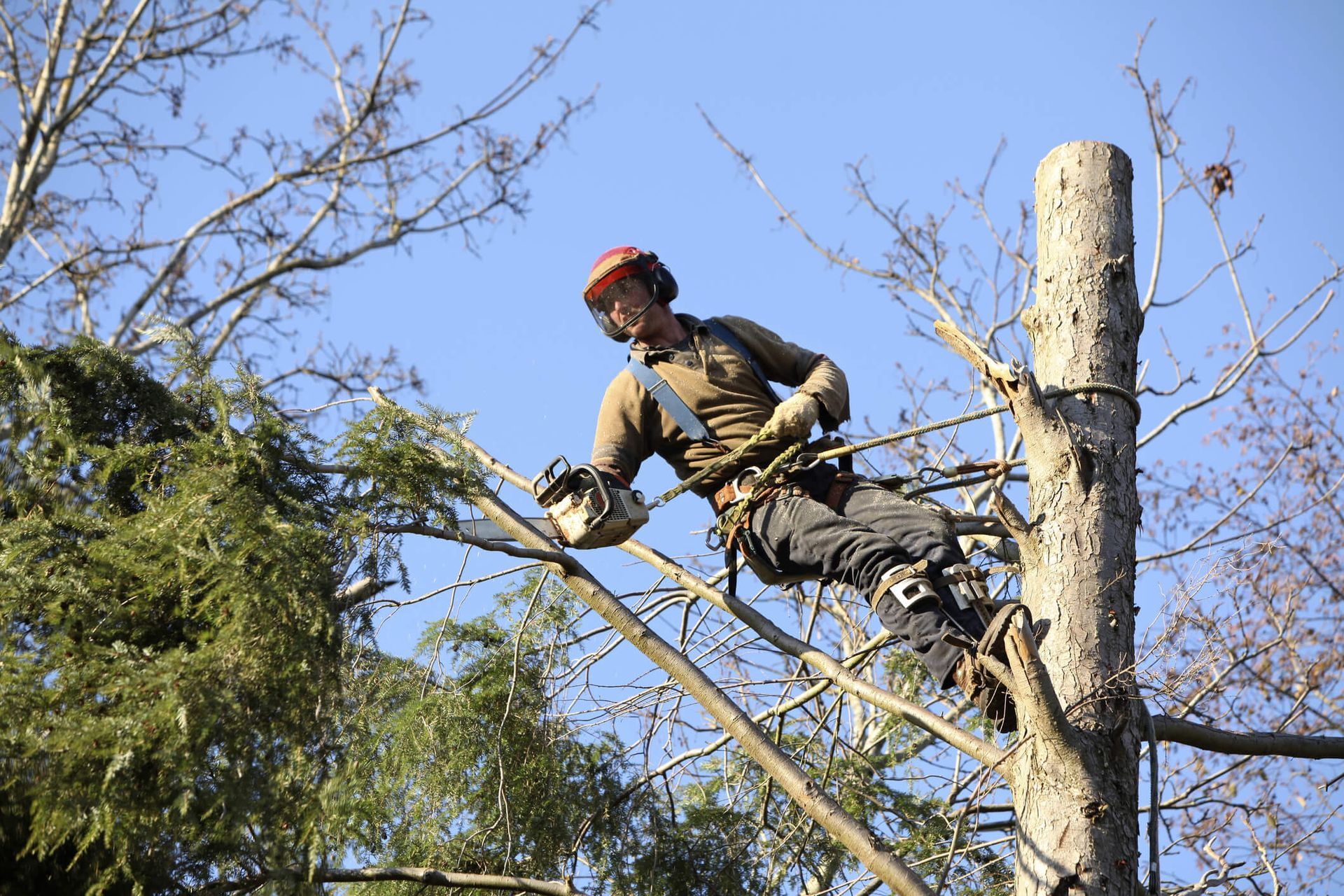
Reaching the upper sections of a large tree to make cuts or establish rigging points requires either climbing or aerial lift equipment, and each approach requires its own specialized gear. Professional climbers use arborist-rated saddles, ropes, and ascenders that are tested and certified for the loads involved in aerial tree work. Aerial lifts, including bucket trucks, allow crew members to work on large, structurally complex trees with stable footing and clear sight lines that climbing alone doesn't always provide.
The alternative to proper aerial access, which is cutting from a ladder or from the ground at an awkward angle, changes both where cuts can be made and how the tree responds to them. A cut made from below at the wrong angle, because the cutter couldn't reach the proper position, doesn't just produce a worse outcome aesthetically; it changes the physics of how the tree or limb will move as the cut progresses.
Personal Protective Equipment: When Everything Else Goes Right
Even with proper cutting equipment, proper rigging, and proper aerial access, tree removal involves working near loaded saws, falling debris, and objects under significant tension. Personal protective equipment, including chainsaw chaps, helmets with face shields, hearing protection, and cut-resistant gloves, exists for situations where a job that's going correctly produces an unexpected outcome.
Chainsaw chaps deserve specific mention because they're perhaps the most consequential piece of personal protective equipment in tree work. Modern chainsaw chaps contain layers of cut-resistant material that, when contacted by a moving chain, jam the sprocket and stop the saw before a deep cut can occur. They are not infallible, but they have prevented injuries that would otherwise have been catastrophic. A crew working without them is removing one of the last lines of protection in a job where the stakes of a cutting mistake are extremely high.

What 27 Years of Equipment Standards Look Like in Practice
At SYS Enterprises, 27 years of tree work across Southern Indiana and Metro Louisville means our equipment standards aren't theoretical. Every piece of gear we bring to a job is matched to the specific demands of that job, maintained to the standards that keep it performing correctly under load, and operated by crew members who understand not just how to use it but why each piece matters for that particular tree and site.
That matters most when you're dealing with trees close to your house, your fence line, your outbuildings, or the power line that runs through your yard, which describes the majority of the residential and commercial tree work we handle in Charlestown, Clarksville, Jeffersonville, and the surrounding area.
If you have a tree that needs to come down and you want it handled by a crew that takes the equipment side of the job seriously, our tree removal service page covers what we handle and how to get in touch. For trees that have already come down or that are in immediate danger of doing so, our emergency tree removal service is available for situations that can't wait. Call us at (502) 724-6950 to discuss your situation and get a quote.
For technical standards on arborist equipment and rigging practices, the International Society of Arboriculture publishes rigging and equipment best management practices that represent the industry standard for professional tree care.
Frequently Asked Questions: Tree Removal Equipment
Why can't I just rent a chainsaw and remove the tree myself?
The chainsaw is only one tool in a professional tree removal setup, and it's the part of the job that's most visible from the outside. The rigging systems that control where sections fall, the aerial access equipment that allows cuts to be made from the correct position, and the personal protective equipment that backstops everything else are what make a tree removal controllable rather than simply possible. Removing a large tree without that full system doesn't make the job harder; it removes the controls that make the outcome predictable.
What's the most important piece of equipment in tree removal?
It depends on the specific job, which is itself part of the answer. A tree being felled in an open field has very different equipment priorities than a tree being removed section by section next to a house. The most important piece of equipment is whatever manages the specific risk that the tree and the site present. For trees near structures, rigging equipment is often the most critical element. For trees requiring aerial access, the climbing or lift equipment takes priority. The ability to assess which equipment is most critical for a given job is as important as having the equipment itself.
Does professional equipment make tree removal faster?
Yes, in most cases, though speed isn't the primary reason it matters. Professional equipment is sized and maintained to perform correctly under the loads involved in real tree work, which means less time spent managing equipment problems and more time executing the job. The bigger efficiency gain is that proper rigging and aerial access allow crews to work in sequence rather than having to stop and problem-solve when a cut doesn't behave as expected because the equipment wasn't adequate for the situation.
How do I know if a tree service has proper equipment?
A few observable indicators: does the crew have a chipper for debris, or do they just pile material on your property? Do they carry rigging equipment for trees near structures, or do they only fell trees in open areas? Do crew members wear chainsaw chaps and helmets while operating saws? Are the trucks and equipment well-maintained? A crew that corners on equipment maintenance or personal protective equipment is generally making the same compromises elsewhere.
You might also like