What to Do After Stump Grinding
Every homeowner asks the same question about ten minutes after the grinder shuts off: now what? You're looking at a mound of wood chips where a stump used to be, and every article you find online gives you the same six bullet points in a different order. What actually helps is knowing what to do this week versus what to leave alone until fall, because most of the mistakes we see happen when people either rush the yard back to normal too fast or ignore it for six months and let a problem set in.
We've ground stumps across Southern Indiana and Metro Louisville for over 27 years, and the aftercare questions are almost always the same: what do I do with the pile, when can I plant grass, and is the stump actually gone. Here's the honest, week-by-week answer.
The First 24 Hours: What You're Actually Looking At
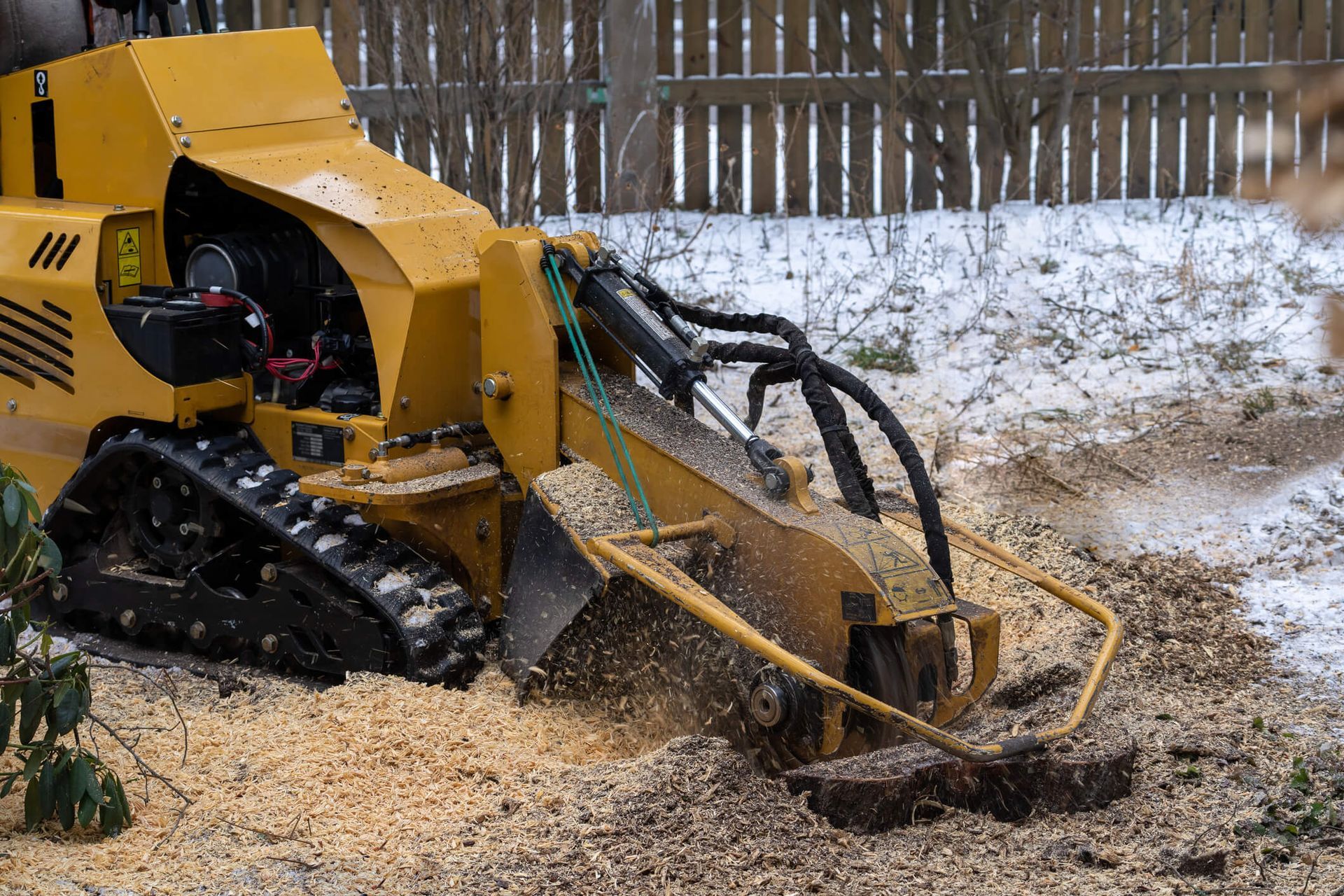
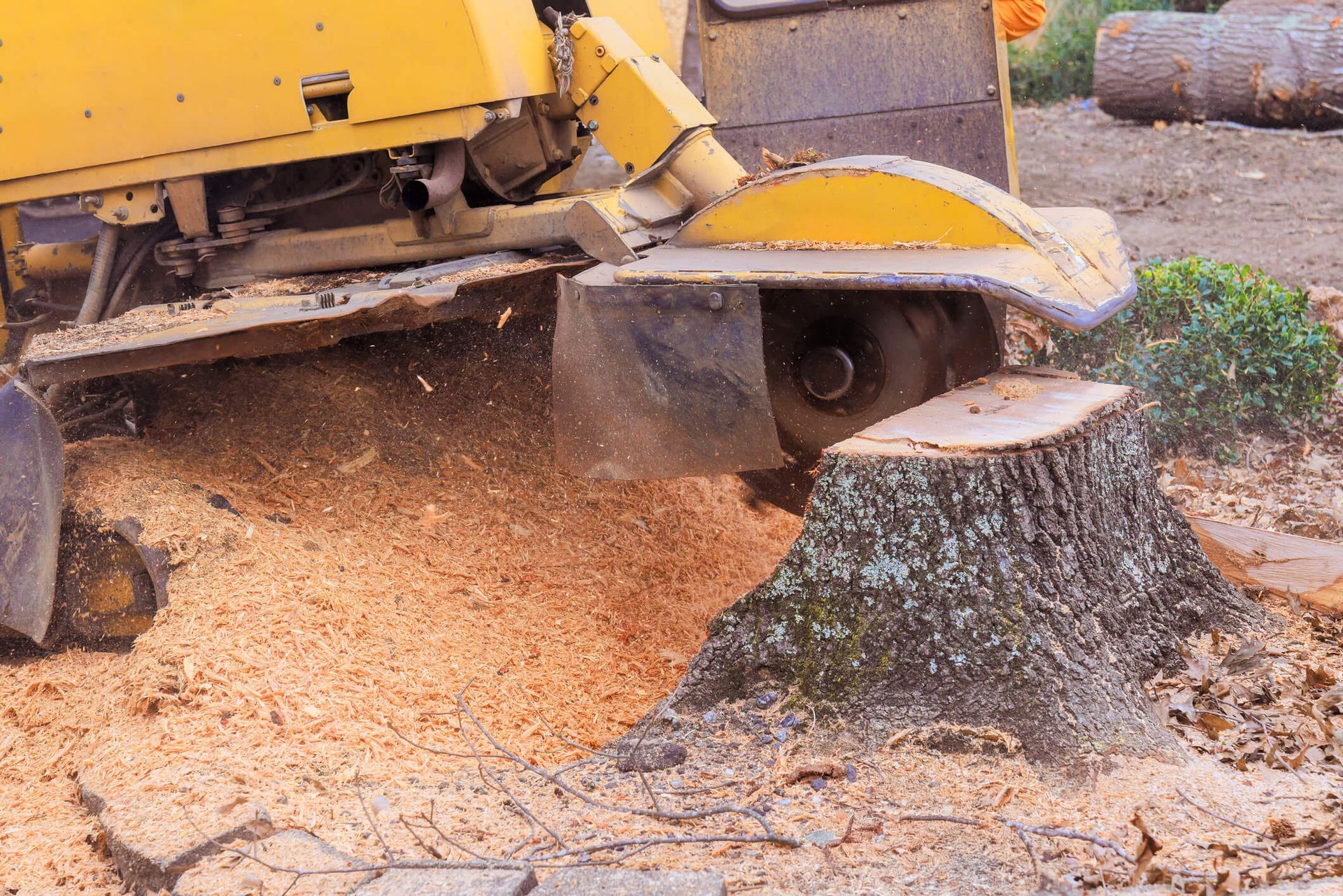
After grinding, you're left with two things: a mound of loose wood chips and soil, and a shallow depression where the stump used to be, usually ground down a few inches below grade. The roots are still down there. Grinding chews up the visible stump and the top of the root flare; it doesn't excavate the root system the way full stump removal does. That's normal, and it's actually why grinding is faster, cheaper, and less disruptive to your yard than digging the whole thing out.
Don't try to do anything with the hole or the pile on day one. Wait until the area has had a chance to sit, especially if the ground was wet when we worked, since walking heavy equipment or foot traffic over a freshly ground area can create ruts that are more work to fix than the stump ever was.
Week One: Deal With the Chips, Not the Hole
The pile of grindings is mostly a mix of wood fiber and loose soil, and you have three reasonable options for it:
- Use it as mulch. Wood chips from stump grinding make perfectly good mulch for flower beds or around established trees, as long as you keep it a few inches away from the base of any trunk. This is the option most homeowners skip and shouldn't; it's free material that would otherwise get hauled to the curb.
- Fill the depression with it. If the hole is shallow, you can rake a portion of the grindings back into it as a base layer before topping with soil (more on that below).
- Have it hauled off. If you don't want chips sitting around, bag them or arrange for pickup. Most municipal yard waste programs in Southern Indiana and Kentucky accept wood chips as green waste.
What you shouldn't do is leave a tall pile sitting directly on grass for more than a week or two. It'll smother and kill the lawn underneath it, which just adds a second repair job to the one you already have.
Weeks Two to Four: Filling and Settling
Once the loose grindings are cleared or spread, backfill the depression with topsoil, not just more wood chips. Wood alone will keep compressing and decomposing under the surface, which means the ground above it keeps sinking for months. A layer of topsoil packed in on top gives you a surface that's stable enough to reseed.
Here's the part nobody mentions: expect to top off that spot more than once. As the ground wood beneath the surface continues to break down, the soil above it settles again, sometimes noticeably, six to eight weeks later. This isn't a sign anything went wrong; it's just decomposition doing what decomposition does. Plan on a second, smaller topsoil pass before you reseed for the last time.
When to Reseed: Why Timing Matters More Here Than the National Advice Suggests
Most generic guides just say "reseed a few weeks after grinding." That advice ignores where you live. Southern Indiana and Metro Louisville sit in the cool-season grass transition zone, meaning most lawns here are fescue or a fescue-bluegrass blend, and those grasses germinate best in soil temperatures between roughly 60 and 75°F, which typically lines up with early fall (September) or early spring (April), not mid-summer.
If your stump came out in July, the smarter move is to stabilize the area with topsoil and straw and hold off on seed until temperatures drop in September, rather than fighting summer heat and watering a patch of new grass through the hottest, driest stretch of the year. If it came out in October or later, spring is your window. Trying to force a lawn to fill in during peak summer heat is one of the more common reasons people end up reseeding the same spot twice.
Watch For These as the Roots Break Down
Leftover roots decompose slowly, often over one to three years depending on the tree species and root size, and that process comes with a few predictable side effects:
- Mushrooms or fungal growth. Decomposing wood is a food source for fungi, so mushrooms popping up over old roots are common and generally not a threat to the rest of your lawn. They're a symptom of decomposition, not a new problem.
- Soft or spongy ground. As roots hollow out, the ground above them can feel soft underfoot for a season or two. Keep mowers and heavy foot traffic off that spot until it firms up.
- Termites or wood-boring insects. Decaying stump material can attract termites, particularly if the remaining wood is close to your home's foundation. If the ground stump was within 20 to 30 feet of your house, it's worth a periodic look, and a call to a licensed pest control company if you notice activity.
- Sucker growth. Some species, especially fast growers like maple or willow, will try to send up new shoots from the remaining root system. These are easy to mow down or clip as they appear and don't mean the tree is "coming back" in any meaningful sense.
Do You Need to Remove the Roots Entirely?
For most homeowners, no. Grinding followed by proper backfilling and reseeding is the standard, cost-effective path, and it's what we recommend for the vast majority of residential yards. Full root excavation is really only worth the extra cost and yard disruption if you're planning to build, pour a patio, or plant something with an aggressive root system in that exact spot, since new roots can sometimes intertwine with old ones still decomposing underground. If that's your situation, it's worth discussing full removal versus grinding before the work starts rather than after. You can see how we approach that decision on our stump grinding page.
A Simple Aftercare Timeline
- Day 1: Leave the area alone; let equipment traffic settle.
- Days 2–7: Spread or remove the wood chip pile; don't let it sit on grass.
- Weeks 2–4: Backfill with topsoil; expect some settling.
- 6–8 weeks later: Top off any low spots as the ground continues to settle.
- Next planting window (fall or spring): Reseed once soil temperatures are in the right range for your grass type.
- Ongoing (1–3 years): Watch for mushrooms, soft ground, or sucker growth as roots finish decomposing; it's normal.
When It's Time for Professional Help
Most of this is homeowner-manageable. Where we hear from people again is when a stump was left partially exposed, when the pile of roots is bigger than expected, or when a second tree nearby is showing the same warning signs that led to the first removal. If any of that sounds familiar, our guide on warning signs a tree may be a danger to your home is worth a look, and our stump removal safety tips post covers the ground-level hazards worth knowing about before you start digging around an old root system yourself.
If you're weighing grinding against full removal for a stump that hasn't come out yet, or you want a crew that's done this across Southern Indiana and Metro Louisville for decades to just handle it, SYS Enterprises offers stump grinding services in Charlestown, IN and the surrounding area. Call (502) 724-6950 for a quote.
Frequently Asked Questions
What do I do with the wood chips from stump grinding?
Use them as mulch in flower beds, rake a portion back into the hole as a base layer before topsoil, or arrange for yard waste pickup. Just don't leave a thick pile sitting on live grass.
How long before grass grows back after stump grinding?
If you reseed at the right time of year for your grass type, most lawns fill in within four to six weeks of germination. The bigger factor is timing the reseeding to the correct season rather than rushing it right after grinding.
Will the stump grow back after grinding?
The visible stump won't return, but some species can send up small root suckers for a season or two. These are cosmetic and easy to mow or clip; they don't mean the tree is regenerating.
Do I need to remove the roots after stump grinding?
Not for typical lawn use. Roots decompose naturally over one to three years. Full excavation is only worth it if you're building or planting something with aggressive roots in that exact spot.
How long does it take for the ground to settle after stump grinding?
Expect the backfilled area to settle further six to eight weeks after your first topsoil fill, sometimes more than once, as the buried wood continues to decompose underground.
You might also like