Tree Stump Removal Safety: Key Tips Every Homeowner Should Follow
Tree stump removal is safest when homeowners follow proven procedures, use the right equipment, maintain proper clearance, and understand the risks involved. Whether dealing with single tree stumps or multiple trees across a lot, attention to detail matters. Wearing appropriate gear, such as boots, and staying aware of the edge of the work area helps reduce accidents. This work is not suited for just anyone, as hidden hazards, roots, debris, and other unexpected things can quickly turn routine tasks into dangerous situations without the proper knowledge and preparation.
At SYS Enterprises, we approach every stump removal project with safety, planning, and experience at the forefront. We evaluate the area for nearby trees, apply safe methods when chemicals are involved, and rely on a trained arborist to handle complex conditions. We understand that many small things—such as ground clearance, tool placement, and proper spacing—make a big difference. By focusing on these critical factors, we protect people, property, and the surrounding environment from unnecessary risk while delivering reliable, professional results.
Stump Removal Is a High-Risk Task That Requires Planning
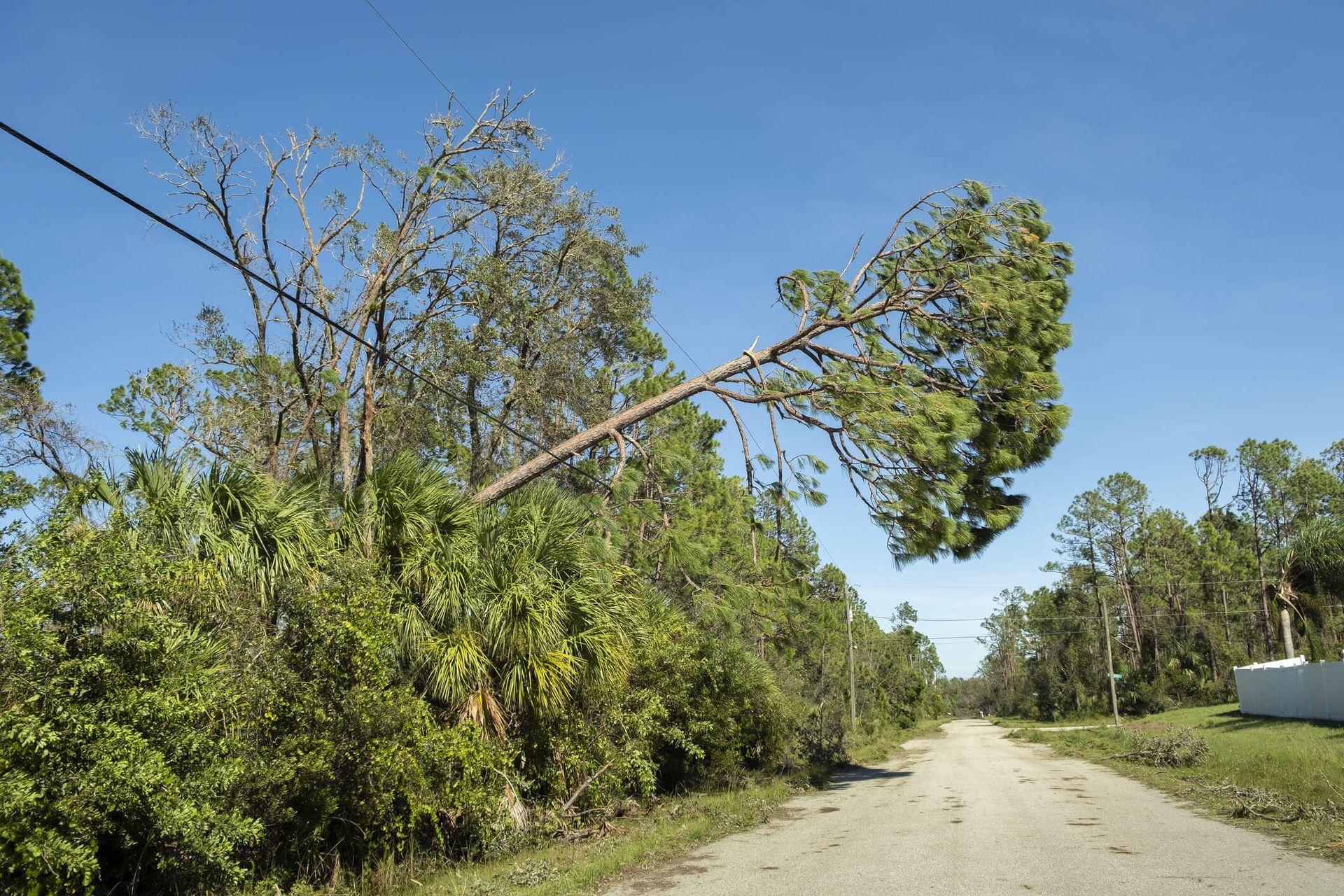
Tree stump removal may look like a simple job, but it poses significant risks when handled without proper preparation. A tree stump left in the ground involves roots, buried debris, soil instability, and sometimes hidden hazards like pipes or power line connections beneath the surface. The bottom of the stump and the surrounding areas can conceal issues that affect not only one place, but all sides of the yard. Nearby branches, remaining trees, and uneven ground matter just as much as what is visible, and overlooking these details can put homeowners and others at risk.
We always stress that planning the work area is just as important as the removal itself. A clear plan allows everyone involved to understand the steps, tools, and safety precautions required for the situation, including how service access, sight lines, and clearance will be managed. Evaluating the site from every side helps identify branches, obstacles, and affected areas before work begins. Rushing into stump grinding or manual removal without proper assessment can lead to property damage, personal injury, or long-term landscaping issues, which is why careful preparation matters at every stage of the process.
Property Assessment Protects Structures, Utilities, And Landscaping
Before any stump removal begins, assessing the property is critical. Tree stumps may sit close to doors, structures, garden beds, or underground utilities. We inspect the area for pipes, power lines, irrigation systems, and other obstacles that could be damaged during grinding or digging.
Roots often extend far beyond what is visible at ground level. These roots can impact nearby plants, grass, and landscaping features. We also consider the proximity to fences, sidewalks, and neighboring lots. Proper inspection allows us to determine the safest method, whether stump grinding, manual techniques, or professional tree removal services.
The Right Equipment Reduces Accidents And Improves Control
Using proper equipment is one of the most essential safety tips for stump removal. Stump grinders, chainsaws, shovels, axes, and other power tools must be suited to the size and condition of the tree stump. Using the wrong machine or poorly maintained equipment increases the likelihood of cuts, debris kickback, and loss of control.
We emphasize that homeowners should never improvise with tools that are not designed for stump grinding. A stump grinder, for example, provides controlled grinding at ground level, while chainsaws are better suited for cutting wood above the surface. Each piece of equipment has a specific application, and understanding that difference protects both hands and health.
Protective Safety Gear Is Essential For Everyone On Site
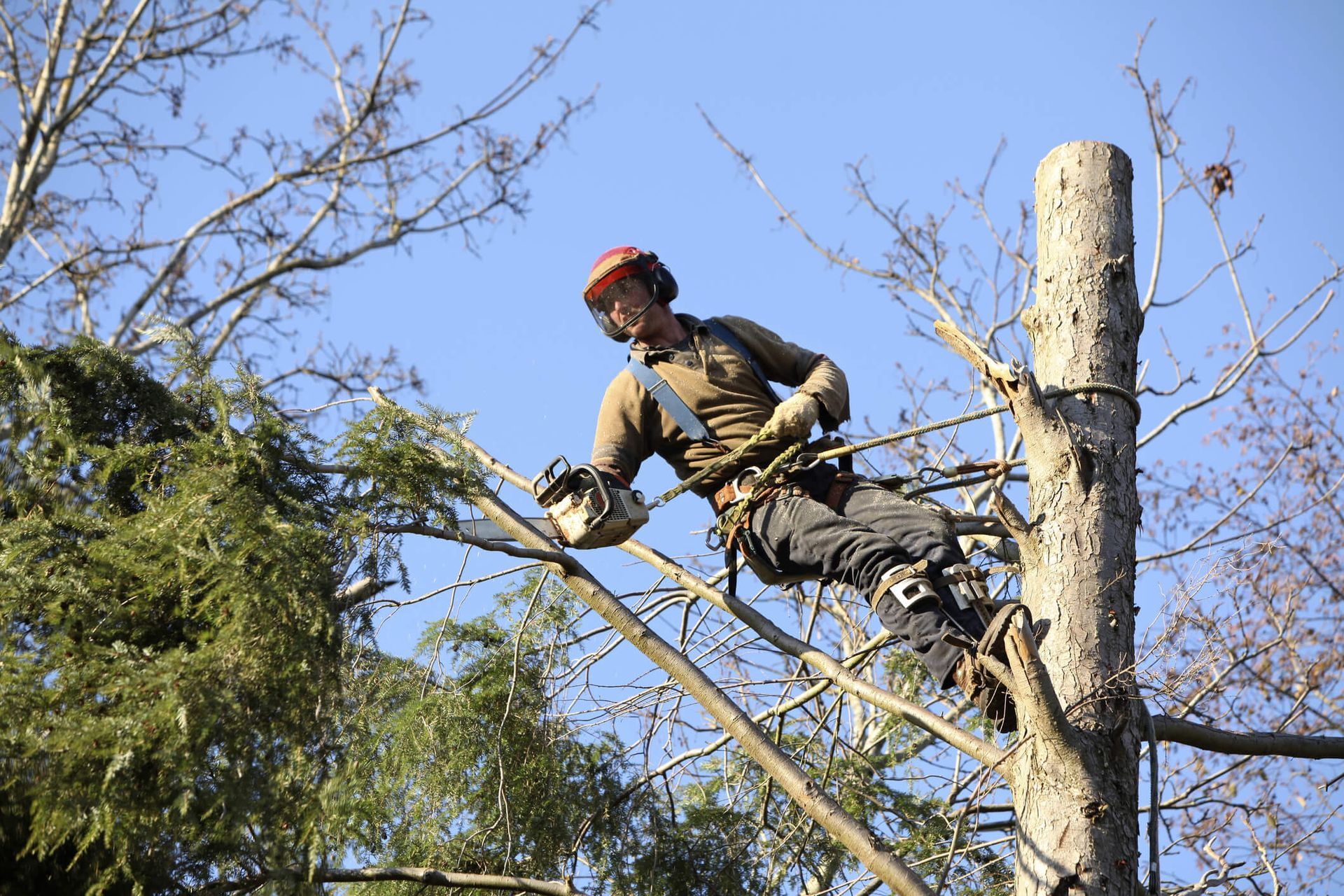
Personal protective gear is non-negotiable during stump removal. We require gloves, goggles, eye protection, hearing protection, and protective clothing for every member of our team. Safety gear shields against flying wood, rocks, sawdust, and debris that can cause serious injuries.
Homeowners often underestimate how far debris can travel during grinding. Maintaining distance and ensuring bystanders, children, pets, and family members are kept well away from the work area is essential. Wearing proper gear is not just advice—it is a core guideline for professionals and homeowners alike.
Experience And Expertise Make A Critical Difference
Experience matters in stump removal. Arborists and trained professionals understand how root systems behave, how soil reacts to grinding, and how to stabilize equipment on uneven ground. Without this expertise, even one wrong cut or misjudged angle can cause a machine to shift or damage nearby property.
At SYS Enterprises, our experience enables us to choose the safest approach for each stump, taking into account size, wood hardness, root depth, and environmental factors. This expertise reduces effort, controls hazards, and ensures long-term stability of the surrounding ground.
Manual Removal Techniques Carry Increased Physical Risk
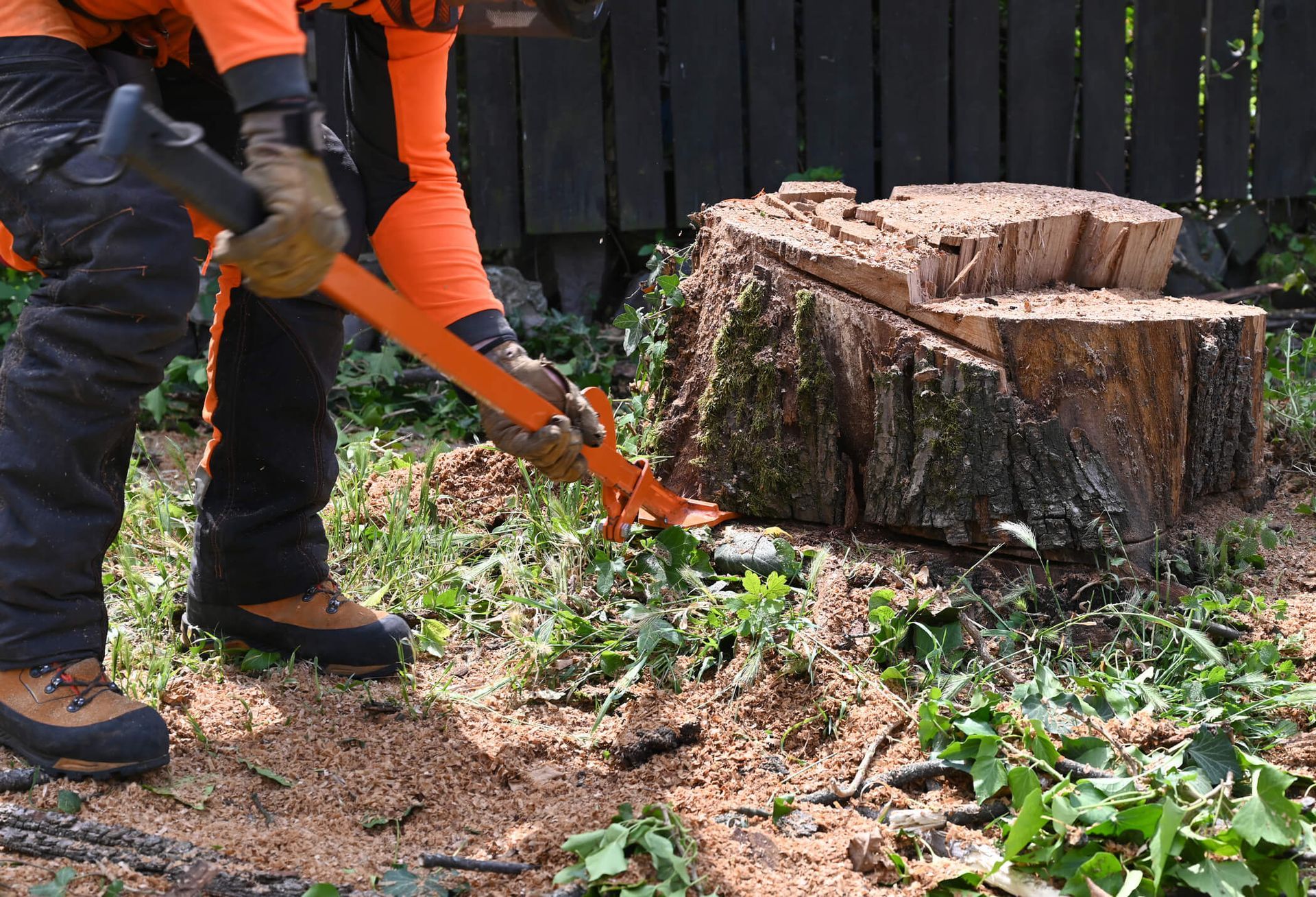
Manual stump removal using a shovel, axe, and chainsaw is still an option in some situations, but it carries higher physical risk. Digging around roots requires strength, endurance, and careful technique to avoid muscle strain, cuts, or accidental tool contact.
We caution homeowners that manual methods demand constant attention and frequent breaks. Fatigue increases the risk of accidents, especially when handling sharp tools or heavy wood. Proper hand placement, controlled movements, and awareness of surroundings are essential when choosing this method.
Stump Grinding Offers Efficiency With Proper Supervision
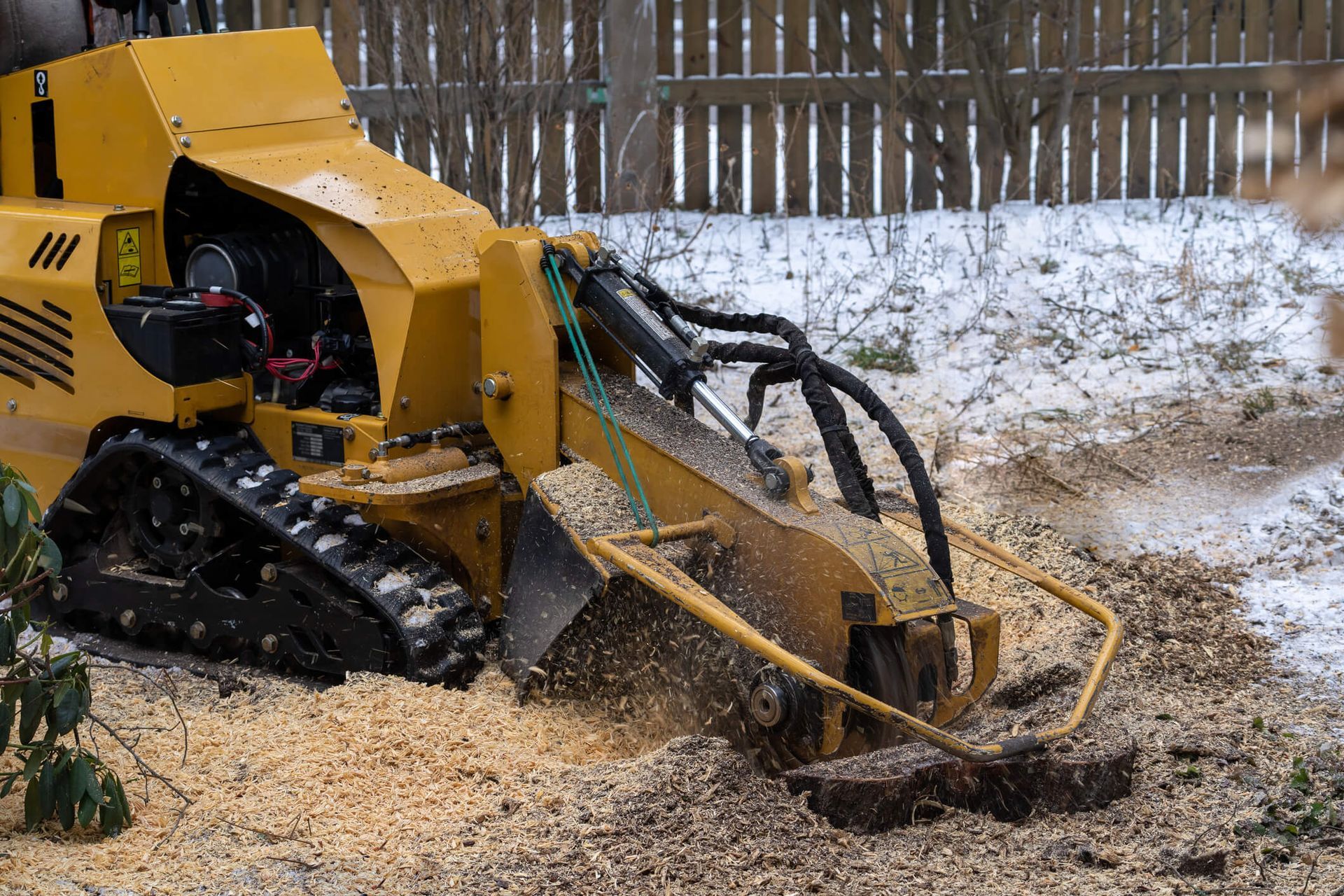
Stump grinding is one of the most efficient ways to remove tree stumps, and professional stump grinding services ensure the process is handled correctly from start to finish. A stump grinder is a powerful machine capable of breaking down wood below ground level, reducing the risk of regrowth, pests, and long-term soil disruption when operated by trained professionals.
However, grinder operation requires training, stability, and supervision. Improper use can cause rocks or debris to become airborne and create safety hazards. Through our stump grinding services, we always ensure the grinder is positioned correctly, the area is cleared, and protective gear is worn at all times. Ongoing supervision ensures that established procedures are followed and that adjustments are made immediately if site conditions change.
Hidden Hazards Often Exist Below Ground Level
One of the most overlooked dangers in stump removal is what lies beneath the surface. Pipes, electrical lines, and utility connections may run through the root system. Striking these can cause severe damage, costly repairs, or dangerous situations.
We recommend homeowners consult local resources and request utility markings before starting any stump removal project. This precaution protects everyone involved and prevents damage that could affect the entire site.
Environmental Awareness Supports Responsible Disposal
Tree stump removal creates waste, including sawdust, wood chips, and debris, and understanding the environmental impact of stump removal and grinding is an important part of responsible work. Proper disposal reduces unnecessary waste and helps protect surrounding soil and plant life. We evaluate disposal options such as mulch reuse, soil mixing, or waste removal based on environmental impact, site conditions, and homeowner needs to ensure the process remains both effective and environmentally responsible.
Awareness of wildlife, insects, termites, and pests is also essential when considering the environmental impact of stump removal and grinding. Disturbing a stump can expose habitats and alter local ecosystems, so careful handling minimizes environmental disruption while helping prevent infestations near the home and protecting the long-term health of the surrounding environment.
Safety Precautions Protect Children, Pets, And Bystanders
Safety extends beyond the person performing the work. Children, pets, and bystanders must be kept at a safe distance. Clear barriers, signage, and communication help control access to the work area.
We take extra care when working in residential yards, gardens, and shared spaces. Everyone on site should understand where it is safe to stand and when equipment is in operation. These precautions reduce distractions and prevent accidents.
Proper Techniques Prevent Long-Term Ground Damage
Incorrect stump removal can cause soil instability, holes, and uneven ground. These issues can create trip hazards, drainage problems, or regrowth from remaining roots. Using correct techniques ensures the ground remains level and stable after the stump is removed.
We focus on grinding to an appropriate depth, filling the area with suitable material, and restoring grass or landscaping as needed. This approach protects the property and enhances the final appearance.
Professional Services Offer The Safest Solution In Many Situations
While some homeowners consider DIY stump removal, many situations call for professional services. Large tree stumps, complex root systems, proximity to structures, or limited space significantly increase risk.
Our professional approach combines training, equipment, and supervision to handle these challenges safely. Consultation with experts provides homeowners with advice, clarity on costs, and peace of mind that the job will be done correctly.
Clear Procedures Ensure Consistent And Safe Results
Following established procedures reduces uncertainty and improves safety outcomes. Each step—from inspection and planning to grinding and disposal—plays a role in protecting people and property.
We rely on proven methods, regular equipment inspection, and team coordination to maintain control throughout the process. Consistency ensures that safety tips are applied every time, not just when conditions seem ideal.
Awareness And Training Reduce Common Stump Removal Injuries
Most stump removal injuries occur due to a lack of awareness, improper tool use, or failure to wear safety gear. Cuts, hand injuries, eye damage, and hearing loss are preventable with the proper precautions.
We prioritize ongoing training and awareness to keep our team informed about evolving techniques, machine safety, and environmental considerations. Staying informed helps us deliver reliable, up-to-date solutions for homeowners.
Choosing The Right Approach Saves Time And Costs
Selecting the correct stump removal method from the start saves time, effort, and money. A well-chosen approach minimizes rework, reduces damage, and prevents future regrowth or pest issues.
We guide homeowners through available options, explaining the benefits and risks of each. This transparency allows informed decisions that align with safety, budget, and long-term property care.
Stump Removal Safety Protects Health And Peace Of Mind
Ultimately, stump removal safety is about protecting health, preventing injuries, and maintaining control over the work environment. A thoughtful plan, proper tools, protective gear, and professional support make a meaningful difference.
At SYS Enterprises, we believe safety is not a single step—it is a process that involves preparation, awareness, and responsibility. By following proven guidelines and respecting the complexity of tree stump removal, homeowners can protect their property, their families, and themselves while achieving lasting results.
Frequently Asked Questions
- How long does tree stump removal typically take from start to finish?
Most stump removal jobs take between one and three hours, depending on stump size, root system complexity, access to the area, and the removal method used.
- Can stump removal be performed safely in bad weather or wet soil conditions?
Stump removal is safest in dry, stable conditions. Wet soil reduces equipment stability and increases slip and control risks, so we often postpone work during severe weather.
- Is a permit required for tree stump removal in residential areas?
Permit requirements vary by location. Homeowners should check local regulations, especially if the stump is near protected trees, public spaces, or utility lines.
- How soon can grass, plants, or landscaping be restored after stump removal?
Landscaping can typically be restored immediately after grinding once debris is cleared and the area is filled and appropriately leveled.
- Does stump removal affect nearby tree health or underground root systems?
When performed correctly, stump removal does not harm healthy nearby trees. Improper removal, however, can disturb shared root systems and soil structure.
- What signs indicate a tree stump is causing hidden structural or foundation issues?
Cracked pavement, uneven ground, lifting structures, or recurring moisture problems near the stump may indicate underlying root or soil movement.
- Are there noise or time-of-day restrictions homeowners should consider during stump grinding?
Many municipalities enforce noise ordinances that limit equipment use to specific hours, typically during the daytime. Checking local guidelines helps avoid violations.
- How does stump removal impact soil quality and drainage over time?
Proper stump removal improves drainage and soil stability, while improper removal can lead to settling, erosion, or water pooling.
- What preparation should homeowners complete before a professional stump removal service arrives?
Homeowners should clear access paths, remove nearby objects, secure pets, and mark known utilities to ensure a safe and efficient process.
- How can homeowners verify that a stump removal provider follows proper safety and industry standards?
Homeowners should look for experienced, trained professionals, proper insurance, safety protocols, and transparent communication about procedures and equipment.
You might also like