Your Tree Can Be a Serious Danger to Your Home When These Warning Signs Appear
At SYS Enterprises, we work with trees every day, and we’ve seen how quickly a healthy-looking tree can turn into a serious hazard when early signs go unnoticed or aren’t given proper attention. Trees add beauty, shade, and long-term value to a property, but when underlying problems develop on one side of the tree, below ground, or across a specific area of the yard, they can threaten homes, people, and surrounding structures. A lack of routine inspection is one of the most common reasons these issues escalate, putting families at unnecessary risk.
Knowing the warning signs allows homeowners to act early, reduce risks, and protect what matters most—from their house and landscape to their family’s safety. With the right attention and timely action, many problems can be addressed before they become emergencies.
Below are the 10 most important warning signs that indicate a tree may be a danger to your house. These insights are grounded in professional arborist experience, modern tree care standards, and the real-world inspections our team performs as trusted tree care professionals who understand that certain times call for expert evaluation to keep properties and people safe.
1. Visible Cracks And Splits Signal Structural Failure
Cracks and splits in the trunk or large branches are one of the clearest warning signs of structural instability and should never be ignored by a property owner. These issues often develop after a wind event, a major weather event, or prolonged stress from growth imbalance, and they serve as clear flags that something is wrong internally. When a trunk shows deep vertical cracks or split sections, the internal wood fibers supporting that portion of the tree may already be failing, creating a serious concern for anyone nearby.
From our experience as a professional tree service, cracks allow moisture, fungus, and pests to enter, accelerating decay and rot throughout the structure. This greatly increases the risk of collapse, especially when the tree is located near a house, driveway, sidewalks, landscaping, or other buildings where family members, visitors, and others regularly pass. Cracks near the base are particularly dangerous because they compromise foundation stability, leaving little margin for error and providing a clear reason for immediate assessment and action.
2. Dead Or Falling Branches Create Immediate Safety Hazards
Deadwood in a tree is never harmless. Dead branches, twigs, and limbs lose flexibility and strength, increasing the likelihood of sudden falls. This creates a direct hazard to people, vehicles, power lines, and nearby structures, especially during wind or severe weather.
We frequently find that dead branches are only one visible sign of deeper issues such as disease, pests, or an overall decline in tree health. Through professional tree services like targeted pruning and precise trimming, risks can be reduced, balance restored, and injury or property damage prevented before problems escalate.
3. Leaning Trees Indicate Root Or Soil Instability
A tree that suddenly begins leaning is a major red flag. While some trees naturally grow at an angle, a new or increasing lean often signals root damage, soil erosion, or a base failure. Construction, trenching, or changes in ground conditions can weaken root systems without obvious surface signs.
When roots lose their ability to anchor the tree, the entire structure becomes unstable. We assess lean direction, soil condition, and root integrity during inspections to determine whether corrective care, cabling, or removal is necessary for safety.
4. Mushrooms And Fungi Reveal Internal Decay
The presence of mushrooms or fungi growing near the trunk, roots, or base is one of the most reliable indicators of internal decay. Fungi break down wood from the inside, often long before exterior symptoms become obvious.
Homeowners are often surprised to learn that visible fungus often indicates advanced decay. Tree disease caused by fungi significantly weakens the tree's structure and increases the risk of failure. Early assessment by a professional arborist is critical to determine whether the tree can be preserved or if removal is the safest option.
5. Cavities And Hollow Sections Reduce Structural Strength
Cavities in trunks or large limbs reduce a tree’s ability to support its own weight. These hollow areas often result from disease, pest infestation, old injuries, or prolonged decay. While some trees can survive with limited cavities, extensive hollow sections are a serious problem.
During inspections, we evaluate the size, location, and depth of cavities to assess risk. When critical load-bearing sections are affected, the tree becomes a danger to nearby homes, yards, and surrounding areas.
6. Root Problems Threaten Foundations And Walkways
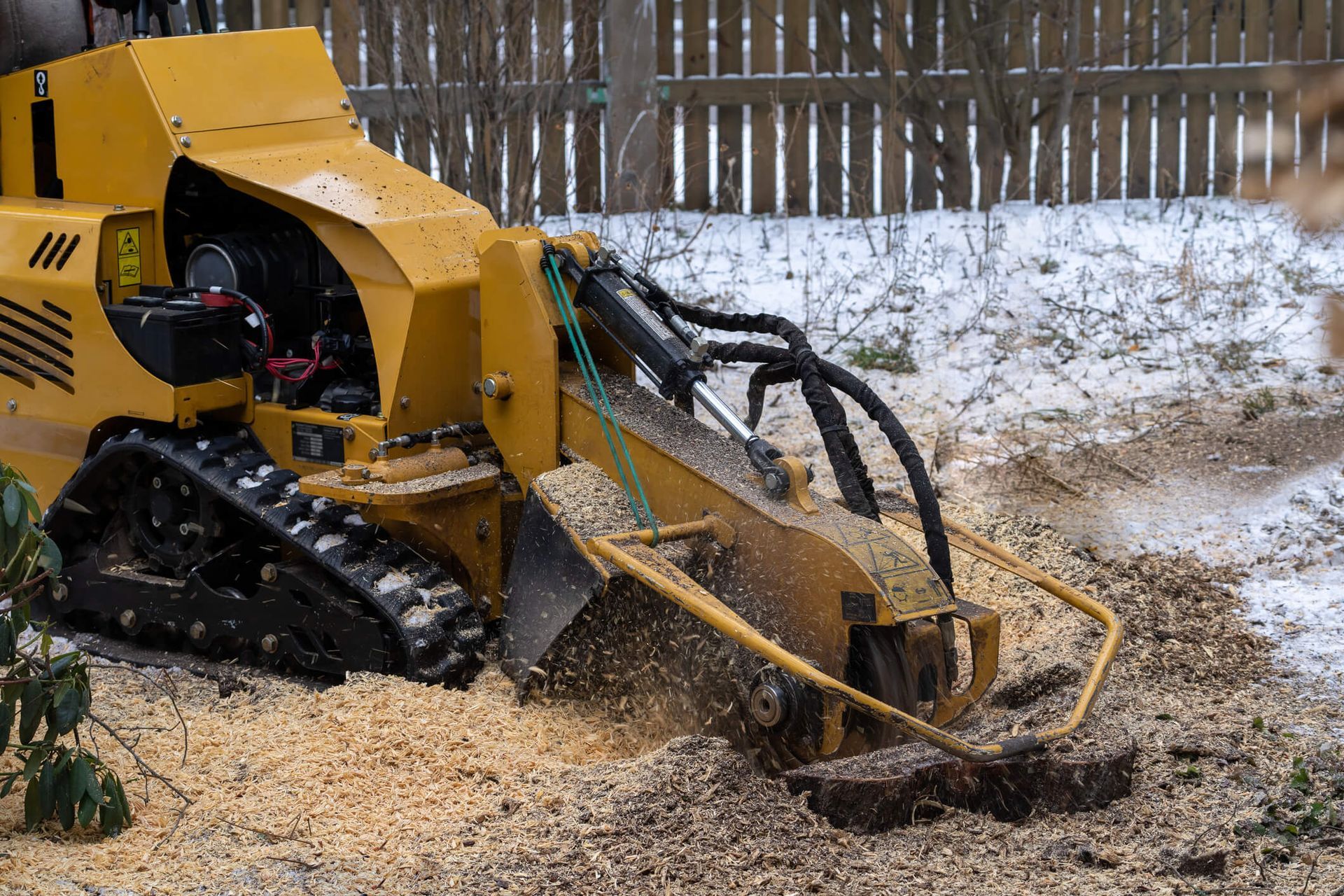
Tree roots are essential for stability, water uptake, and overall life. When roots are damaged, cut, or diseased, the tree’s health and structure suffer. Surface roots cracking sidewalks, lifting driveways, or interfering with foundations are common indicators of underlying issues. In some cases, we also provide stump grinding and removal services to safely eliminate hazards after tree removal or root excavation.
Root damage may also occur underground due to soil compaction, construction, or poor drainage. Signs include exposed roots, soil heaving, or sudden canopy decline. Root problems dramatically increase hazard potential and should never be ignored.
7. Excessive Leaf Loss And Sparse Canopy Signal Decline
Leaves provide critical insight into tree health. Excessive leaf drop, discolored leaves, thinning foliage, or sections of the canopy failing to grow are strong indicators of stress, disease, or pest infestation.
Uneven canopy growth affects shade, sunlight balance, and the tree’s ability to withstand wind. From our perspective, foliage problems are often early indicators of internal decline that require professional tree care to prevent further damage.
8. Bark Damage And Peeling Invite Disease And Pests
Bark acts as a tree’s protective layer. When bark cracks, peels, or falls away, it exposes vulnerable wood to insects, fungi, and moisture. This damage often results from mechanical injury, lawn equipment, animals, or severe weather.
Once bark integrity is compromised, decay spreads quickly. Over time, this leads to weakened structure, disease progression, and increased risk to nearby structures and people.
9. Trees Too Close To Homes Or Power Lines Increase Risk
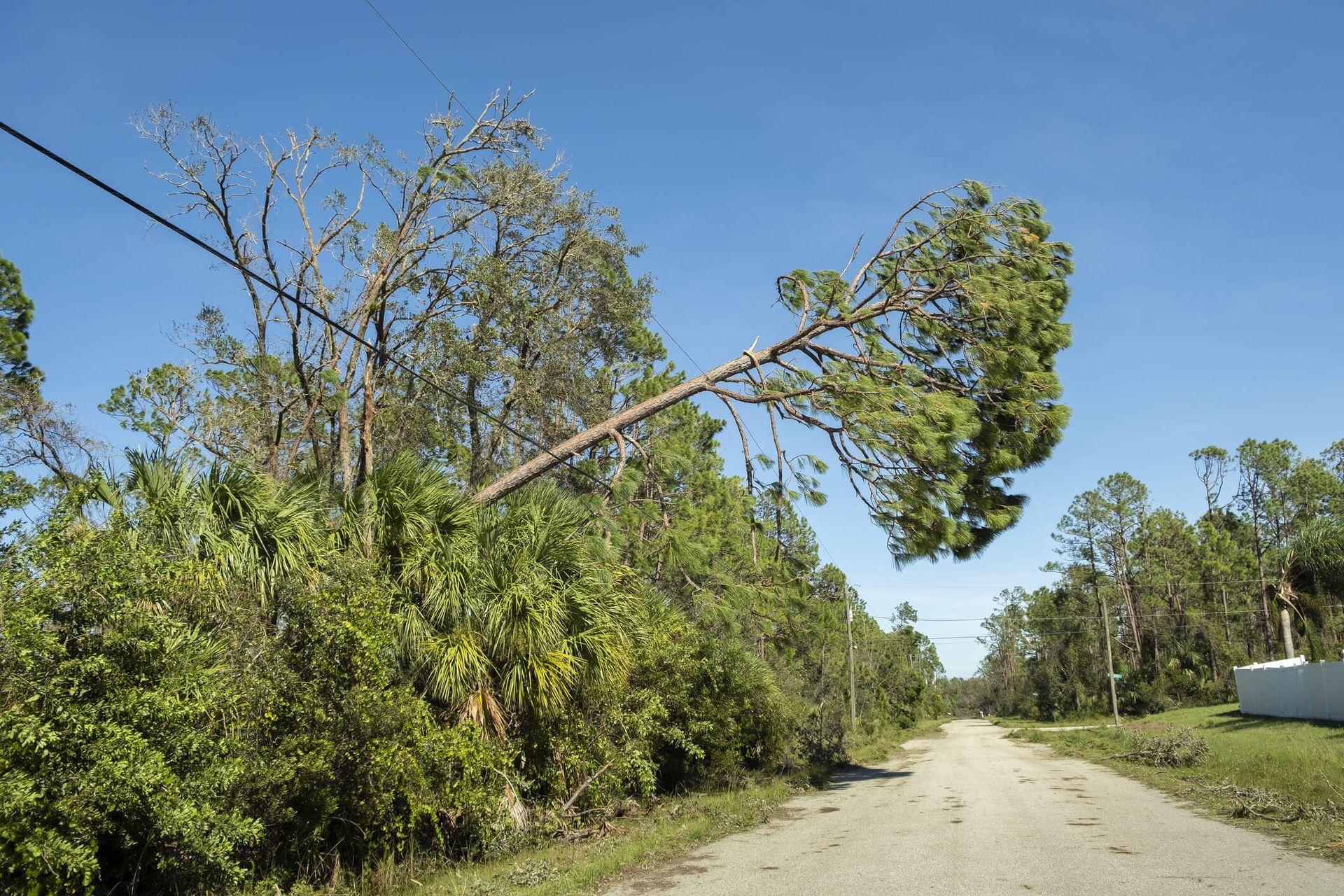
Even healthy trees can become dangerous when planted or allowed to grow too close to houses, power lines, or other structures. Overextended branches can damage roofs, siding, gutters, and utility lines, creating serious safety concerns.
We consider proximity a key factor during risk assessment. When necessary, we recommend tree removal, along with ongoing maintenance, strategic pruning, and regular inspections, to reduce hazards while preserving landscape beauty.
10. Disease And Pest Infestation Accelerate Tree Failure
Tree disease and pest infestation are among the most common causes of tree decline and failure. Indicators include unusual leaf spots, visible insects, sawdust-like debris, dieback, and poor growth. Many diseases spread internally, making early detection essential.
Ignoring infestation allows damage to compound, increasing the risk to the entire property. Professional arborists identify the specific issue and recommend targeted treatment, pruning, or removal based on condition and safety concerns.
Professional Inspections Protect Homeowners And Reduce Risk
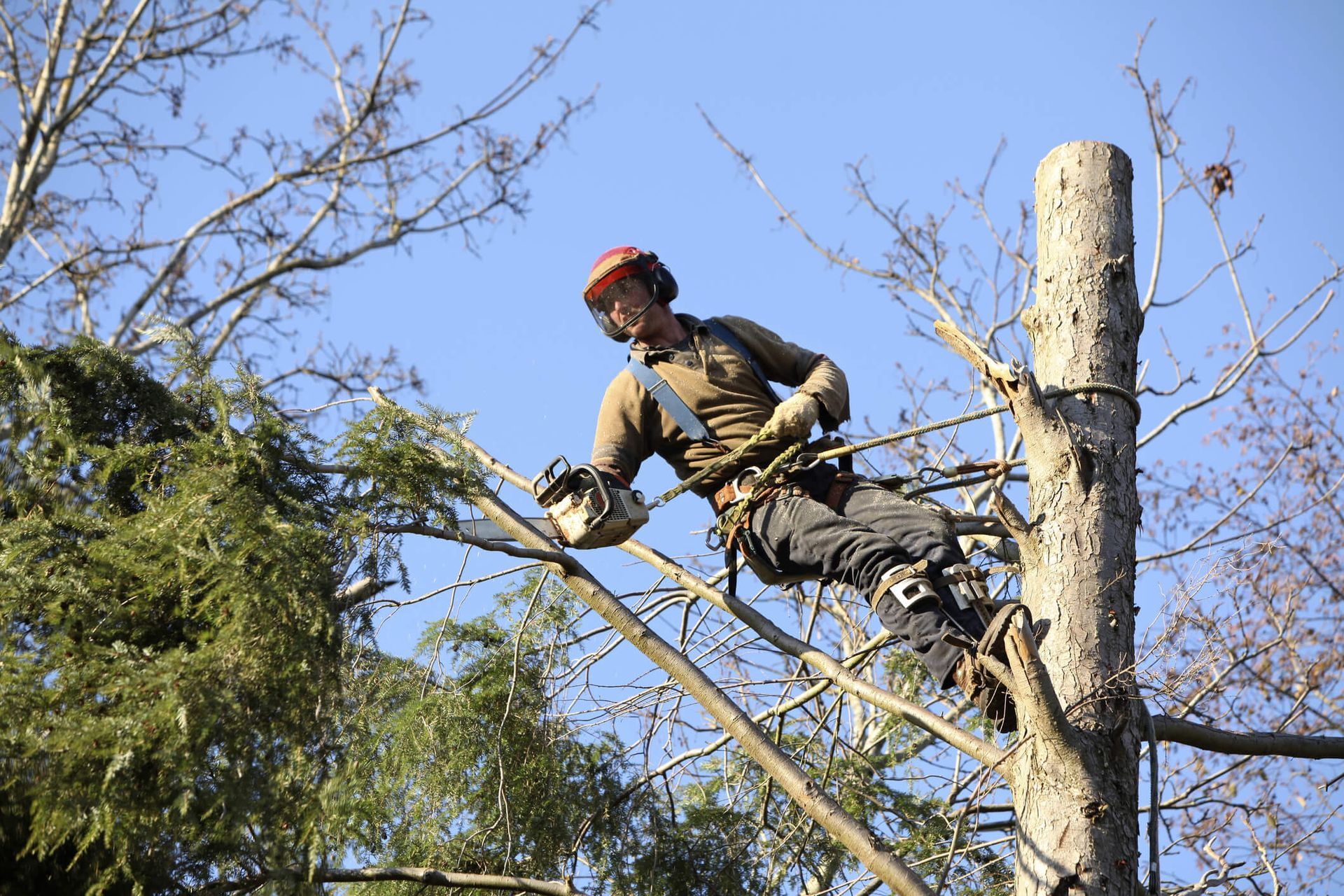
Routine inspections are one of the most effective ways to reduce risk. We at SYS Enterprises recommend assessments after severe weather, construction activity, or any noticeable change in tree condition. During inspections, we evaluate the structure, roots, trunk, canopy, and surrounding environment to identify hazards early.
Homeowners benefit from our professional experience because we understand tree behavior, growth patterns, and failure indicators that aren’t always visible to the untrained eye.
How Proper Tree Care Prevents Costly Problems
Tree care is not just about appearance—it’s about safety, prevention, and long-term health. Services such as pruning, trimming, cabling, and maintenance reduce risk while preserving the beauty and value of trees. When safety cannot be restored, removal becomes a necessary and responsible solution.
A Safer Property Starts With Awareness And Action
At SYS Enterprises, we believe prevention is always better than reaction. Trees rarely fail without warning—most hazards develop slowly and show clear signs along the way. By recognizing these indicators and working with experienced arborists, homeowners protect their houses, families, and landscapes.
Healthy trees and safe properties go hand in hand. With regular care, timely inspections, and informed decisions, trees remain an asset—not a danger—to your home and environment.
Frequently Asked Questions (FAQs)
1. How Often Should Trees Be Inspected For Safety Risks?
Trees should generally be inspected at least once a year and after severe storms or unusual weather events. Frequency may increase for older, larger, or high-risk trees near structures or heavily used areas.
2. Can A Tree Look Healthy On The Outside But Still Be Dangerous?
Yes, a tree can appear healthy while hiding internal decay, root damage, or structural weaknesses. Regular professional inspections are crucial to identify these hidden risks before they become hazardous.
3. What Time Of Year Is Best For Tree Maintenance And Pruning?
Late winter or early spring is often ideal for pruning because trees are dormant and less prone to disease. Proper timing helps trees heal faster and ensures maintenance is safer and more effective.
4. Are Large Mature Trees More Dangerous Than Younger Trees?
Mature trees can pose greater risks due to their size and the potential for falling limbs. However, younger trees may also be unstable if they have poor root systems or structural defects.
5. What Should Homeowners Do If A Neighbor’s Tree Poses A Risk?
Homeowners should document concerns and communicate politely with neighbors about potential hazards. If necessary, a professional inspection or legal advice can help resolve liability and safety issues.
6. How Does Soil Type Affect Tree Stability And Safety?
Soil type directly influences root anchorage; clay-heavy or compacted soils can limit stability, while sandy soils may drain too quickly. Understanding soil conditions helps predict risk and guide proper tree care or support measures.
7. Can Storm-Damaged Trees Be Saved, or Do They Always Need Removal?
Some storm-damaged trees can recover with proper pruning, bracing, or treatment. Severe structural damage or large splits, however, may require removal to ensure safety.
8. What Are The Legal Responsibilities Of A Homeowner With Hazardous Trees?
Homeowners may be legally liable if a hazardous tree causes injury or property damage. Proactive assessment and maintenance reduce risk and help demonstrate responsible care.
9. How Long Does It Take For Tree Damage To Become A Serious Hazard?
The timeline varies based on the type of damage, tree species, and environmental conditions. Small issues can escalate within months or years if left untreated, making early action essential.
10. What Information Does A Professional Tree Risk Assessment Include?
A professional assessment typically documents tree health, structural weaknesses, root conditions, and recommended interventions. It may also include photos, risk ratings, and a safety management plan for the property.
You might also like