Should You Remove a Tree With a Hollow Trunk?
Finding a cavity in a tree trunk tends to trigger the same reaction in almost every homeowner: assume the worst and start pricing removal. That reaction is understandable, but it's not always accurate. A hollow trunk, on its own, doesn't mean a tree is dying or unsafe. We've inspected plenty of large, genuinely healthy trees around Southern Indiana with hollow cores that have been that way for decades. We've also removed trees that looked fine from the yard and turned out to be far along in failing. The difference isn't whether the tree is hollow. It's what's actually happening in the wood that's still there.
The Short Answer
No, a hollow trunk by itself is not automatic grounds for removal. A tree's structural strength comes mainly from the solid outer wood, not the core, so a tree can be genuinely hollow and still stable for many years. Whether removal is the right call depends on how much sound wood remains around that hollow section, whether there are additional warning signs like cracks or fungal growth at the base, and what's within reach if the tree eventually fails. You can't determine this by eye from the ground; it calls for a professional assessment.
Why a Hollow Tree Can Still Be Structurally Sound
Hollowing typically starts when fungi break down the non-living heartwood at the center of the trunk, a natural part of decomposition that doesn't necessarily involve the tree's living tissue at all. The living, growing part of a tree sits just beneath the bark, not in the center, which is why a tree can lose much of its core and keep functioning normally for years. Structurally, this works like a pipe or an I-beam: a hollow cylinder resists bending forces nearly as well as a solid one, as long as the wall around that hollow core stays thick and sound. Only when that outer wall becomes too thin, cracked, or compromised does the whole structure lose its ability to hold up under wind and weight.
What Actually Tips the Decision Toward Removal
Since hollowness alone isn't the deciding factor, these are the signs that genuinely shift the picture:
- A thin remaining wall relative to the trunk's overall diameter. This is the single biggest factor, and it's genuinely difficult to judge accurately without a hands-on inspection, since the visible opening doesn't always reflect how much sound wood is actually left around it.
- Cracks or splits in the outer wood, particularly ones that extend vertically along the trunk, which suggest the remaining structural wall is already under more stress than it can handle.
- Fungal conks or mushrooms growing at the base or along the trunk, which often indicate that decay is actively progressing rather than having stabilized years ago.
- A lean that's new or worsening, as opposed to a long-standing natural growth angle the tree has always had.
- Significant dead wood in the canopy, which can point to broader decline beyond just the trunk itself.
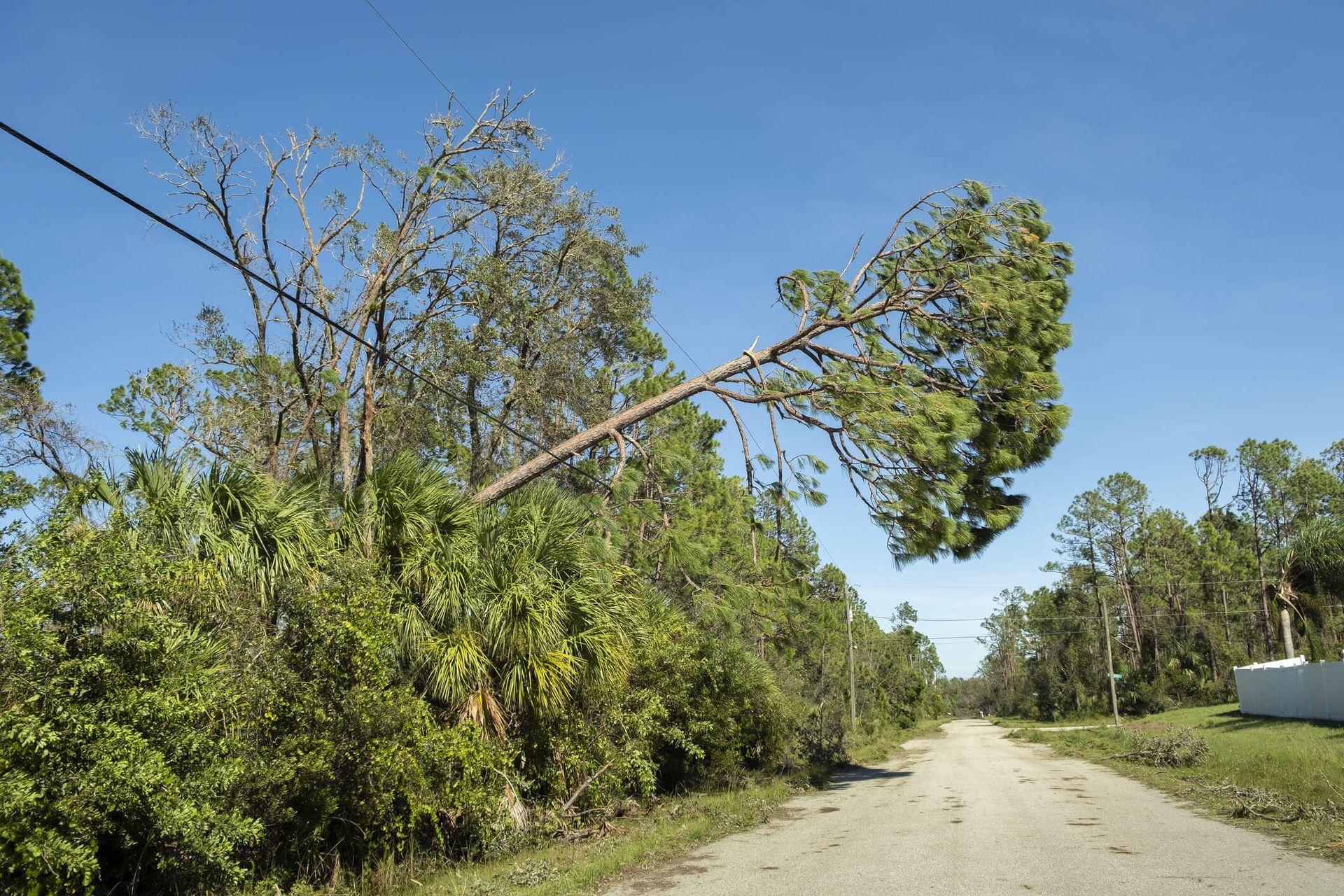
- What's actually within striking distance. A hollow tree standing alone in an open field carries a very different risk profile than one leaning over a driveway, a play area, or a home.
A tree showing several of these signs together is a meaningfully different situation than one that's simply hollow with a thick, sound outer wall and no other red flags.
What This Looks Like Locally
Large old oaks, sycamores, and cottonwoods are common throughout Southern Indiana and the Metro Louisville area, and all three are known for developing hollow trunks while remaining structurally stable for a long time, sycamores in particular are almost famous among arborists for this. That doesn't mean every hollow oak or sycamore in the region gets a pass; it means species matters as part of the overall picture, alongside the other warning signs. It's also worth factoring in what our region actually deals with each year: ice storms and high-wind events add real, additional stress to a tree's structure, and a hollow tree that's been stable through a normal year can be tested differently by a heavy ice load or a severe wind event. If a hollow tree has been on your radar, a reassessment after a significant storm is a reasonable idea even if nothing looked different beforehand.
When Monitoring or Mitigation Makes More Sense Than Removal
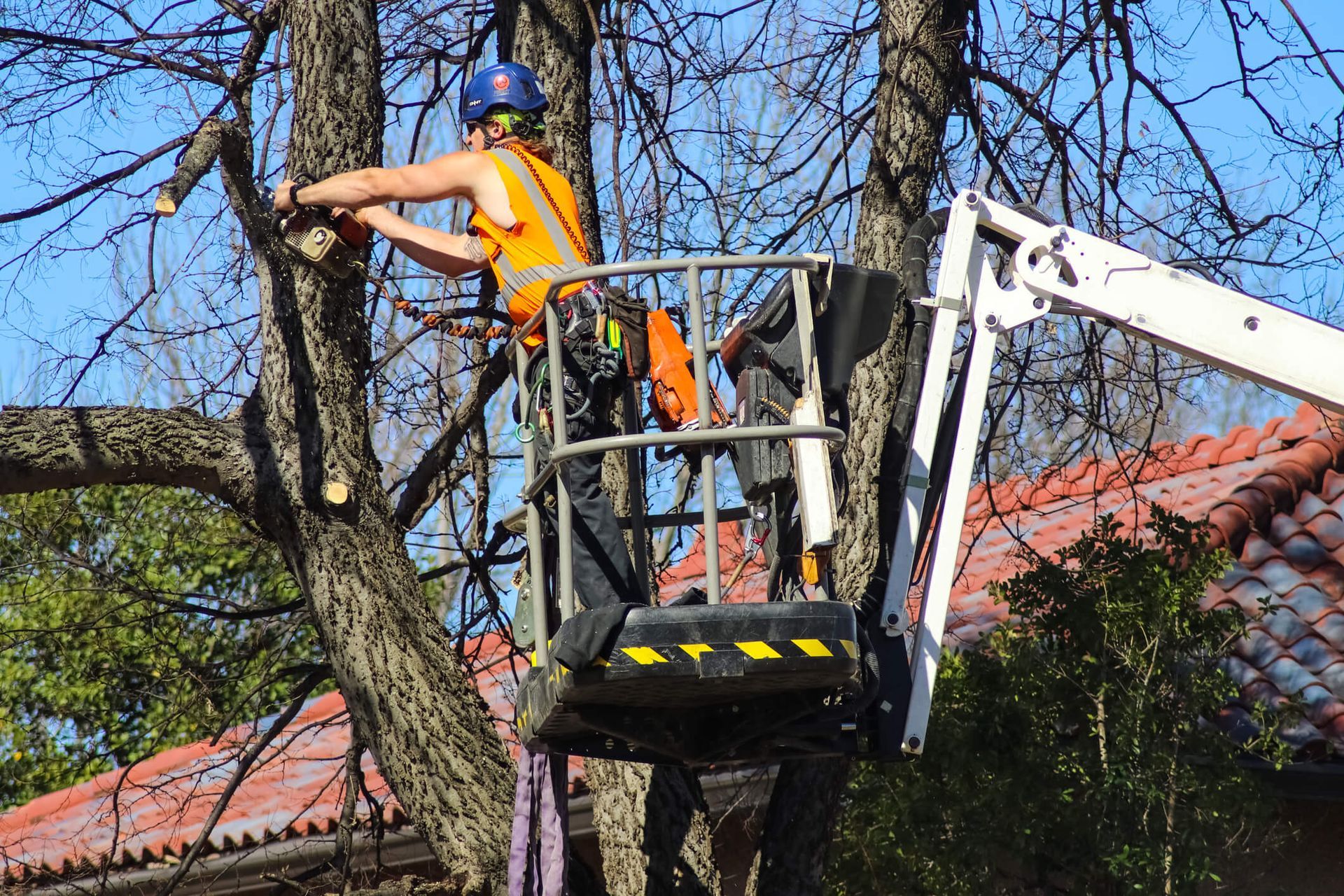
For a hollow tree with a sound outer wall, no active decay signs, and a location that isn't putting anything valuable at risk, removal often isn't actually necessary. Options like cabling, bracing, or targeted pruning to reduce weight and wind resistance can extend a tree's safe life considerably, and they preserve a mature tree's value, shade, and the wildlife habitat that a hollow trunk often provides for owls, woodpeckers, and other cavity-dwelling species. The right call depends entirely on what an inspection actually finds, not on hollowness as a standalone fact.
Why This Isn't a Call to Make From the Ground
Judging the thickness of a tree's remaining sound wood, or how far decay has actually progressed inside the trunk, isn't something that can be reliably done by looking at the outside of the tree. This is exactly the kind of assessment that benefits from an experienced eye rather than a guess, especially for a large tree near a home, vehicle, or area people regularly use. If you're also noticing other signs of decline alongside the hollowing, our guide on how to tell a dead tree from a dormant one covers additional warning signs worth watching for.
Find Out If Your Tree Needs Removal
A hollow trunk is a reason to take a closer look, not an automatic reason to remove the tree. Whether it's actually a hazard depends on the thickness and condition of the wood that's still there, the presence of other warning signs, and what's within reach if things go wrong, all of which is worth having assessed properly rather than assumed.
If you have a hollow or aging tree on your property and want an honest read on whether it needs to come down or can safely stay, SYS Enterprises has served Southern Indiana and Metro Louisville for over 30 years. Learn more about our tree removal services, or call us at (502) 724-6950 to schedule an assessment.
Frequently Asked Questions
Does a hollow trunk always mean a tree is dying?
No. A tree's strength comes mainly from its outer wood, not the center, so a hollow core doesn't necessarily indicate the tree is dying. What matters more is whether the remaining outer wall is sound and whether other warning signs, like cracks or fungal growth, are present.
How can I tell if a hollow tree is dangerous without cutting into it?
You generally can't reliably judge this from the outside alone. A professional inspection can assess the cavity's size relative to the trunk's overall diameter and check for additional warning signs that indicate elevated risk.
Can a hollow tree be saved instead of removed?
Often, yes, if the remaining outer wood is structurally sound and there aren't significant additional warning signs. Options like pruning to reduce weight, cabling, or bracing can let a hollow tree remain safely for years, especially if its location doesn't put anything valuable directly at risk.
Are certain tree species more likely to develop hollow trunks?
Yes. Large, mature oaks, sycamores, and cottonwoods, all common in Southern Indiana and Metro Louisville, are known for developing hollow trunks while often remaining stable for many years. Species is one factor among several, not a determining one on its own.
You might also like