The Complete Seasonal Tree Care Guide for Every Homeowner
Strong, healthy trees require consistent attention, professional insight, and year-round commitment. Seasonal tree care is not just about appearance—it is about protecting property, reducing risk, supporting wildlife, enhancing landscaping value, improving the overall area, and creating a balanced layer of beauty and function throughout the yard. The work is guided by a trained eye for detail, ensuring every space reflects quality, safety, and long-term value.
We approach tree maintenance as a complete system that considers soil quality, water availability, climate conditions, pest activity, disease prevention, and structural integrity. Through our experience, we have learned the most effective way to manage these things is through customized care options that match each property’s layout, environment, and goals. Our content-driven approach focuses on education, transparency, and practical solutions that help homeowners make informed decisions.
This guide outlines proven best practices, seasonal steps, and expert-backed solutions designed to maximize available space, protect natural resources, and enhance outdoor living areas. By following these methods, homeowners gain reliable options for maintaining strong, beautiful, and resilient trees throughout the year while preserving both function and visual appeal.
The Role Of Seasonal Tree Care In Long-Term Health
Trees are living systems that respond directly to changes in weather, temperature, moisture, sunlight, and exposure to the sun. Every season brings different challenges and needs, and ignoring these cycles increases the risk of disease, storm damage, dehydration, winter damage, and long-term structural problems. From young ones that need early support to mature trees that require careful shaping, each stage presents specific tasks and responsibilities.
We view seasonal tree care as a continuous course of action that supports both immediate performance and long-term stability. This approach links routine maintenance jobs with preventative solutions, ensuring that small issues do not develop into major concerns. Regular cleanup, including removing debris with tools such as a broom when needed, also helps maintain healthy growing conditions and reduces environmental stress.
This process supports:
- Root systems and nutrient absorption
- Canopy development, proper shape, and shade production
- Air circulation and sunlight penetration
- Resistance to pests, insects, fungi, and diseases
- Protection from temperature extremes, frost, heat, and ice
- Structural strength against winds and storms
- Stability through proper staking and support when required
Our approach focuses on prevention rather than emergency removal. By addressing each issue early, reinforcing weak areas with stakes, and maintaining strong links between inspection, care, and corrective action, most problems can be resolved before they reach critical levels. With consistent monitoring and professional attention, trees remain safer, healthier, and better prepared for seasonal changes.
Spring Preparation For Healthy Growth And Recovery
Spring marks the arrival of active growth after winter dormancy. This season sets the foundation for the entire year.
Soil Assessment And Nutrient Management
We begin spring with soil inspections to evaluate moisture levels, nutrient availability, and compaction. Healthy soil supports strong roots, proper water absorption, and stable growth.
Our spring care process includes:
- Testing soil pH and nutrient balance
- Applying appropriate fertilizer based on tree species and location
- Improving drainage to prevent water buildup
- Adding organic mulch layers to retain moisture and insulation
Mulching also protects the base of the trunk, reduces grass competition, and limits water loss.
Pruning And Structural Development
Spring is ideal for selective tree pruning before full leaf expansion. We focus on:
- Removing dead, damaged, or diseased branches
- Correcting poor structure
- Improving air circulation
- Reducing canopy density
- Supporting balanced growth
Proper pruning prevents rot, reduces pest habitats, and improves sunlight exposure throughout the canopy.
We also inspect tree branches for cracks, weak joints, and early signs of decay.
Pest And Disease Monitoring
As temperatures rise, insects and diseases become more active. We carefully inspect for:
- Holes in bark
- Leaf discoloration
- Fungal growth
- Sap leakage
- Unusual branch dieback
Early detection allows us to apply targeted treatments and prevent spread across the landscape.
Summer Maintenance For Strength And Stress Prevention
Summer presents challenges related to heat, drought, and water management, so following summer tree care tips for homeowners is essential to prevent dehydration, nutrient deficiency, and growth stress in trees.
Watering And Moisture Management
Consistent watering is critical during hot months. We emphasize deep watering that reaches root systems instead of shallow surface moisture.
Our watering strategy includes:
- Monitoring soil moisture levels
- Adjusting frequency based on climate and weather
- Preventing runoff and evaporation
- Supporting young and newly planted trees
Proper hydration reduces water loss, supports photosynthesis, and maintains leaf health.
Canopy Management And Shade Balance
Summer pruning focuses on safety and airflow rather than heavy trimming. We remove hazardous branches while preserving shade and structure.
Maintaining a balanced canopy helps:
- Reduce wind resistance
- Prevent limb failure
- Improve sunlight distribution
- Protect bark from sunscald
We always avoid excessive pruning that could weaken trees or expose them to temperature extremes.
Pest Control And Disease Prevention
High temperatures accelerate insect reproduction and fungal growth. We continue inspections for:
- Aphids, borers, and caterpillars
- Leaf spot diseases
- Powdery mildew
- Root rot
- Canker infections
Integrated pest management allows us to protect trees without harming the environment, wildlife, or surrounding plants.
Fall Preparation For Winter Protection And Stability
Fall is a critical transition season that prepares trees for dormancy and winter challenges.
Leaf Management And Ground Care
Fallen leaves can either benefit or harm trees depending on management. We often recommend:
- Composting healthy leaves for nutrient recycling
- Removing diseased leaves to prevent spread
- Avoiding excessive buildup around the base
Clean ground conditions reduce fungal activity and pest overwintering.
Root System Support And Insulation
Before temperatures drop, we focus on strengthening roots. Fall mulching adds insulation, conserves moisture, and protects soil structure.
We also apply fall fertilization when appropriate, helping trees store nutrients for winter and early spring growth.
Structural Inspections And Risk Reduction
Fall is ideal for evaluating storm risks. We inspect for:
- Weak branch unions
- Cracks in trunks
- Leaning structures
- Root exposure
- Foundation conflicts
Addressing these issues before winter storms reduces damage and safety hazards.
Winter Protection And Dormancy Management
Winter dormancy allows trees to conserve energy, but cold weather introduces risks such as frost damage, ice accumulation, and dehydration.
Protection From Temperature Extremes
Cold temperatures can cause bark splitting, sunscald, and tissue damage. We often recommend:
- Tree wraps for young or sensitive species
- Trunk protection against rodents
- Mulch insulation
- Windbreak solutions
These measures help stabilize internal temperatures and prevent moisture loss.
Snow And Ice Management
Heavy snow and ice place extreme stress on branches. We monitor for:
- Bending limbs
- Splitting joints
- Overloaded canopies
When safe, we remove excess buildup using proper tools and equipment to avoid breakage.
Winter Pruning And Structural Refinement
Dormancy is an excellent time for major pruning work. Without leaves, structure becomes visible, allowing us to:
- Correct form issues
- Improve balance
- Remove hazardous limbs
- Prepare for spring growth
Winter Pruning And Structural Refinement
Dormancy is an excellent time for major pruning work. Without leaves, structure becomes visible, allowing us to:
- Correct form issues
- Improve balance
- Remove hazardous limbs
- Prepare for spring growth
Winter pruning also reduces disease transmission.
Comprehensive Tree Health Monitoring And Inspections
Consistent monitoring is one of the most valuable investments in tree care. We maintain detailed inspection routines throughout the year.
Our process evaluates:
- Leaf color and density
- Bark condition
- Trunk stability
- Root flare visibility
- Branch spacing
- Growth patterns
We document signs of stress, dehydration, disease, or insect activity and respond with appropriate treatments.
This proactive approach minimizes emergency services and unexpected removal.
Professional Arborist Expertise And Specialized Services
Our team includes trained arborists and experienced professionals who understand the biology, structure, and behavior of diverse tree species.
The Value Of Certified Expertise
Working with knowledgeable experts provides:
- Accurate diagnosis of problems
- Safe pruning techniques
- Effective pest management
- Proper fertilization plans
- Risk assessment for storms and winds
Our arborist-guided approach ensures every action benefits long-term health.
Range Of Tree Services And Solutions
We provide complete tree services, including:
- Tree trimming and pruning
- Disease treatments
- Pest control
- Storm damage response
- Tree removal
- Root system management
- Planting and transplanting
- Landscape integration
Each service is tailored to the tree’s type, location, and environmental conditions.
Managing Storm Damage And Emergency Situations
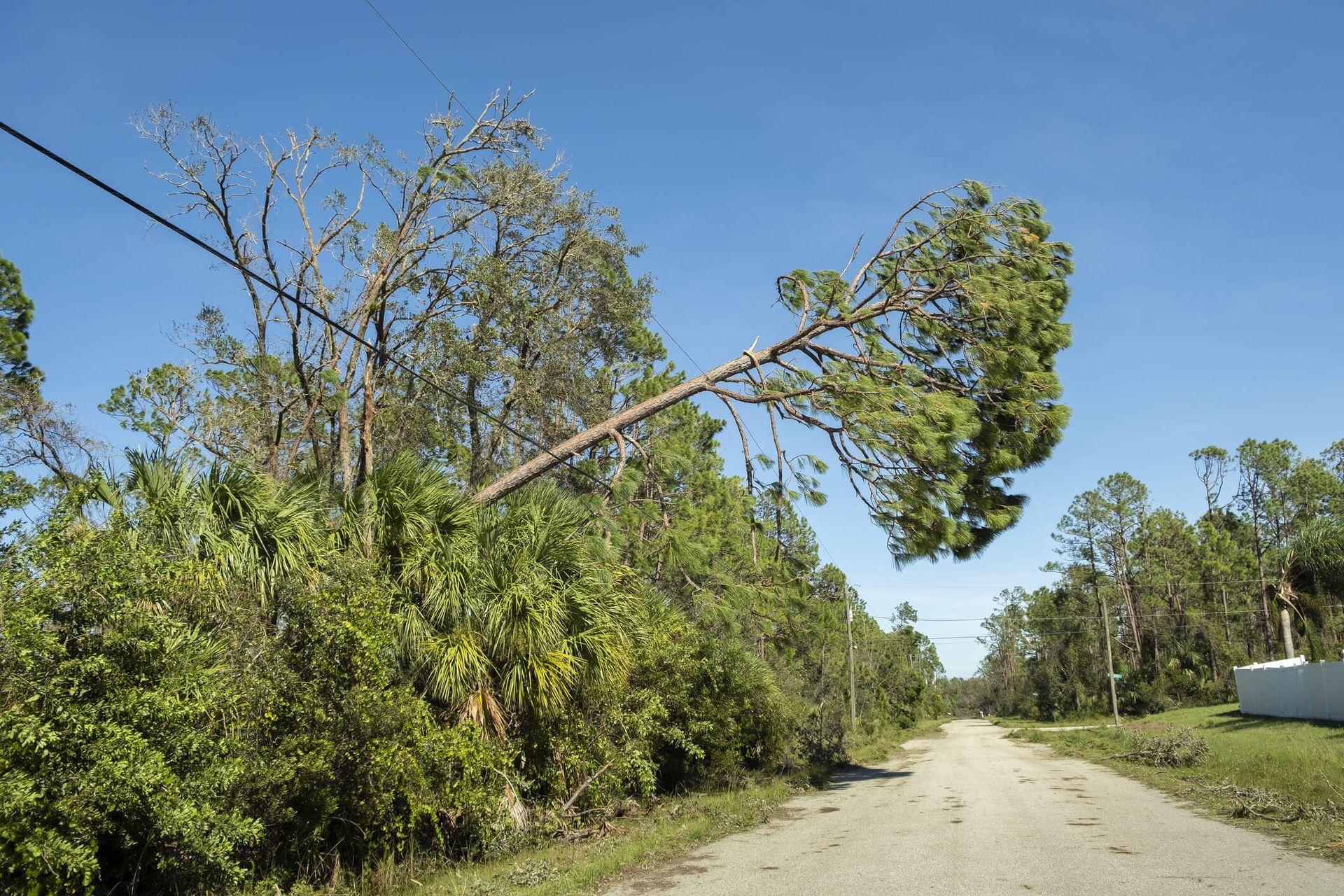
Storms, high winds, and ice events can cause sudden and severe damage, making it important to recognize warning signs your tree might be a danger to your home. Our emergency response focuses on safety and rapid stabilization.
Post-Storm Assessment And Action
After storms, we inspect for:
- Hanging branches
- Split trunks
- Uprooted trees
- Foundation impact
- Broken limbs over structures
We prioritize immediate risk reduction to protect people and property.
Long-Term Recovery And Support
Following storm damage, we implement recovery plans that may include:
- Structural pruning
- Cabling and bracing
- Soil restoration
- Nutrient supplementation
- Monitoring for rot and disease
Proper recovery improves survival rates and restores strength.
Sustainable Practices And Environmental Responsibility
We believe tree care must support the broader environment. Our methods protect air quality, soil health, and local ecosystems.
Supporting Wildlife And Biodiversity
Healthy trees provide habitat, food sources, and shelter for wildlife. Our maintenance strategies preserve nesting sites and pollinator resources whenever possible.
Reducing Chemical Impact
We use targeted treatments instead of broad-spectrum chemicals. This reduces harm to beneficial insects, grass, groundwater, and surrounding plants.
Promoting Climate Resilience
Strong trees help regulate temperatures, reduce heat islands, and improve air circulation. Through responsible care, we enhance climate resilience across properties.
Common Tree Care Challenges And Practical Solutions
Homeowners often encounter recurring issues that require professional guidance.
Frequent Problems We Address
These include:
- Poor growth due to compacted soil
- Leaf drop from dehydration
- Bark damage from sunscald
- Root interference with foundations
- Fungal infections
- Insect infestations
- Canopy overcrowding
Our Proven Approach
We resolve these challenges through:
- Customized maintenance plans
- Regular inspections
- Preventive treatments
- Structural corrections
- Ongoing monitoring
Our solutions focus on long-term stability rather than short-term fixes.
Tools, Equipment, And Safety Standards
Proper tools and safety protocols protect both trees and people.
Professional Equipment Use
We utilize industry-grade equipment for:
- Precision pruning
- Safe climbing
- Storm cleanup
- Root care
- Diagnostic testing
This ensures clean cuts, minimal stress, and reliable results.
Safety And Risk Management
Safety remains central to every job. We follow strict procedures to manage:
- Falling branch risks
- Electrical hazards
- Equipment handling
- Property protection
Our team works with clear communication and detailed planning on every project.
Seasonal Tree Care Checklist For Homeowners
We encourage homeowners to follow a structured checklist to maintain consistency.
Spring
- Inspect soil and apply fertilizer
- Begin pruning
- Monitor pests
- Refresh mulch
Summer
- Adjust watering
- Monitor moisture
- Inspect leaves and bark
- Control insects
Fall
- Remove diseased leaves
- Strengthen roots
- Inspect structure
- Apply mulch
Winter
- Protect trunks
- Remove snow buildup
- Perform dormant pruning
- Monitor for frost damage
This seasonal checklist supports strong tree health year-round.
The Long-Term Value Of Professional Tree Maintenance
Consistent tree maintenance increases property value, enhances beauty, and reduces long-term costs.
Our clients benefit from:
- Improved landscape appearance
- Reduced storm-related repairs
- Increased shade and comfort
- Stronger root systems
- Extended tree life
- Better environmental impact
We view every tree as an investment in both aesthetics and sustainability.
Our Commitment To Excellence And Community Support
At SYS Enterprises, we approach every project with dedication, experience, and respect for our clients’ needs. We work closely with homeowners, property managers, and communities to deliver dependable results.
Our team focuses on:
- Clear communication
- Transparent recommendations
- Evidence-based practices
- Continuous training
- Reliable service delivery
We treat every tree as a vital part of the property’s ecosystem and long-term value.
Conclusion: A Year-Round Strategy For Strong And Beautiful Trees
Seasonal tree care is not a single task—it is an ongoing partnership between homeowners and experienced professionals. Through proper pruning, watering, fertilization, mulching, inspections, and protection, we ensure trees remain strong, resilient, and visually appealing in every season.
By following this guide and working with our expert team, homeowners can reduce risks, prevent damage, improve tree health, and enjoy thriving landscapes for generations.
We remain committed to providing trusted solutions, expert guidance, and dependable service that supports the life, beauty, and strength of every tree we care for.
Frequently Asked Questions (FAQs)
- How do I choose the right tree species for my climate and soil type? Assess your local climate, soil pH, drainage, and nutrient levels to select trees that are well-adapted. Native or climate-suited species require less water, resist pests, and thrive with minimal intervention.
- What is the best way to water newly planted trees versus established trees? New trees need frequent, shallow watering to help roots establish, usually 2–3 times per week. Established trees benefit from deep, infrequent watering that reaches the entire root zone to maintain long-term health.
- How can I tell if a tree is suffering from nutrient deficiencies? Look for yellowing leaves, stunted growth, or unusual spotting as signs of nutrient issues. Soil tests provide the most accurate diagnosis and guide proper fertilization.
- How do I safely remove a tree limb that is too large to prune myself? Large limbs over 6–8 inches in diameter should only be removed by a certified arborist. Attempting this yourself can cause serious injury or property damage.
- Can I plant trees too close to my home or driveway? Planting too close can damage foundations, sidewalks, and underground utilities. Small trees should be 6–10 feet away, and large trees at least 15–20 feet from structures.
- How do seasonal weather extremes affect tree fertilization schedules? Avoid fertilizing during extreme heat, drought, or frost as it can stress trees or wash away nutrients. Spring and fall are typically ideal, with light, targeted feedings preferred over heavy applications.
- What are the signs that a tree needs cabling or bracing? Look for weak branches, cracks at unions, or leaning trunks prone to failure. Cabling or bracing can provide support and reduce risk of structural damage.
- How can I identify invasive pests before they damage my trees? Watch for unusual leaf damage, holes, sap leakage, or wilting as early warning signs. Local pest alerts and routine inspections help detect infestations before serious harm occurs.
- Is it safe to use chemical treatments on flowering trees that attract pollinators? Apply targeted treatments outside of bloom periods to protect bees and other beneficial insects. Avoid broad-spectrum chemicals and follow label instructions carefully.
- How do I monitor tree health remotely or with minimal professional visits? Take seasonal photos, check soil moisture, and inspect for cracks, leaning, or pests. Recording observations over time allows you to flag issues before scheduling professional care.
You might also like