Maple Tree Pruning Tips For Choosing The Best Time Tools And Techniques 2026
At SYS Enterprises, we approach maple tree pruning with precision, science-backed methods, and decades of field experience. Proper pruning is not simply about trimming branches from a tree — it is about protecting plant health, guiding growth patterns, preserving structure, and reducing risk to people and property. Every type and variety of maple responds differently depending on its environment, so we keep long-term performance in mind before any work begins. Whether we are managing mature trees towering above the ground or shaping younger plants and surrounding shrubs, our goal is to strengthen structure while encouraging balanced, sustainable growth.
In this comprehensive guide, we share our professional maple tree pruning tips for 2026, including the best season, tools, techniques, and timing to ensure long-term vitality. We explain when to use a ladder safely, how to remove unwanted suckers at ground level, and how to select the right approach for each type of maple in your landscape. From small residential jobs to large-scale property maintenance, we focus on efficient, detail-oriented work that supports tree stability, enhances the surrounding environment, and delivers lasting results.
Proper Timing Protects Sap Flow And Supports Healthy Growth
Timing is one of the most important factors in maple tree pruning, and understanding the right way to schedule cuts makes a measurable difference in long-term health. Maples are well known for sap flow in late winter and early spring. During this season, pruning cuts can cause noticeable sap bleeding. While this bleeding looks alarming, it rarely causes harm to established maple trees. However, excessive sap flow can create unnecessary stress and attract certain pathogens. Unlike birch, which also bleeds heavily, or oak, which carries its own seasonal disease risks, maple trees respond best when timing decisions are made carefully and with expert oversight. As pruning experts, we evaluate the specific case before putting tools in our hands, ensuring that what may look like a problem is handled with the right approach.
We recommend pruning most maple trees during dormancy — typically late fall through mid-winter — when leaves have dropped and buds are inactive. Dormancy reduces disease transmission, minimizes stress, and improves visibility of branch structure. Avoid pruning during peak spring growth when buds are opening and energy reserves are directed toward foliage development. In some cases, light trimming can be done in summer to manage size, shape, or remove damaged limbs. The key is understanding the species, local weather conditions, frost patterns, and the tree’s overall health before deciding on timing. When handled properly, the benefits include improved structure, stronger growth, and enhanced ability to resist disease, giving property owners clear reasons to invest in professional pruning rather than leaving critical decisions to guesswork or inexperienced ones.
Correct Tools Ensure Clean Cuts And Faster Healing
Using the right tools is critical for safe and effective tree pruning. At SYS Enterprises, we rely on professional-grade equipment to ensure each cut is precise and promotes proper healing.
Common pruning tools include:
- Hand pruning shears for small twigs and stems
- Loppers for medium-diameter branches
- Pruning saws for larger limbs
- Pole saws for elevated cuts
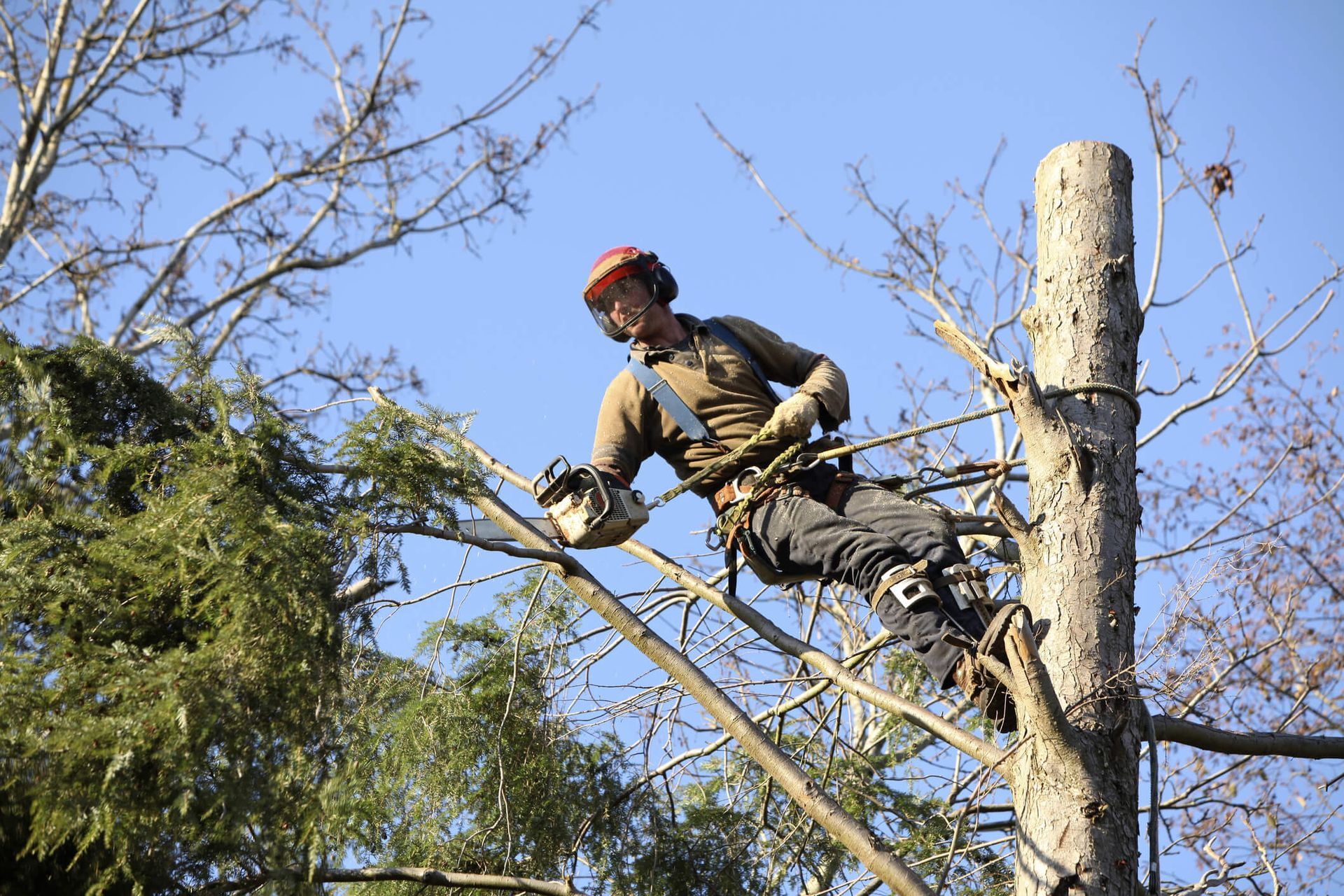
- Ladders and safety equipment for secure access
Each tool serves a specific role depending on branch diameter, stem thickness, and location within the canopy or near the top of the tree. Before making any cut, we evaluate the direction of growth, branch attachment angle, and overall structure to ensure our effort supports long-term stability. Sharp tools create smooth cuts that protect bark and wood tissue, improving wound closure and reducing infection risk. This precision is especially important for ornamental maples grown for vibrant flowers, decorative fruit, or unique branching form. Dull equipment can tear bark, leaving pruning wounds vulnerable to disease and decay and disrupting the natural healing process.
We also disinfect tools between cuts when dealing with disease or infections to prevent pathogen spread between plants. Accurate information about tree health, growth stage, and structural condition guides every decision we make, ensuring each pruning action strengthens the stem, preserves flowering potential, and protects the overall integrity of the tree.
Structural Pruning Builds Strong Trunk And Balanced Crown
Young maple trees benefit significantly from structural pruning. The first few years after planting are essential for shaping long-term structure. We focus on establishing a dominant central leader and removing competing leaders to create strength in the trunk.
A balanced crown allows proper air circulation and sunlight penetration. Removing crossing branches, weak angles, and poorly attached limbs reduces future breakage during storms. Proper branch spacing also improves canopy airflow, minimizing disease development.
When pruning for structure, we avoid removing more than 25% of foliage in one season. Excessive removal can disrupt growth patterns and stress the roots.
Branch Collar Protection Prevents Decay And Disease
Every branch connects to the trunk at a specialized area known as the branch collar. This collar contains protective tissue that helps seal wounds after a cut. Cutting too close to the trunk damages this natural defense zone, while leaving long stubs prevents proper healing and invites decay.
To keep trees healthy and strong, it’s important to use the right types of pruning cuts: thinning cuts, heading cuts, and stub removal cuts that reduce disease risk and improve structure.
We always prune just outside the branch collar using the correct angle. This method supports healing, reduces disease penetration, and protects internal wood from infections. Stub removal is particularly important in maple trees, as improperly cut stubs can harbor pathogens and compromise overall tree health.
Seasonal Strategy Minimizes Stress And Sap Bleeding
Understanding seasonal pruning needs helps prevent unnecessary stress. During spring growth, maple trees channel energy toward leaves and flowering. Heavy pruning at this time can interfere with bud development and sap circulation.
In late winter, even though sap bleeding occurs, the tree is still dormant, and the risk of disease transmission is lower. Summer pruning may be appropriate for minor size control or clearance near a road, yard, or structure.
We tailor our approach based on species — whether it is Japanese maple, sugar maple, or other types — and environmental conditions in your area.
Disease Prevention Requires Clean Technique And Careful Inspection
Maples are susceptible to certain diseases, including fungal infections and vascular disease. Proper pruning techniques reduce disease risk by improving airflow, removing deadwood, and eliminating infected branches.
We inspect bark, leaves, buds, and stems for signs of disease before making cuts. Common issues include discoloration, dieback, decay, and abnormal growth patterns. Early detection prevents larger problems later.
Sanitizing pruning shears, loppers, and saw blades between trees is a best practice we follow to prevent cross-contamination.
Air Circulation And Sunlight Improve Foliage And Form
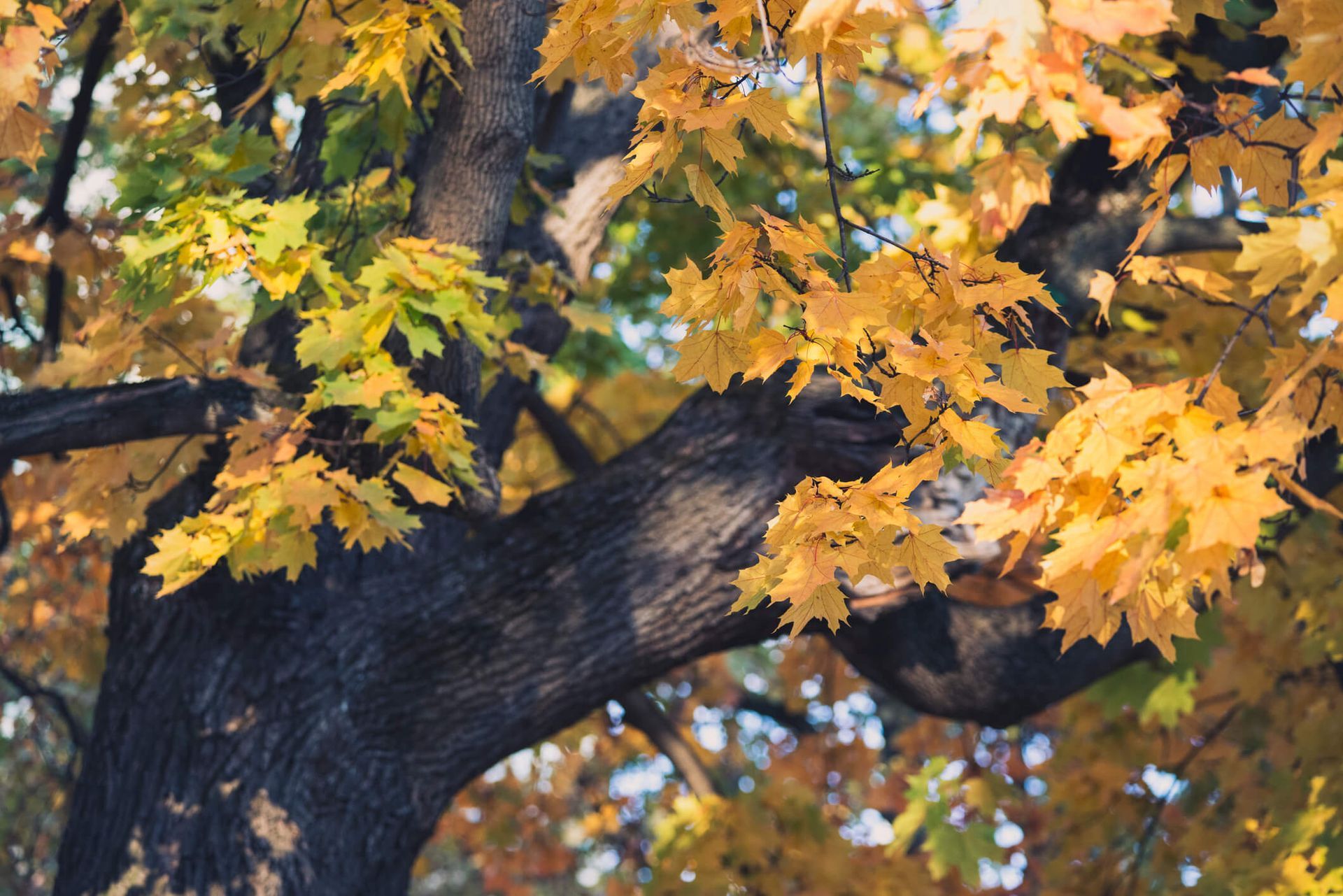
A dense canopy may look attractive, but overcrowded branches restrict air circulation and sunlight penetration. Poor airflow increases humidity, encouraging pathogens and infections.
Strategic canopy thinning improves light distribution, enhances foliage color, and strengthens overall form. We maintain balance between shade and sunlight to protect leaves from scorch while encouraging healthy growth.
Proper trimming also enhances landscape appearance and increases property value.
Managing Height And Size Protects Safety And Property
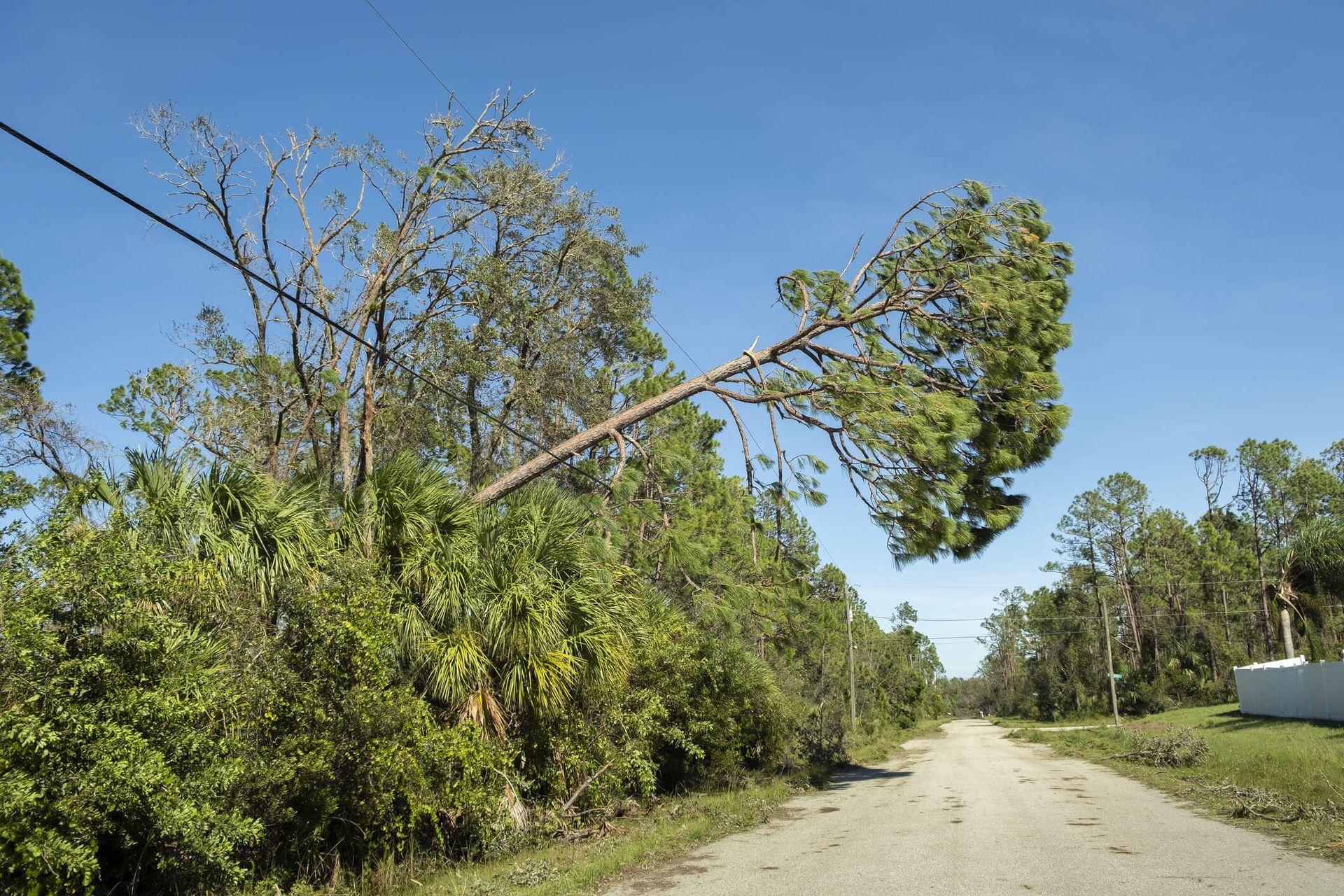
Controlling tree height and crown spread is essential in residential and commercial areas. Overextended limbs can threaten roofs, power lines, and road clearance.
We assess tree size, location, and structural integrity before pruning. In some cases, reduction cuts help manage height without compromising structure. We avoid topping, which severely damages growth patterns and weakens trunks.
Professional arborist oversight ensures pruning supports long-term safety rather than creating future hazards.
Removal Of Deadwood And Damaged Limbs Prevents Future Problems
Deadwood removal is one of the most important maintenance practices. Dead limbs increase risk during storms and provide entry points for disease and decay.
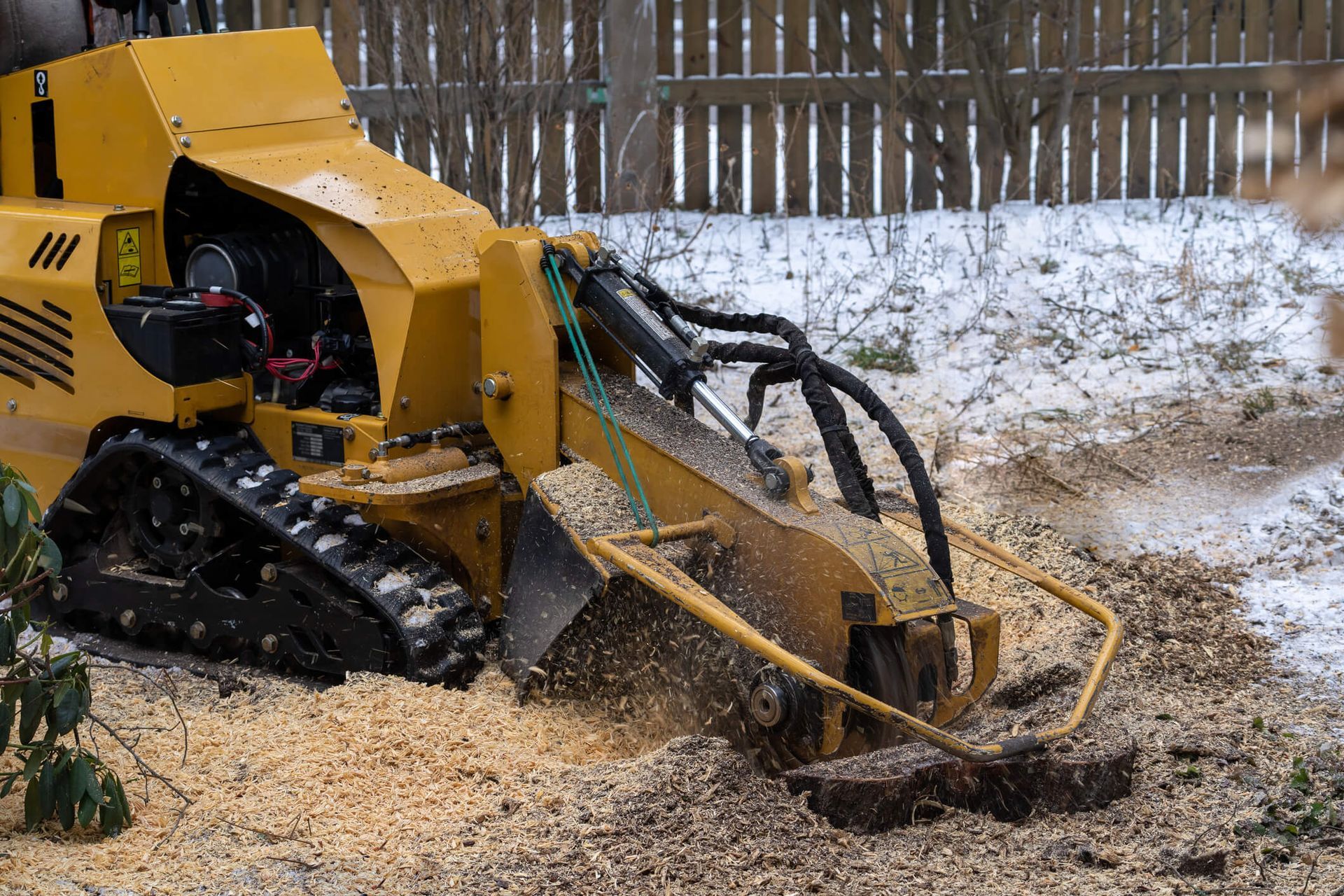
We identify dead branches by inspecting bark texture, bud activity, and flexibility. Removing damaged wood improves safety and redirects energy toward healthy tissue. Additionally, we offer stump grinding and removal services to eliminate hazards left behind after tree removal, prevent pest infestations, and make space for new plantings.
This proactive maintenance reduces liability and enhances overall tree health.
Pruning Young Maples Encourages Strong Development
Young maple trees require formative pruning to guide proper growth. During the first few seasons after planting, we focus on correcting structure, selecting a strong leader, and spacing branches evenly.
Early intervention reduces the need for major cuts later. It also improves long-term crown balance and reduces stress.
We approach young trees with careful attention to branch diameter ratios and trunk strength.
Mature Tree Rejuvenation Restores Balance And Health
Older maple trees sometimes require rejuvenation pruning. Over time, canopies may become dense, uneven, or structurally compromised.
Selective thinning, removal of crossing branches, and crown reduction restore balance. Rejuvenation improves air circulation, sunlight exposure, and energy distribution.
We avoid aggressive cuts that could shock mature trees. Instead, we apply gradual techniques over multiple seasons.
Avoiding Common Pruning Mistakes Protects Tree Health
Improper pruning causes more harm than good. Common mistakes include:
- Topping the tree
- Cutting inside the branch collar
- Leaving large stubs
- Over-pruning in one season
- Ignoring disease symptoms
- Using dull or contaminated tools
Each mistake increases stress, disease risk, and structural weakness. Our professional pruning techniques are designed to protect long-term health and reduce unnecessary damage.
Weather Conditions Influence Pruning Success
Weather plays a significant role in pruning timing. We avoid pruning during extreme frost, heavy rain, or high humidity. Wet conditions increase pathogen spread, while extreme cold can damage exposed tissue.
Understanding local climate patterns allows us to schedule pruning at optimal times for healing and recovery.
Japanese Maple Requires Specialized Technique And Attention
Japanese maple varieties have delicate branches and unique growth habits. Their ornamental form requires careful shaping to maintain aesthetic appeal.
We use fine pruning shears and precise hand techniques when working on these species. Light thinning preserves natural shape while improving airflow and structure.
Over-pruning can permanently alter appearance, so professional care is essential.
Proper Clearance Improves Safety Around Roads And Structures
Branches extending over a road, driveway, or walkway pose safety concerns. We prune to ensure adequate clearance while maintaining canopy balance.
This is especially important for properties in high-traffic areas. Strategic limb removal reduces liability and enhances visibility.
Professional Arborist Expertise Ensures Long-Term Results
Tree pruning is both science and skill. As experienced professionals, we understand species differences, disease management, structural integrity, and safe equipment use.
Hiring a certified arborist ensures pruning is performed correctly. Our team evaluates tree health, growth patterns, environmental stress factors, and structural risks before beginning any job.
Maple Tree Pruning Supports Long-Term Landscape Value
Healthy maple trees enhance landscape beauty, provide shade, and increase property value. Proper maintenance protects this investment.
When pruning is done correctly, it strengthens trunk stability, improves crown balance, and reduces disease risk. It also supports flowering, bud formation, and vibrant foliage color.
Consistent Maintenance Preserves Energy And Structure
Regular inspection and scheduled maintenance reduce the need for drastic cuts. Monitoring branch angles, bark integrity, and canopy density prevents structural problems.
We view pruning as part of comprehensive tree care. Combined with proper planting, soil management, and water practices, pruning maximizes tree longevity.
Maple Tree Pruning Requires Precision, Planning, And Professional Care
Effective maple tree pruning in 2026 demands informed timing, proper tools, clean cuts, and strategic structure management. From managing sap flow and preventing disease to shaping canopy form and ensuring safety, every decision matters.
At SYS Enterprises, we take pride in delivering expert pruning services that protect tree health, enhance landscape beauty, and reduce risk. Whether maintaining young maples, rejuvenating mature specimens, or managing clearance near structures, we approach every project with attention, professionalism, and proven techniques.
If you are looking for trusted professionals to care for your maple trees, we are ready to help you preserve their beauty, strength, and long-term vitality.
Frequently Asked Questions (FAQs)
- How Often Should Maple Trees Be Professionally Pruned?
Most mature maple trees benefit from professional pruning every 3–5 years, while young trees may require structural pruning every 1–3 years. Frequency depends on growth rate, location, and overall tree health. - Does Maple Tree Pruning Increase Property Value?
Yes. Proper pruning improves structure, appearance, and safety, which enhances curb appeal and can positively influence property value, especially in well-maintained residential and commercial landscapes. - Can Over-Pruning Kill A Maple Tree?
Yes. Removing too much foliage in a single season can severely stress a maple tree, reduce energy production, and weaken its defense system, potentially leading to decline or death over time. - Should Wound Sealant Be Applied After Pruning?
In most cases, wound sealants are not recommended. Maple trees naturally compartmentalize wounds. Applying sealant can trap moisture and increase the risk of decay unless specifically advised by a certified arborist. - Is It Safe To Prune Maple Trees Near Power Lines?
Pruning near power lines should always be handled by trained professionals. Utility line clearance requires specialized equipment, safety protocols, and sometimes coordination with the local utility company. - What Is The Ideal Age To Begin Structural Pruning On Maple Trees?
Structural pruning should begin within the first few years after planting. Early intervention helps establish a strong central leader, balanced branch spacing, and long-term stability. - Can Maple Tree Pruning Improve Fall Color?
Yes. Proper canopy thinning increases sunlight penetration, which can enhance foliage vibrancy and promote more consistent fall coloration in healthy maple trees. - How Does Soil Condition Affect Pruning Decisions?
Compacted or nutrient-deficient soil can increase stress on maple trees. In these cases, pruning must be conservative to avoid overburdening the tree’s limited energy reserves. - Are There Legal Restrictions On Pruning Maple Trees?
In some municipalities or HOA-regulated communities, there may be guidelines regarding tree height, removal permits, or protected species. Always verify local regulations before major pruning work. - When Is Tree Removal Recommended Instead Of Pruning?
Removal may be necessary if a maple tree is severely diseased, structurally unstable, hollow beyond recovery, or posing a significant safety hazard that corrective pruning cannot resolve.
You might also like