The Hidden Dangers of Delaying Tree Removal on Your Property: Risks You Can’t Ignore
At SYS Enterprises, we understand that trees are often the crowning glory of a landscape, providing shade, beauty, and environmental benefits. However, as professionals in the field, we also recognize that a tree’s health can decline, transforming a majestic feature into a collection of significant hazard points. Delaying tree removal is a decision that many property owners make to save money in the short term, but ignoring the need for professional intervention often leads to far greater expenditures and stress. When the structural integrity of large trunks is compromised, it creates a serious liability for the owner, especially if a collapse impacts nearby homes or public thoroughfares.
The long term consequences of neglecting these areas extend beyond immediate physical danger. Uncontrolled growth can quickly turn a beautiful feature into a massive obstruction, blocking visibility or interfering with utility lines. Furthermore, if a weakened tree falls onto the property of neighbors, the resulting legal disputes and skyrocketing repair costs can be devastating. We believe in proactive management to ensure that your property remains a safe and welcoming environment for everyone in the community.
Compromised Tree Health Creates Immediate Safety Hazards
The primary concern we address during property inspections is the physical stability of the vegetation and the surrounding spaces. When tree health declines due to disease or neglect, the structural integrity of the trunk and branches is compromised, creating substantial safety risks for everyone on site. Dead limbs become brittle, and the likelihood of them falling increases with every passing storm. We have seen firsthand how high winds can turn weakened branches into dangerous projectiles that can damage retaining walls or strike a nearby neighbor. Without the right treatments to address disease early, what once provided shelter and shade can quickly become a threat to the very people it was meant to protect.
For homeowners, the safety of family members, children, and pets is paramount. A tree that appears stable to the untrained eye may actually be suffering from internal decay or deep root issues that threaten the stability of the entire landscape. Without professional intervention and regular tree maintenance, these silent threats can lead to tragic accidents and overwhelming expenses. We believe that proactive tree management is the only way to minimize long term maintenance costs and ensure peace of mind for those living on the property.
Severe Weather Amplifies Existing Property Damage Risks
While a healthy tree can often withstand the pressure of heavy weather, a compromised one cannot, especially when structural infections have gone unnoticed. During periods of intense storms, the risk of a total collapse becomes a reality, turning a minor problem into a massive liability. We frequently assist residents after incidents where falling trees have crushed vehicles or caused catastrophic damage to buildings, roofs, and siding. In such a case, the impact of a heavy trunk hitting a home often results in a total financial loss and may even render the structure uninhabitable.
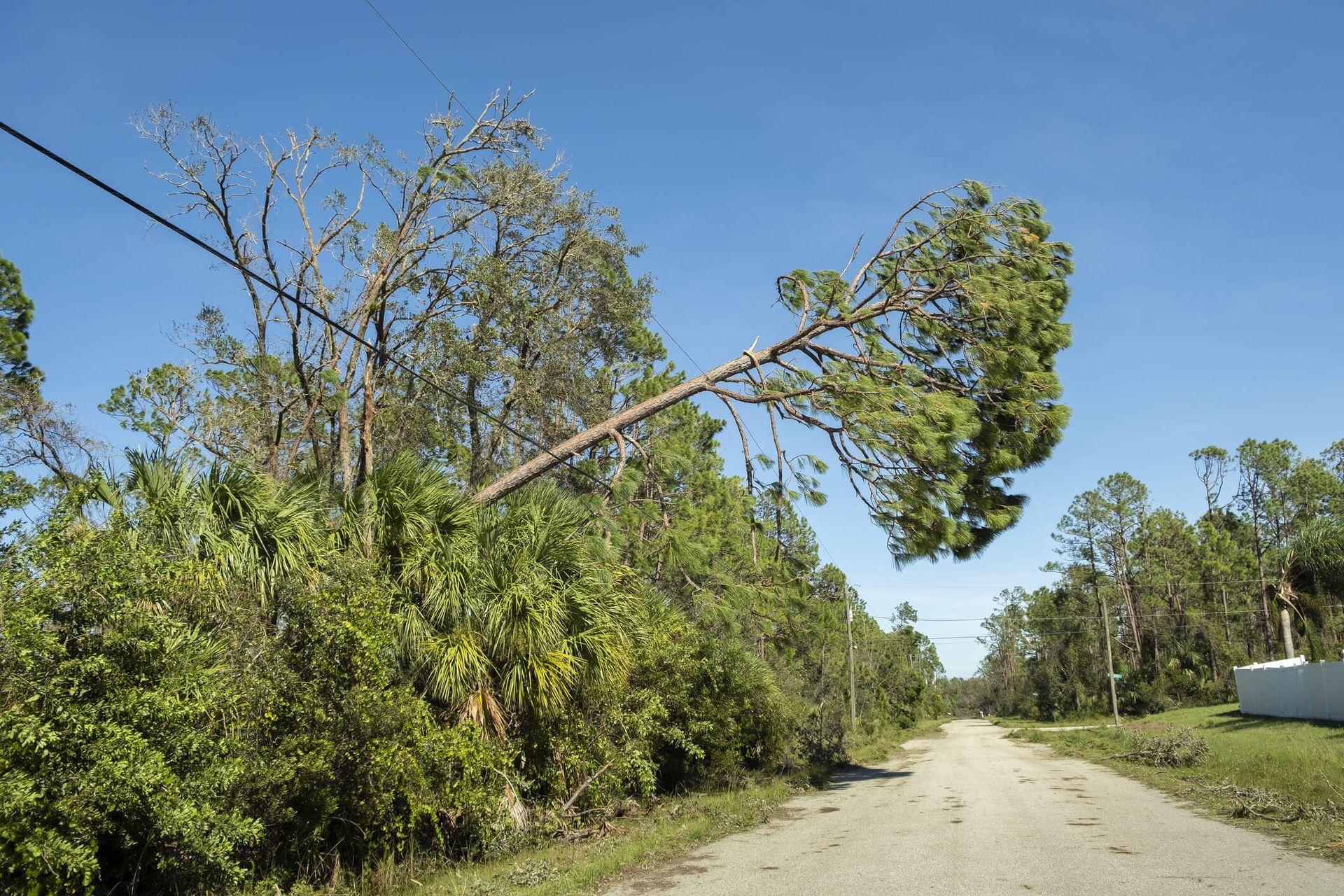
We emphasize that prevention and constant protection are far more cost-effective than emergency services. When we perform a risk assessment, we look for every warning sign of instability that could lead to an accident during the next wind event. If a tree lacks the proper space to grow or is leaning toward power lines, it requires immediate attention to address the safety concerns of the property owner. If a tree is overhanging structures like fences and driveways, the danger is no longer theoretical; it is an imminent threat to the community.
Invasive Root Systems Destabilize Foundations and Infrastructure
The problems associated with delaying removal are not always visible above ground, and by the time signs of damage appear on the surface, the underlying destruction is often extensive. Tree roots are incredibly powerful and persistent. As they seek out moisture and nutrients, they can exert immense pressure on underground structures. We often find that large root systems are the culprits behind cracks in foundations and the disruption of plumbing lines, leading to complex and intrusive repairs. In many instances, allowing these issues to escalate forces a situation where emergency tree services become the only remaining option to prevent further structural failure.
When tree roots infiltrate the soil beneath a driveway or sidewalk, they cause the surface to buckle, creating tripping hazards for passersby and visitors. This structural damage is not just an aesthetic issue; it affects the overall value of the home. In many cases, the cost of repairing a foundation or replacing a sewer line far exceeds the initial expense of professional tree removal. We advise property owners to take action before these hidden issues manifest into a financial burden.
Decaying Wood Functions as a Breeding Ground for Pests
A dying tree is more than just an eyesore; it is a sanctuary for unwanted insects. As decay sets in, the wood becomes soft and inviting for termites, beetles, and other wood-boring pests. Once an infestation is established in a tree, the likelihood of those pests migrating to your home or other plants in the yard increases significantly.
We have observed many cases where rodents and other small animals use overgrown branches as a bridge to access the roof and attic of a house. This leads to further property damage and potential health risks for the residents. By utilizing professional tree removal services to take down a dead or diseased tree, we are not just clearing the landscape; we are removing a primary source of biological threats that can spread through the local ecosystem and harm the biodiversity of your garden.

Neglect Increases Financial Liabilities and Insurance Costs
From a legal perspective, the role of the homeowner is to maintain a safe environment. If a known hazard,such as a rotting branch, falls and causes injury to anyone or damages a neighbor’s property, the owner may be held liable. This can result in costly lawsuits and a significant spike in insurance premiums.
We often work with insurance companies on claims where property damage could have been avoided with simple pruning or timely removal. Many policies have clauses regarding neglect; if it is determined that the homeowner failed to perform necessary tree care, the claim might be denied. We provide detailed inspection reports and expertise to help our clients understand their liabilities. Taking care of these issues today protects your finances from the unpredictable costs of accidents and legal disputes.
Professional Arborists Ensure Safe and Efficient Intervention
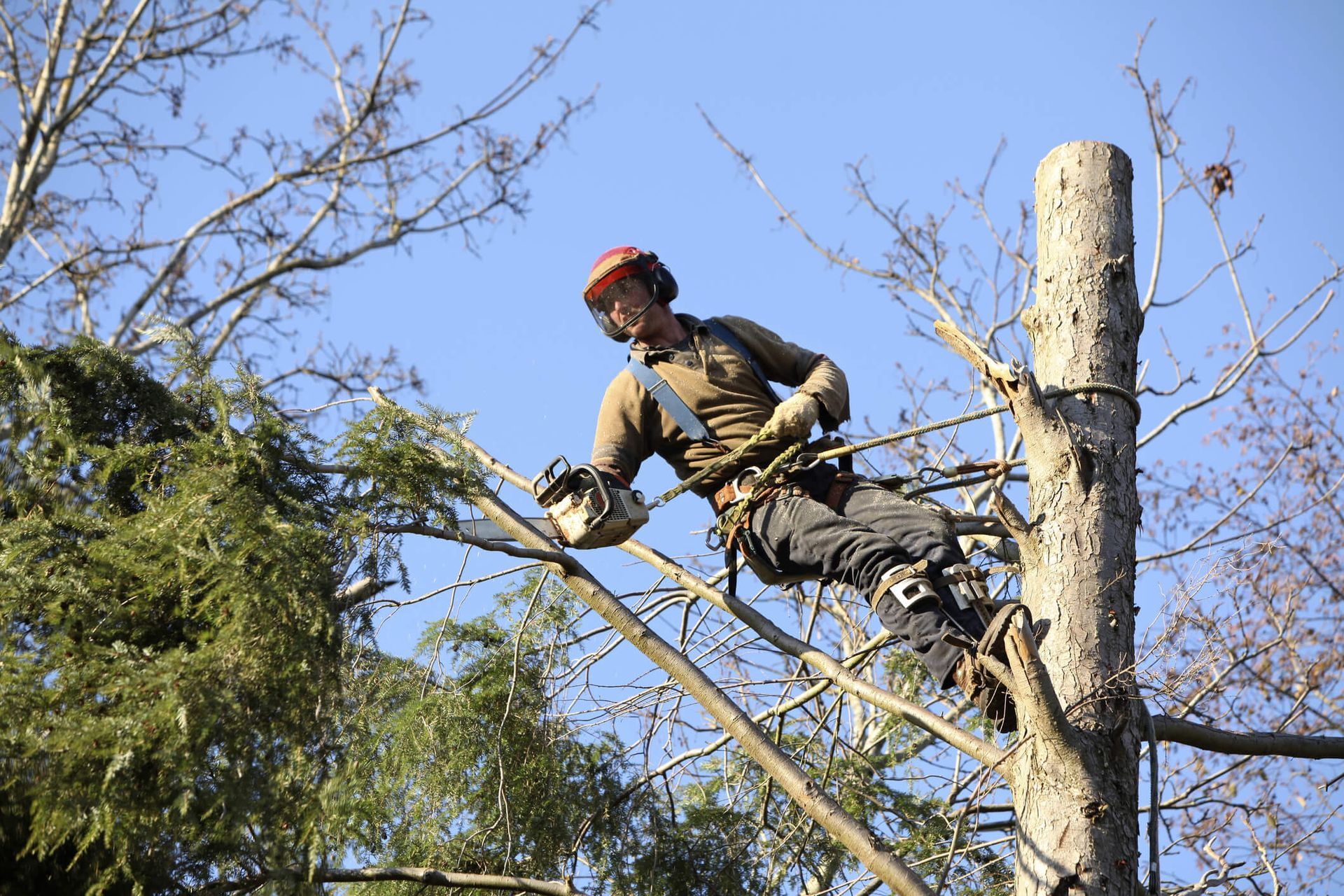
Attempting to handle large-scale tree removal without the proper equipment and expertise is a major risk. At SYS Enterprises, we utilize specialized tools to ensure that even the most complex jobs are handled with precision. The danger of a branch falling in the wrong direction or a trunk splitting during the work is high for those without professional training.
Our team of arborists focuses on the specific needs of each species, ensuring that the surrounding landscape remains intact during the process. We manage the entire lifecycle of the project, from the initial assessment to the final cleanup of the area. This professional approach minimizes the disruption to your life and ensures that the job is done right the first time, preventing future problems like stump regrowth or soil instability.
Proactive Care Enhances Curb Appeal and Market Value
For those considering selling their properties, the appearance of the landscape is a critical factor for potential buyers. A yard filled with dying trees and overgrown limbs suggests a lack of maintenance and can be a major red flag. Conversely, a well-manicured property with healthy trees and clear paths creates an immediate positive impression.
We help property owners maximize their property value by identifying which trees add beauty and which ones are mere obstructions. Removing a tree that blocks natural light or creates a mess of falling debris can transform the feel of a home. We believe that investing in the health and quality of your landscape is one of the most effective ways to boost appeal and ensure a successful sale.
Protecting the Community and Local Environment
Ultimately, our work is about more than just individual properties; it is about the safety and well-being of the entire community. A single falling tree can take out power lines, block emergency vehicle access, and cause widespread stress during a disaster. By taking responsibility for the trees on your land, you are contributing to a safer environment for everyone.
At SYS Enterprises, we take pride in our ability to provide clarity and solutions to complex landscaping challenges. Whether you are dealing with a sudden infestation, storm damage, or the gradual decline of a long-standing tree, we are here to help. We encourage you to reach out for a professional inspection today. Let us help you carry the burden of maintenance so you can enjoy the peace of mind that comes with a safe, beautiful, and secure home. We are committed to excellence in every branch of our business, ensuring that your property remains a place of safety and pride for years to come.
Frequently Asked Questions (FAQs)
- How is it determined if a tree needs removal or just pruning?
Professional inspectors look for deep trunk cracks, mushroom growth at the base, or significant canopy loss. If the main trunk is hollow or the lean has shifted recently, removal is the safest option to prevent an accident or property loss. - Is stump removal included after the tree is gone?
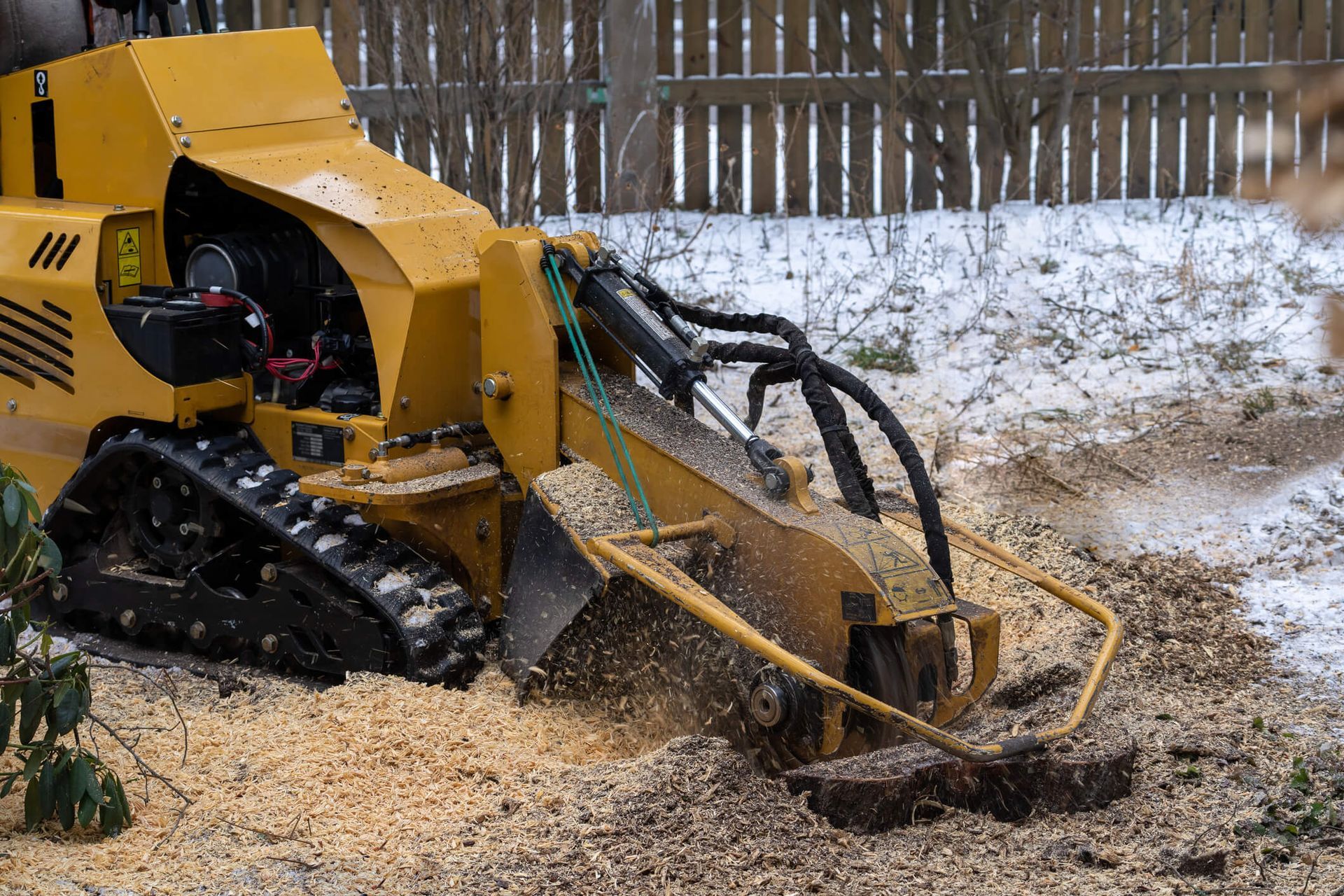
Stump grinding is an available service to prevent pests like termites from nesting in decaying wood. This clears the space for new landscaping and ensures the root systems stop spreading toward foundations or walls. - Does homeowners insurance cover the cost of tree removal?
Standard policies usually cover removal only if a storm causes the tree to fall on a structure. Proactive removal of a standing hazard is typically an out of pocket expense, but it prevents denied claims due to maintenance neglect. - What is the best time of year to schedule a tree removal?
While work happens year round, late winter is ideal. Trees are dormant, making the trunks lighter and easier to manage. This timing also prevents the spread of certain infections and ensures the yard is ready for spring growth. - Is a permit required to remove a tree on private property?
Permit requirements vary by city and species. Many local areas protect heritage trees. Navigating these regulations is essential to avoid fines and ensure the tree management plan complies with all local environmental and safety laws. - How long does the professional tree removal process take?
Most residential jobs are completed in a single day. Complex cases involving power lines or tight spaces between buildings may take longer. Safety and efficiency remain the priority to minimize disruption to the family and neighbors. - Can a diseased tree be saved with treatments instead of removal?
In some cases, yes. If the infestation or decay is caught early, specialized treatments can restore tree health. A full assessment determines if the tree's integrity can be salvaged safely without risking the surrounding area. - What happens to the wood and debris after the tree is removed?
Multiple options exist: debris can be hauled away, branches can be chipped for mulch, or the trunk can be cut into firewood for the owner. The goal is a clean landscape that leaves the property looking better than when the project began. - How close to a house can a tree safely grow?
Generally, large trees should be at least 15 to 20 feet from homes. This prevents root issues with foundations and keeps falling limbs from damaging the roof or siding during high winds or a severe storm. - Does removing a tree impact the value of the property?
Removing a dead or dangerous obstruction actually increases curb appeal. While healthy trees add value, a high risk tree is a deterrent to buyers. Proactive removal shows the property has been maintained with proper attention.
You might also like