What Happens If You Don't Remove a Dead Tree?
A dead tree standing in your yard might not seem like an urgent problem at first. It is still upright, it is not bothering anyone, and removal costs money. So why not just leave it there for a while? The answer is that a dead tree is one of the most serious hazards on a residential property, and the longer you leave it in place, the worse the risk becomes. From structural collapse to pest infestation, and from property damage liability to the consequences of ignoring a dead tree, the consequences of ignoring a dead tree can be far more costly than the removal itself.
At SYS Tree Service, we have served homeowners across Charlestown, Indiana, and the greater Louisville metro area for over 27 years. We see the results of delayed tree removal every season, and we want to help you understand exactly what is at stake when a dead tree is left standing on your property.
1. The Tree Becomes a Serious Structural Hazard
The most immediate and dangerous consequence of leaving a dead tree in place is the risk of sudden structural collapse. A living tree has a strong, flexible internal structure: its wood is actively maintained by the tree's own biological processes. The moment a tree dies, that maintenance stops. The trunk, branches, and root system begin to break down, and the tree's structural integrity deteriorates steadily over time.
Dead wood becomes brittle and unpredictable. Unlike a healthy tree, which bends under wind load, a dead tree's branches and trunk are prone to sudden, catastrophic failure. In many cases, there is no warning before a large limb or the entire tree comes down. The danger is especially serious when the tree is located near a house, a fence, a driveway, a vehicle, or any area where people spend time.
Why Dead Trees Fall Without Warning
The internal wood of a dead tree rots from the inside out. By the time you can see visible cracks or soft spots in the trunk or at the base, the tree may already be critically compromised. Some of the most catastrophic tree failures happen with trees that appear stable from the outside but are hollow or extensively rotted internally. This is one of the key reasons that a professional tree health assessment by a qualified arborist is so important for any tree you suspect may be dead or dying.
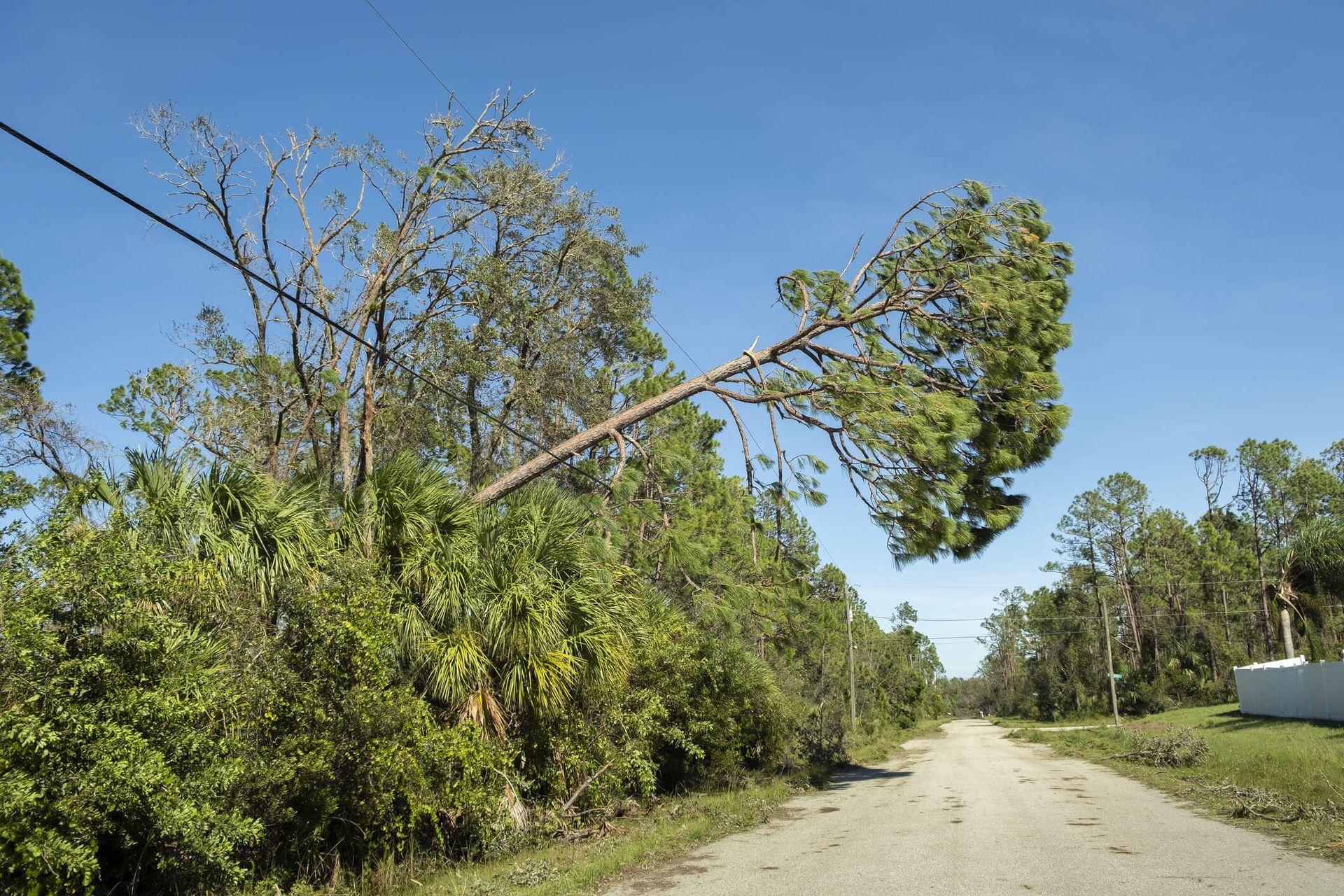
High winds, ice storms, heavy rain, and dry conditions that increase fire risk dramatically increase the danger posed by dead trees. Indiana and the Louisville metro area experience significant weather events throughout the year, and a dead tree that might stay standing through a calm summer can come down very quickly in one severe storm. For guidance on how weather events affect tree stability, see our post on how weather affects trees.
Important: If a dead tree is located within falling distance of your house, a neighbor's property, a public road, or any structure, it should be treated as an urgent safety hazard and assessed by a professional immediately. Do not wait. Contact our team for emergency tree removal services if the tree poses an immediate danger.
2. It Can Cause Serious Damage to Your Property and Structures
When a dead tree or its branches fall, the resulting property damage can be extensive and expensive. Falling limbs and trunks can damage roofs, gutters, windows, fences, vehicles, outdoor structures, and landscaping features. In some cases, a falling tree can cause severe damage, making part of a home uninhabitable.
Beyond the obvious risk of the tree falling, dead trees also cause progressive damage through their root system. Even after a tree dies, its roots continue to decay underground. As the roots break down, they can create voids and instability in the soil beneath driveways, sidewalks, patios, and foundations. Over time, dead and decaying roots can undermine the structural stability of hard surfaces and even affect a home's foundation. For more on this risk, see our in-depth post on how tree roots affect foundations.
The branches of a dead tree are often the first parts to fail, and even a single large branch falling can cause significant damage to a roof or fence. Unlike a living tree, where branch failures are generally gradual or follow visible stress signals, dead branches can snap off cleanly without any warning, especially in cold weather when the wood contracts.
3. Dead Trees Attract Pests and Spread Disease to Healthy Trees
A dead tree is essentially a large, slow-moving food source for a wide range of wood-boring insects and other pests. Once a tree dies, insects move in quickly to colonize the decaying wood. The most common and destructive include bark beetles, emerald ash borers, carpenter ants, and termites. In many cases, a pest infestation begins in a dead tree and then spreads to healthy trees nearby, as well as to wooden structures on your property, such as decks, fences, and the structural wood of your home.
Beyond insects, dead trees also become primary vectors for fungal diseases and wood rot. Fungi thrive in dead, moist wood, and once established, many tree diseases can spread through the soil via the root system to healthy trees in the same area. Some fungal diseases, such as Armillaria root rot, are particularly aggressive and can devastate an entire landscape if one infected dead tree is left in place for too long.
If you have noticed mushrooms or fungal growths at the base or on the trunk of a tree, this is one of the clearest signs that serious internal decay is underway. Read our tree disease identification guide and our post on common tree pests and solutions for more details on what to look for and how to respond.
Key fact: According to the United States Forest Service, insect infestations and disease are among the leading causes of tree mortality across the United States, and a single dead or dying tree left in place can accelerate the spread of both to surrounding trees and structures on your property.
4. You Face Real Legal Liability If the Tree Injures Someone or Damages a Neighbor's Property
This is the consequence that surprises people most: if you know a tree on your property is dead and you do not remove it, you can be held legally liable for any damage or injury it causes. In most states, including Indiana, a property owner has a legal duty of care to maintain their property in a reasonably safe condition. A dead tree that you are aware of, or that a reasonable person should have been aware of, is considered a known hazard.
If that tree falls onto a neighbor's property and damages their house, fence, or vehicle, you may be responsible for the cost of repairs. If the tree or one of its branches falls on a person and causes injury, the liability exposure can be severe. In some cases, homeowners have faced significant legal and financial consequences for delaying tree removal after being made aware of the hazard.
Even if you were not previously aware that the tree was dead, many courts have found that property owners should conduct reasonable and regular inspections of the trees on their property. Ignorance is not always a complete defense. This is why routine tree maintenance and inspection are such an important part of responsible property ownership. See also our tree inspection checklist and tree removal laws guide for more on your legal responsibilities as a property owner in Indiana.
5. Your Homeowners Insurance May Not Cover You
Many homeowners assume that their property insurance will cover any damage caused by a fallen tree. In some cases, this is true, but insurance coverage for tree damage has important limitations that most people do not fully understand until they file a claim.
Most standard homeowners' insurance policies will cover damage to your home from a fallen tree if the cause was a sudden, unforeseeable event such as a storm. However, if the insurer can establish that the tree was already dead or visibly unhealthy before it fell, and that the homeowner knew or should have known about its condition, the claim may be denied on the grounds of negligence. Insurance companies regularly investigate tree damage claims, and a dead or visibly decayed tree is exactly the kind of thing their adjusters look for.
In short, leaving a dead tree standing is not just a physical risk; it is a financial one. The cost of professional tree removal is almost always far less than the cost of repairing storm damage to a home or facing a denied insurance claim. For more on this topic, read our post on tree removal insurance.
6. Decay and Rot Spread Through the Soil and Affect Surrounding Growth
Dead trees do not just stay dead and contained. The process of decay actively spreads into the surrounding soil and root system, affecting the health and growth of nearby plants, grass, and other trees. As a dead tree's root system breaks down, it releases compounds into the soil that can alter the soil chemistry and create conditions that harm other plants and negatively affect the surrounding environment.
Fungal decay in particular spreads through the soil via fungal networks, and some species of fungi are capable of infecting healthy trees through shared root contact or through spores released from the decaying wood. This is especially concerning in landscapes where trees are planted close together, or in wooded areas of a property where root systems may be intertwined.
There is also the matter of the space the dead tree occupies. A standing dead tree becomes an obstruction that blocks sunlight and takes up ground space that could otherwise support healthy plant growth and landscape value. Once removed, the area can be reclaimed: new trees, shrubs, or ground cover can be planted in its place, and the overall health and appearance of the landscape typically improves significantly.
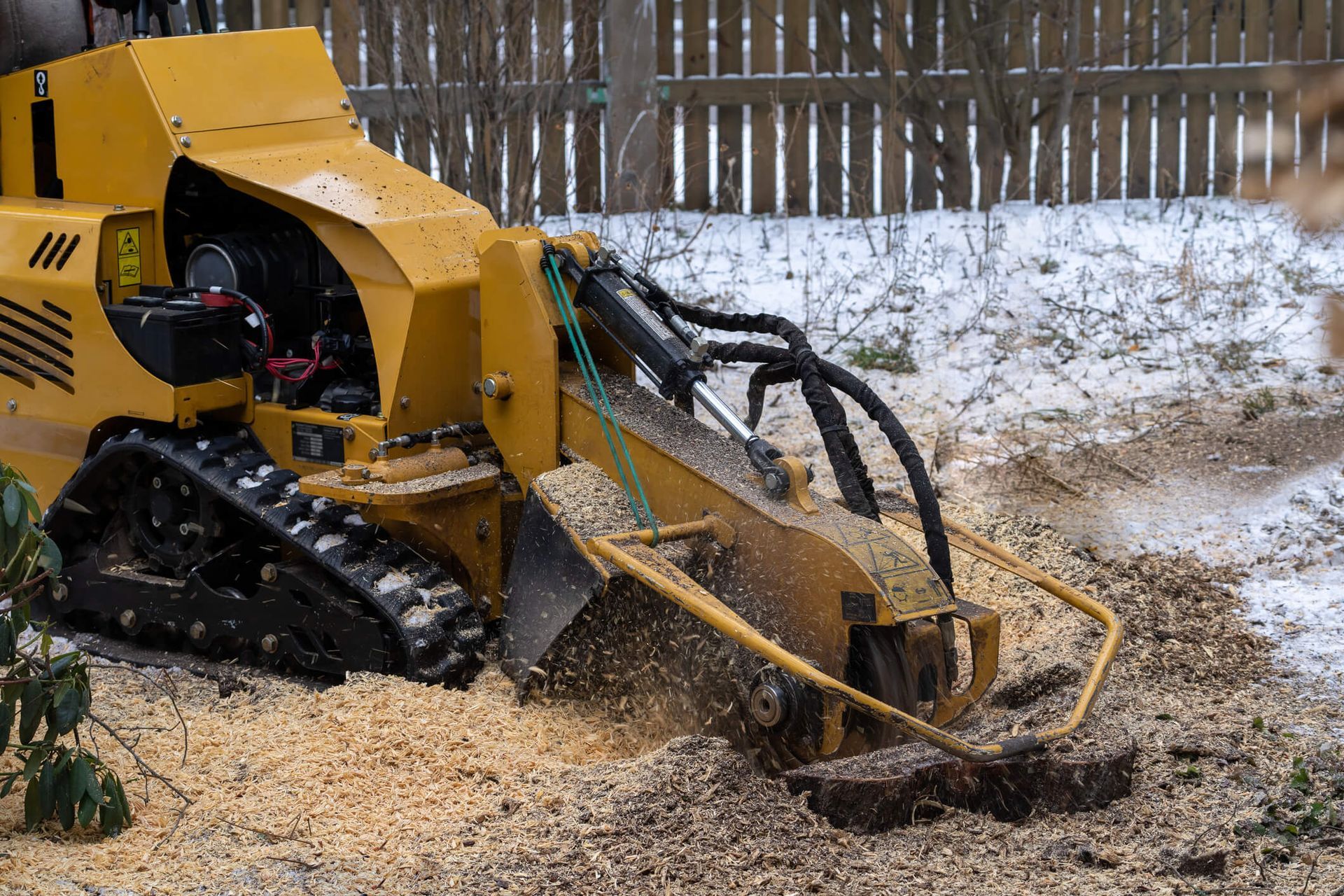
After removal, stump grinding is an important follow-up step because the stump and remaining root system will continue to decay, attract pests, and potentially harbor fungal disease if left in the ground. Read our post on how soon after stump grinding can you plant to plan the next steps for that area of your landscape.
7. Dead Trees Can Attract Unwanted Wildlife
While dead trees do provide some value as wildlife habitat in managed forest environments, a dead tree in a residential landscape is a different situation entirely. The cavities and soft, decaying wood of a dead tree are attractive to a range of wildlife that most homeowners would rather not have on their property, including raccoons, squirrels, opossums, and various bird species that excavate cavities for shelter and nesting.
More concerning is that dead trees are also prime habitat for large wasp and hornet colonies, which build nests inside hollow trunks and large cavities in dead branches. A dead tree near a place where children or pets spend time is a meaningful safety risk for this reason alone. Some wildlife species that shelter in dead trees, including certain bats and birds, are protected under federal law, which can complicate removal if you wait too long and an active nest or colony becomes established.
8. A Dead Tree Hurts Your Property Value and Curb Appeal
Beyond the safety and liability concerns, a dead tree has a measurable negative impact on the value and visual appeal of your property. A standing dead tree, especially one with bare branches or visibly decaying wood, is one of the first things potential buyers, neighbors, and visitors notice about a landscape. In some cases, a dead tree can actually reduce a property's assessed value or make it harder to sell.
Well-maintained trees, by contrast, are one of the best natural assets a property can have. According to the Arbor Day Foundation, mature, healthy trees can add 10 to 15 percent to a property's value. Keeping your landscape in good health, which includes removing dead trees promptly, is one of the most straightforward ways to protect that value. Explore more ideas in our post on tree landscaping ideas.
How to Tell If a Tree Is Dead: Key Signs to Watch For
Not every tree that looks unhealthy is dead, and not every dead tree is obviously so. Here are the most reliable signs that a tree may be dead or dying and in need of professional assessment:
- No leaves or foliage during the growing season, when nearby trees of the same species are fully leafed out
- Bark that is peeling, falling off in large sections, or has deep cracks across wide areas of the trunk
- Fungal growths, mushrooms, or bracket fungi growing at the base of the tree or on the trunk
- Large dead branches throughout the canopy, sometimes called a "widow's peak" pattern at the top of the tree
- Visible decay, soft spots, or hollow sections in the trunk or at the base
- Insect damage signs, such as small holes in the bark, sawdust-like material at the base, or extensive woodpecker activity on the trunk
- A significant lean that has developed recently or worsened over a short period of time
- Cracks in the trunk or at major branch unions that have grown or deepened
If you notice one or more of these signs, do not wait. Have the tree assessed by a professional arborist as soon as possible. For a complete reference guide, read our signs a tree needs to be removed and our tree inspection checklist.
Can You Ever Leave a Dead Tree in Place?
In some specific situations, there is a case for leaving a dead tree standing. In remote or wooded areas of a property, away from structures, walkways, and areas where people spend time, a dead tree can provide genuine value as a wildlife habitat: woodpeckers, small owls, and other cavity-nesting birds use dead trees extensively, and the decaying wood feeds insects that support the broader food chain.
However, this decision should be made only after consultation with a qualified arborist who can assess the actual risk level based on the tree's location, size, species, and degree of decay. The factors that matter most are: how far the tree can reach if it falls, whether people or structures are within that fall radius, and how advanced the internal decay is. In most residential settings, the risk level is simply too high to justify leaving a dead tree standing.
There is also a middle-ground option in some cases: converting the dead tree into a standing snag by removing the crown and hazardous upper portions while leaving a shorter, more stable trunk section. This reduces the danger while preserving some habitat value. A professional arborist can advise whether this is appropriate for your specific tree and location.
What to Do If You Have a Dead Tree on Your Property
If you believe a tree on your property is dead or dying, here are the steps to take:
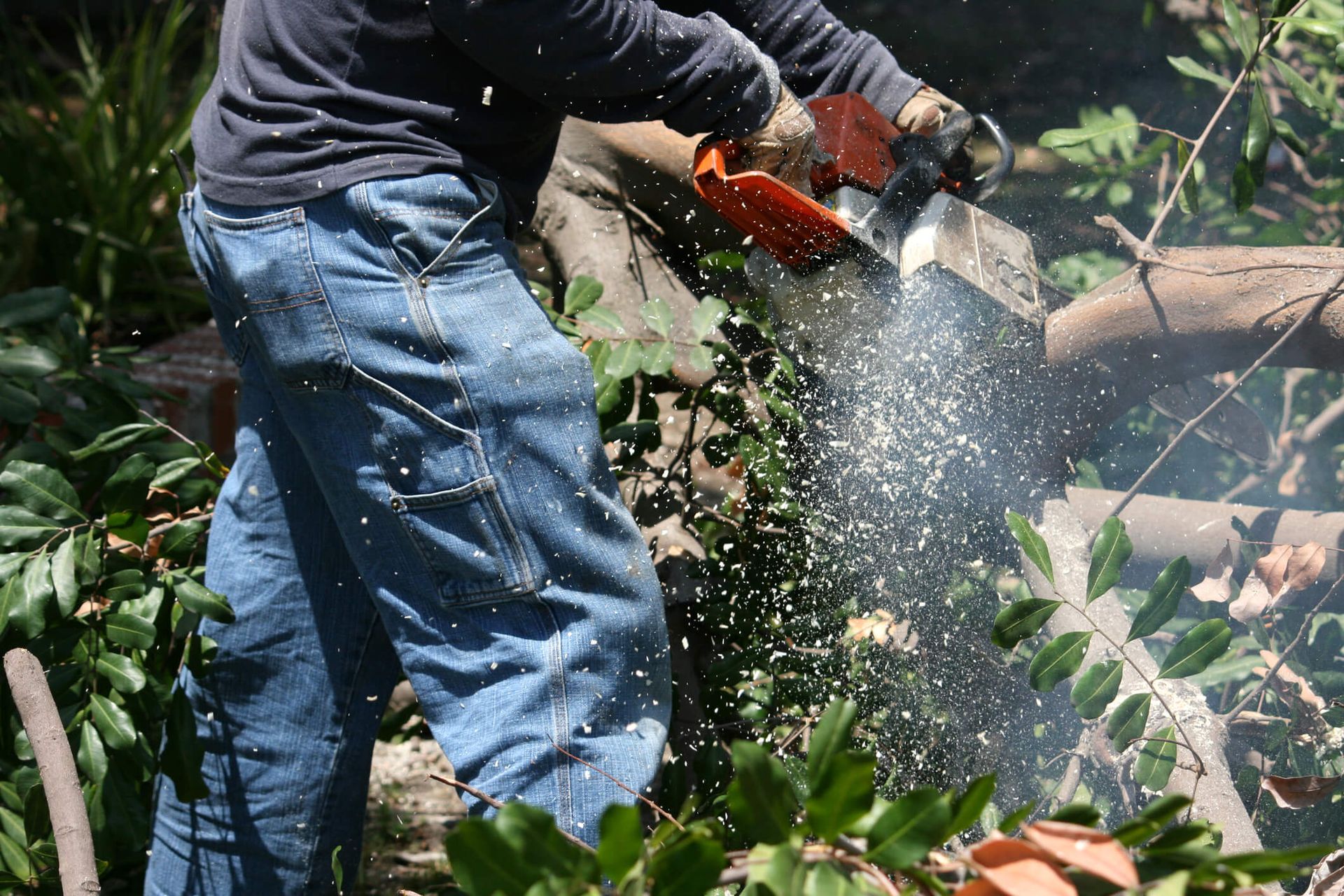
- Do not attempt to assess or remove a large dead tree yourself. Dead trees are unpredictable and far more dangerous to work on than living trees, as the wood is brittle and can break unexpectedly during cutting. Even experienced homeowners can be seriously injured attempting this job without professional equipment and training.
- Contact a certified arborist or professional tree service for an assessment. An arborist can confirm whether the tree is dead, assess the extent of decay, and advise on the safest removal approach for your specific situation. Learn more about what to look for when choosing a tree service company.
- If the tree is near your home or a neighbor's property, notify your homeowners' insurance provider before removal so they are aware of the situation. Document the tree's condition with photographs.
- Check whether a tree removal permit is required in your Indiana municipality. Requirements vary by location. Your tree service provider can usually advise on this.
- Once the tree is removed, schedule stump grinding to eliminate the remaining root system, prevent pest infestation of the stump, and reclaim the space in your landscape.
Why Professional Tree Removal Is the Only Safe Way to Remove a Dead Tree
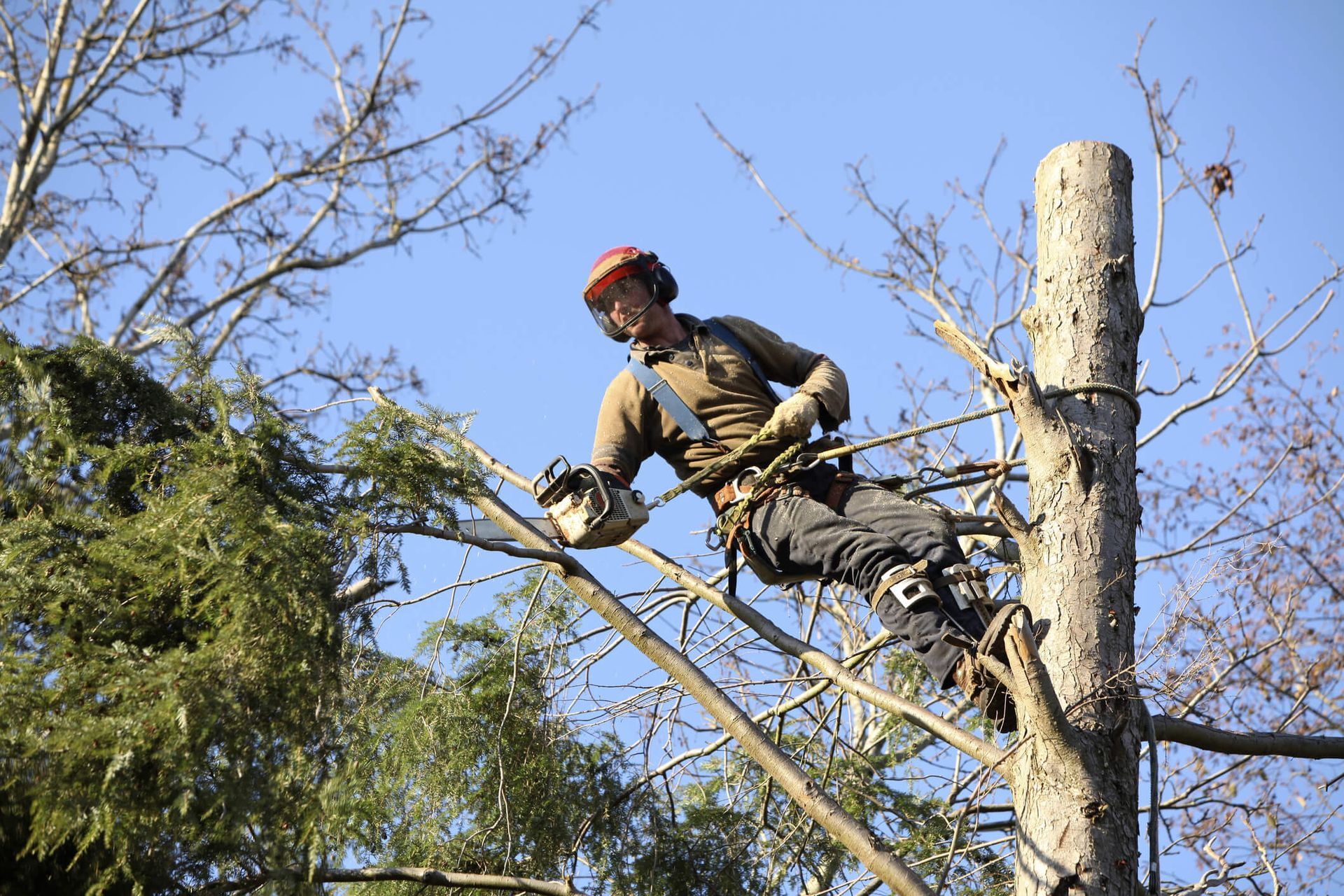
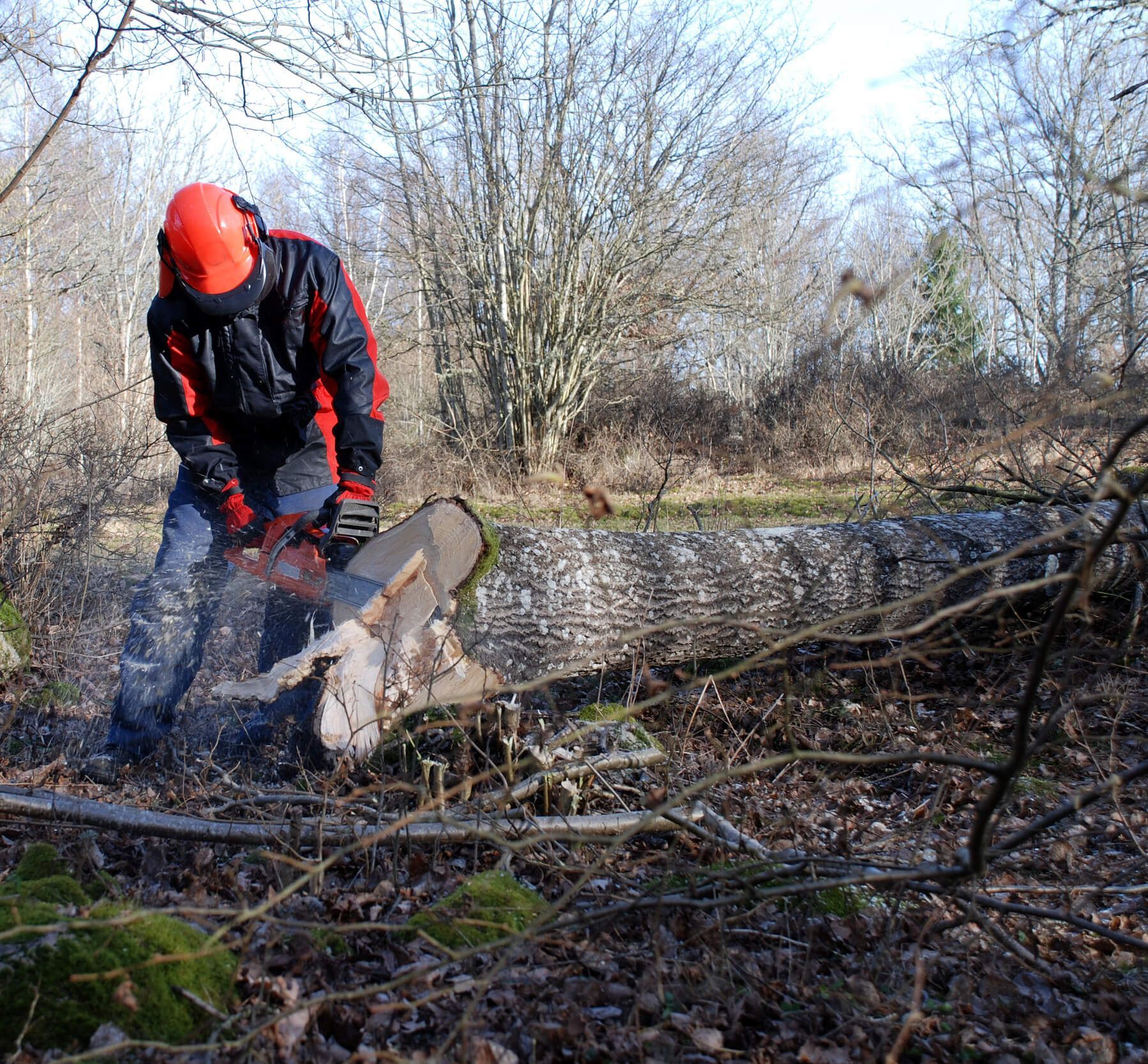
Removing a dead tree is not a DIY job for most homeowners, and it is especially not one to hand to someone with a chainsaw and no experience. Dead tree removal is one of the most technically demanding and dangerous jobs in the tree service industry, precisely because the wood is unpredictable. Professional tree service companies use a combination of specialized equipment, rigging techniques, and years of experience to control how a dead tree comes down, protecting the surrounding structures, landscape, and people in the area throughout the entire process.
At SYS Tree Service, our team has over 27 years of experience handling tree removals of all sizes and complexity across Charlestown, Indiana, and the greater Louisville metro area. We are fully licensed and insured, and we bring the right equipment and expertise to every job. Whether it is a straightforward removal in an open area or a difficult take-down close to a house or fence, we have the experience and the process to do it safely and efficiently.
Read more about our approach in: why you should call professionals for tree removal, tree removal safety checklist, and the tree removal process explained.
Frequently Asked Questions About Dead Tree Removal
How long does a dead tree take to fall on its own?
There is no reliable timeline. Some dead trees stand for several years before falling; others come down within months of dying, especially in severe weather. The rate of decay depends on the species, the tree's size, the local climate, soil moisture levels, and whether insects and fungi have colonized the wood. The unpredictability is exactly what makes a dead tree so dangerous: you cannot assume it will stay standing just because it has so far.
Is a dead tree always a hazard?
Not always in every location, but in most residential settings, yes. The key factors are the tree's location relative to structures, walkways, and gathering areas; the tree's size; and the extent of internal decay. A small dead tree in a remote corner of a large property may pose minimal risk. A large dead tree within falling distance of a house, fence, driveway, or neighbor's property is a serious hazard that should be removed promptly.
Who is responsible if a dead tree falls on a neighbor's property?
In most cases, the owner of the property where the tree was rooted bears responsibility if it can be shown that the tree was known to be dead or hazardous before it fell. If a neighbor has previously notified you in writing that a dead tree on your property concerns them, that notification can be used as evidence that you were aware of the hazard. Indiana property law holds landowners to a standard of reasonable care, which includes maintaining trees that pose foreseeable risks to others.
Can I remove a dead tree myself?
For very small trees, perhaps under 15 feet tall and located well away from any structure, a capable homeowner with the right tools and safety knowledge might safely manage the removal. But for any dead tree of significant size, professional removal is strongly recommended. Dead wood is brittle and unpredictable; a chainsaw cut that would behave predictably in a living tree can cause a dead trunk or limb to split or kick back without warning. The risk of serious injury is real, and the cost of a professional removal is almost always far less than the cost of a trip to the emergency room or damage to your property.
How much does dead tree removal cost?
The cost of dead tree removal varies depending on several factors: the size of the tree, its location relative to structures and obstacles, the extent of its decay, and the equipment required to safely remove it. A small dead tree in an open area typically costs less than a large one near a house or one that requires specialized rigging. For a detailed breakdown of what influences pricing, read our post on the cost of tree removal explained. The best way to get an accurate number for your specific situation is to contact SYS Tree Service for a quote.
What is the difference between a dead tree and a dying tree?
A dead tree has no living tissue remaining and will not recover under any circumstances. A dying tree still has some living tissue but is in serious decline due to disease, pest infestation, structural damage, or environmental stress. Both require urgent professional attention, but a dying tree may sometimes be saved with proper treatment and care if caught early enough. An arborist can assess which situation you are dealing with and advise on the best course of action. See our tree disease identification guide and tree health assessment guide for more.
Do Not Wait: Contact SYS Tree Service Today
A dead tree left standing is a hazard that gets worse every single day. The decay deepens, the structural stability diminishes, the pest infestation grows, prevention becomes more difficult, and the risk of sudden collapse increases. The cost of professional tree removal now is almost always far less than the cost of dealing with the damage, injury, or legal liability that results from waiting too long.
SYS Tree Service has served Charlestown, Indiana, and the greater Louisville metro area for over 27 years. We are fully licensed, insured, and experienced in handling dead tree removal of all sizes and complexities, from straightforward removals in open areas to difficult jobs close to homes and other structures. Our team brings the right equipment, training, and process to every job.
Ready to schedule a removal or get a professional assessment? Contact SYS Tree Service today or call us directly at 502-724-6950. We are available Monday through Friday, 6:30 am to 5:00 pm, and we respond promptly to all inquiries. For urgent situations, see our emergency tree removal services.
You might also like