Who is Responsible for Fallen Tree Removal?
Updated August 8, 2026
It's unsettling to imagine a tree crashing onto a house. Even when no one is hurt, the structural and property damage can run into thousands of dollars in repairs and replacement costs. It's also hard to know how long a tree has stood on a property, since most come with the land when you buy it, which makes it easy to overlook one until a storm brings it down. When that happens, the natural question is: whose job is it to remove it?
The short answer is that responsibility usually comes down to where the tree fell and who owned the property it fell from. Here's how that plays out in practice.
The General Rule
In most states, you're only liable for damage a tree causes to someone else's property if you knew, or reasonably should have known, that the tree was dead or dying before it fell. That typically means the decline was visible, such as a tree with no leaves in the middle of summer. Other warning signs include:
- Brittle, brown, or yellowing leaves or needles during the growing season, especially high in the canopy
- An unusual number of fallen or broken branches
- Missing patches of bark
- Visible fungus growth
- Small holes bored into the trunk by insects
- Roots that appear cut, exposed, or slimy
- A pronounced lean in one direction
You generally aren't held responsible for hidden damage that only a professional arborist could have detected. But if you're aware of a hazardous tree on your property, the safest move is to have it addressed. Waiting can leave you liable for whatever damage the tree causes when it eventually falls.
Laws Vary by State and City
Tree liability rules differ from one state, and even one municipality, to the next. Homeowners in denser urban areas are sometimes held to a higher standard of care for trees along property lines than rural landowners are, since more people and structures are within range if something falls. Your city's forestry or arborist department can tell you what applies where you live.
The general guidelines below hold true across most of the country, with one exception worth flagging: a tree on public land, like a park, sidewalk, or street tree, is presumed to belong to the municipality unless local records say otherwise.
Who Pays for Removal: Private, Public, and Shared Property
- Private property. If a tree falls anywhere on your property, removing it is generally your responsibility, whether the tree was healthy or already dying. If it caused damage, you can typically file a claim with your homeowners insurance. And if a tree that originated on your land falls onto a neighbor's yard, you're still the one responsible for its removal, not your neighbor.
- Public property. Trees that fall in parks, along sidewalks, or on streets are usually removed by the local government, since these are public spaces maintained for community use. Most municipalities have a specific department for tree maintenance you can report a hazard to.
- Shared or boundary property. When a tree sits on a property line and falls, the owners on either side often split the removal cost. Because this varies more than the other two cases, it's worth checking your local ordinances or talking to your neighbor directly to reach an agreement.
If you're unsure which category applies to your situation, a local arborist or your municipality's tree department can usually clarify it faster than trying to interpret the ordinance yourself.
When a Neighbor's Tree Falls on Your Property
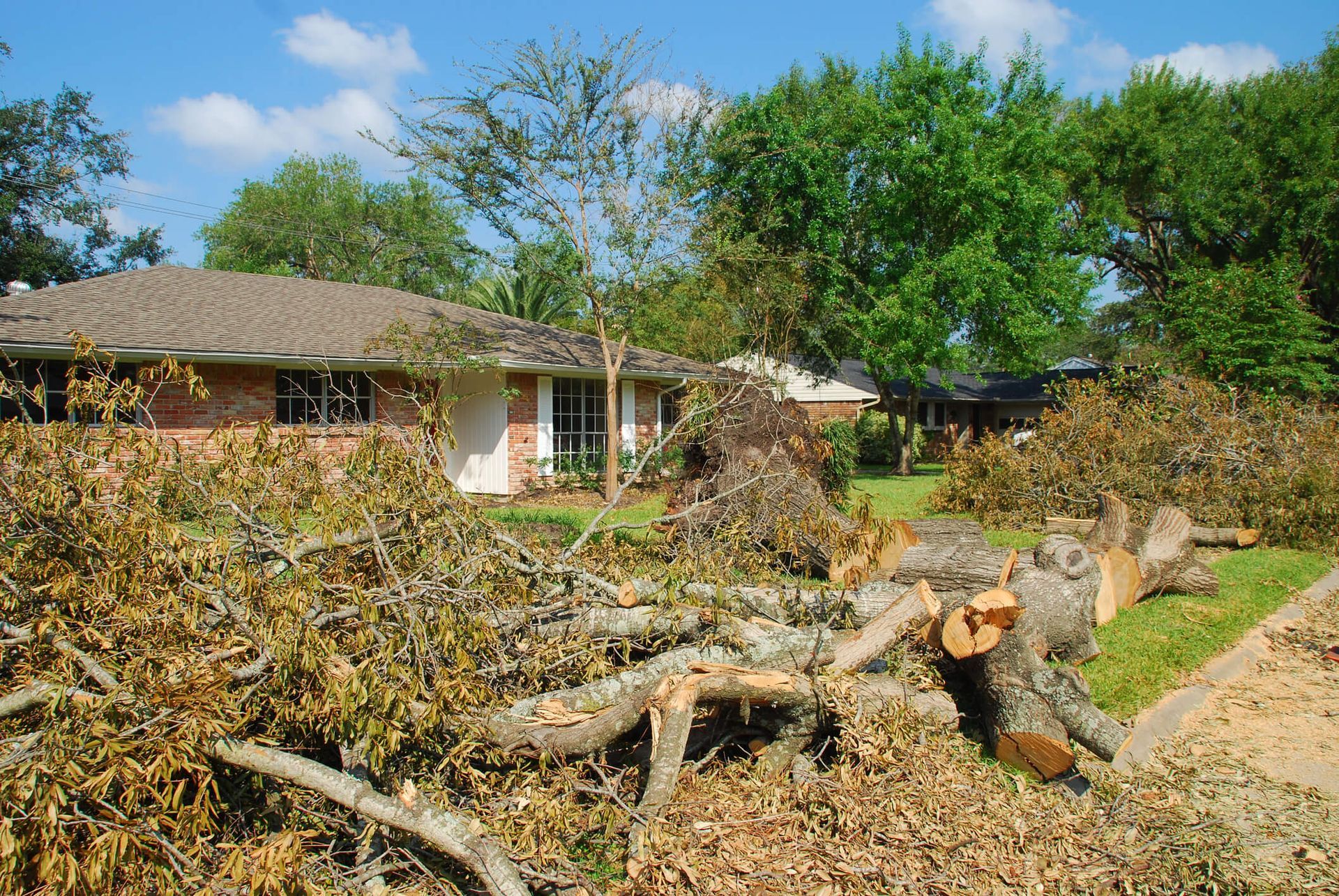
A few steps can help you sort out responsibility and cost when a tree that isn't yours ends up in your yard.
Call your homeowners insurance first, once everyone is confirmed safe. Encourage your neighbor to call their insurer too, since the two policies may end up coordinating on the claim.
Document the tree's condition. Photograph any signs of disease or decay before cleanup begins. If the tree was clearly unhealthy, that documentation can support a negligence claim against your neighbor later, if it comes to that.
Bring in a professional tree removal service, ideally one experienced with insurance claims, since they can often coordinate directly with your insurer to speed things along.
Check any remaining trees on the shared property line. If the tree that fell was diseased, others nearby may be too. If you spot signs of decline in a neighbor's other trees, put your concerns in writing so you have a record, in case a future claim depends on it.
Even when the situation is frustrating, it's worth keeping communication with your neighbor calm and factual. Most people would rather prevent a second incident than deal with the fallout of another one.
What Homeowners Insurance Typically Covers
Standard homeowners insurance generally covers tree damage when the tree fell due to a covered peril, such as fire, lightning, or severe weather like wind, hail, ice, or heavy snow. According to the Insurance Information Institute, a typical policy covers damage to your home and its contents when a tree hits an insured structure, regardless of who owned the tree, and it does not matter whether it fell from your yard or a neighbor's.
Coverage is usually narrower when the tree didn't damage anything. If a tree lands on open lawn without touching your house or another structure, you may have to pay for removal out of pocket. Policies also typically cap tree removal costs, often in the $500 to $1,000 range per tree, so check your specific policy for the exact limit. If you live somewhere prone to earthquakes or flooding, you may need separate supplemental coverage for tree damage caused by those events specifically, since standard policies often exclude them.
What Happens Without Homeowners Insurance
Without a policy in place, you're responsible for the full cost of repairs or removal. That can be significant: replacing a roof after a tree strike commonly runs from $5,700 to $12,300, depending on the extent of the damage.
If You're Renting
If your landlord's tree, or a neighbor's, falls on a rental property, both the landlord's and your renters insurance may come into play. It's best to contact both insurers as soon as possible so an adjuster can determine which policy covers which costs.
When a Neighbor May Be Liable for Negligence
Your neighbor's insurance is generally responsible for damage to your property if their tree fell due to negligence, meaning they knew, or should have known, that the tree posed a risk and didn't act on it. If your property wasn't damaged, though, you'll likely still be the one paying for cleanup.
Under negligence law, a neighbor may be liable if the tree that fell was:
- Visibly dead or rotting for an extended period before it fell
- Missing large limbs or branches that were clearly dead, diseased, or dangerously close to your property
- Obviously diseased and left untreated
- Infested with pests that went unaddressed
Proving negligence isn't always straightforward, and pursuing it can strain a neighbor relationship even when you're in the right. If you and your neighbor can't reach an agreement informally, treat a negligence claim as a last resort rather than a first step; it typically requires documentation, and possibly legal counsel, to succeed.
Building Your Case
If it comes to that, written records help most: photos of the tree's condition over time, any prior written requests that your neighbor address a hazardous tree, and, if possible, confirmation from neighbors who witnessed the same warning signs. Keeping your own trees pruned and documented protects you too, since a neighbor could raise the same argument against you.
Removing a Fallen Tree From a Neighbor's Property
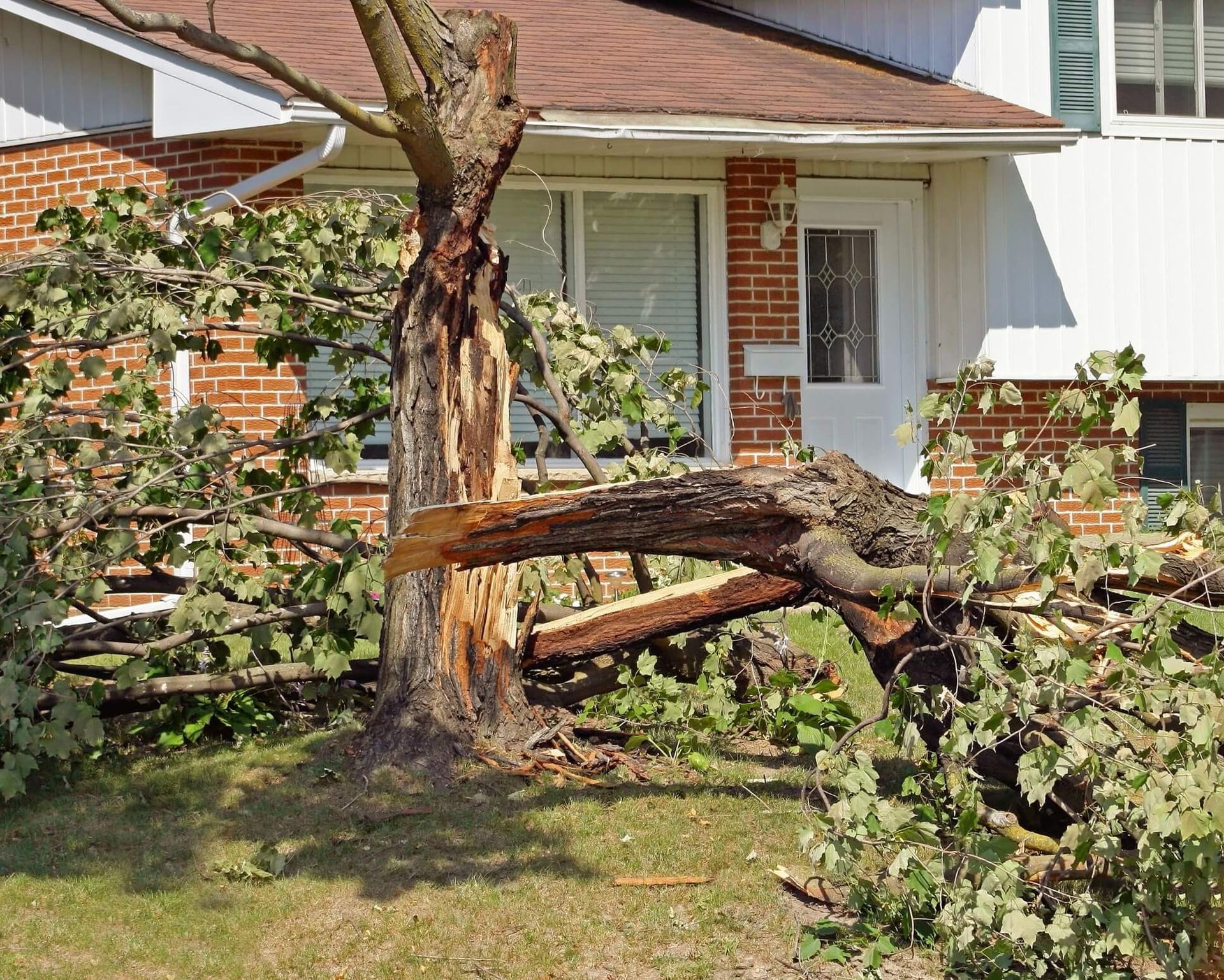
Before filing an insurance claim, you'll usually need a tree removal professional to clear the debris. Some tree companies work directly with insurers after major storms, but in most cases, you and your neighbor will need to coordinate your own arrangements.
Whoever handles the removal should be a licensed, insured, and bonded tree care professional. That protects you if the crew is injured on your property, and an experienced contractor is generally more efficient at working with your insurance company than a general handyman would be.
Recognizing a Hazardous Tree Before It Falls
Catching a problem tree early is far less costly than dealing with the aftermath. Along with the warning signs listed earlier, checking a tree's structure periodically, especially after storms, can help you spot decline before it becomes a hazard. The Alabama Cooperative Extension System has a useful breakdown of the structural defects arborists look for, including cracks, root damage, and wood decay, if you want a more detailed guide to evaluating a tree yourself before calling a professional.
The Bottom Line
Trees add real value to a property, but they can also become a serious liability when they're not maintained. A few things to keep in mind:
- If a tree falls on your property, or your property is damaged, your homeowners insurance is generally the first call.
- If a neighbor's tree damages your property, their insurance typically covers repairs and cleanup.
- If you know a tree on your land is hazardous and don't have it removed, and it later causes damage, you could be liable.
The reverse is also true: if your neighbor knew about a dying tree and ignored it, you may have grounds to hold them responsible.
Get Help With a Fallen Tree
If you're dealing with a fallen tree, understanding who's responsible for its removal can save you time, money, and a difficult conversation with a neighbor. SYS Enterprises Tree Services has spent more than 27 years handling tree removal in Charlestown, Indiana, including storm cleanup, stump grinding, and coordination with homeowners insurance. If a storm just came through and you need help fast, our emergency tree removal crew can typically respond the same day. Contact us or call (502) 724-6950 to get started.
FAQs: Who Is Responsible for Fallen Tree Removal
What should I do if a tree falls on my property?
Make sure everyone is safe first, then contact a tree removal service to assess and clear it. Photograph the damage before cleanup if you plan to file an insurance claim.
Will my homeowners insurance cover tree removal?
Usually, if the tree caused damage to your home or another insured structure. If it fell without causing damage, you'll likely cover removal costs yourself, subject to your policy's terms.
What factors determine who is responsible for a fallen tree?
Mainly where it fell and who owns that property. A tree that falls on your land is generally your responsibility to remove, regardless of who owned the tree originally.
How can I tell if my neighbor is liable for a fallen tree?
If the tree was visibly dead, diseased, or neglected before it fell onto your property, your neighbor may be liable. Documentation of the tree's condition beforehand strengthens that claim.
What if a tree on a shared boundary falls?
Responsibility is often split between both property owners. Check local regulations, and where possible, agree on next steps with your neighbor directly.
Are there local regulations for fallen tree removal?
Yes. Rules vary by city and state, so check with your municipality for specifics on liability and any permit requirements before removing a tree yourself.
Can I file a claim if my neighbor's tree falls on my property?
Yes, through your own homeowners insurance. If negligence can be shown, your insurer may also pursue your neighbor's insurance company to recover costs.
What if the fallen tree didn't cause any damage?
You'll likely need to cover removal yourself. Some policies include limited coverage for this scenario, so it's worth checking before assuming it's out of pocket.
What are the signs of a hazardous tree?
Brittle or discolored leaves, excessive dead branches, missing bark, fungus growth, insect holes, or a noticeable lean. Any of these are worth a professional look.
How can I prevent tree hazards on my property?
Inspect your trees periodically, especially after storms, and have a certified arborist assess anything that looks questionable. Regular maintenance catches most problems before they become expensive ones.
You might also like