What Situations Are Tree Removal Services Needed?
Updated July 27, 2026
There will undoubtedly be a time when you need tree removal services if you're a homeowner with trees on your property.
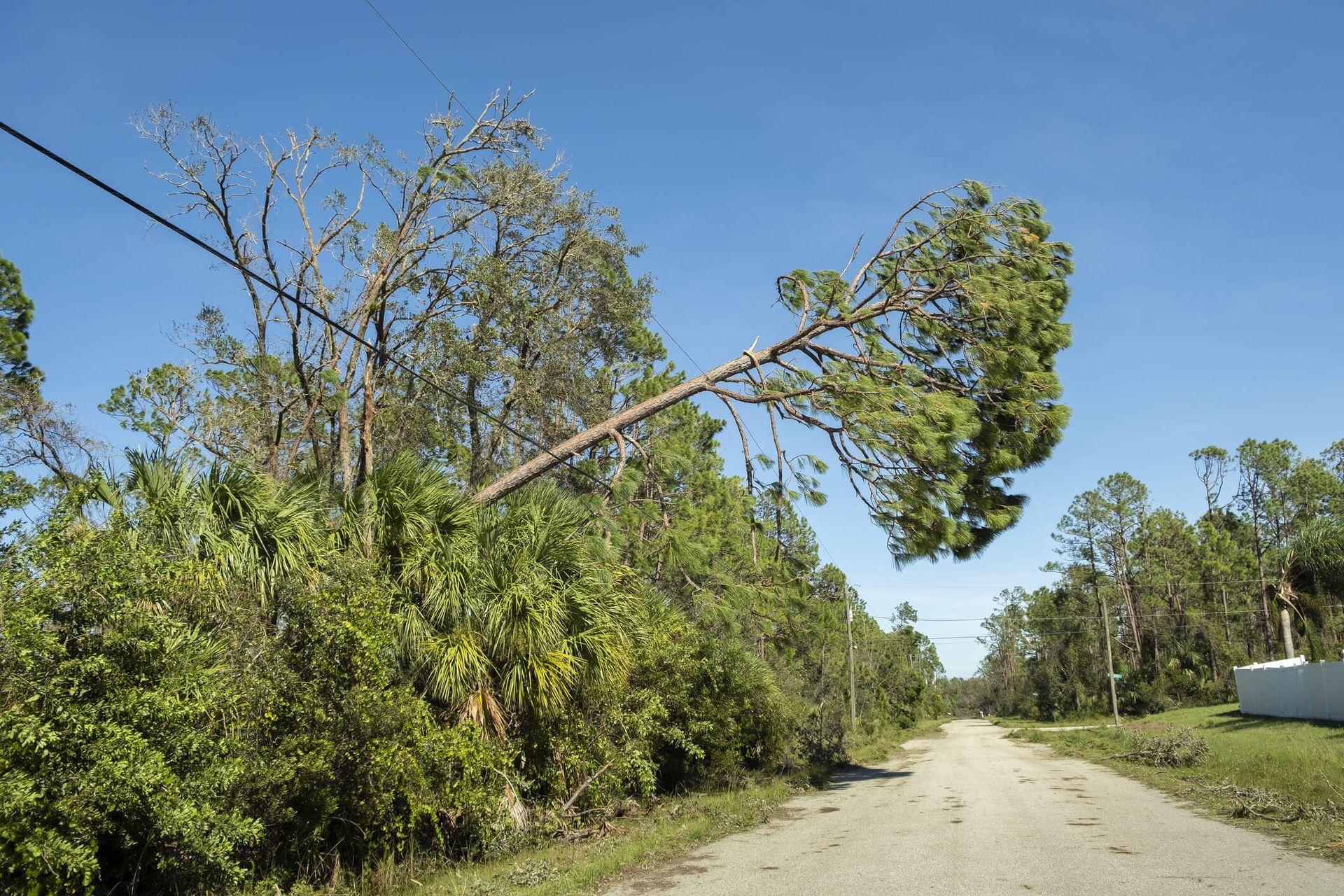
When a tree needs to be trimmed or removed, tree removal services are required. Tree care services also provide stump removal, arborist reports, and tree inspections. With storm-damaged or fallen trees, tree removal services may occasionally be required in an emergency situation.
In this article, we'll explore some of the most common situations where tree removal services are needed, as well as the importance of working with a qualified and experienced tree removal company.
Types of Tree Removal Services
There are several types of tree removal services you can consider:
Complete tree removal. This type involves cutting down the entire tree and removing it from the property.
Tree trunk removal. In some cases, a tree may have fallen or been cut down, but the trunk is left behind. This service involves removing the trunk from the property.
Stump grinding. After a tree is cut down, a stump may be left behind. Stump grinding uses specialized equipment to grind the stump below ground level, making it easy to cover with soil and plant grass over the area.
Tree limb removal. This involves removing individual branches or limbs that are dying, dead, diseased, or pose a dangerous risk to people or property.
Emergency tree removal. In the event of a storm or other emergency, a tree may need to be removed quickly to prevent further damage. This service prioritizes trees that pose an immediate threat.
It's important to hire a professional tree removal service to ensure that the work is done safely and efficiently. A professional will have the expertise and equipment necessary to remove the tree without damaging surrounding structures or the environment.
Tree Removal
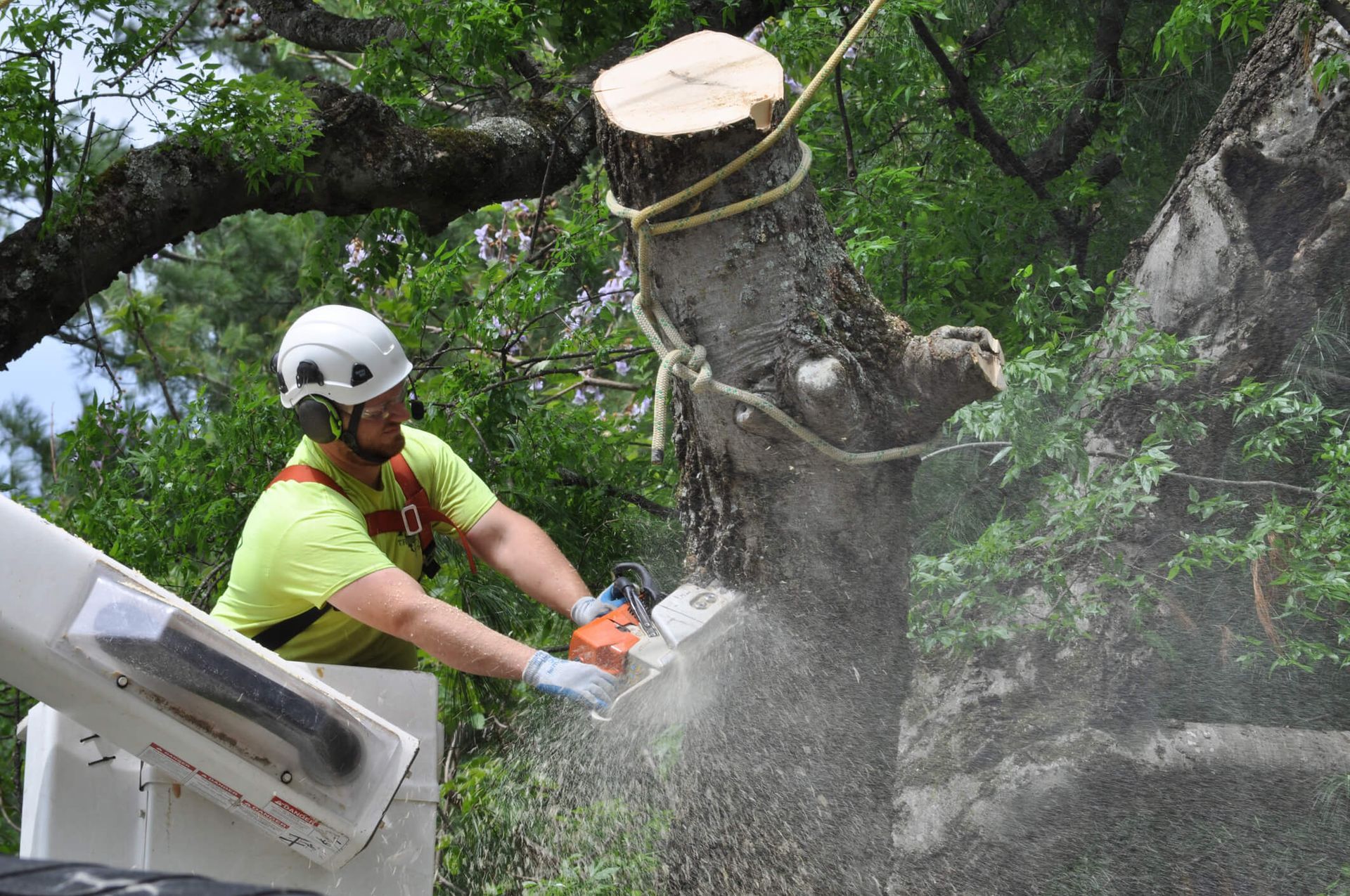
A tree may need to be completely removed for a number of reasons. Removing a mature tree safely requires experience, specialized equipment, and powerful tools such as chainsaws. A professional tree removal service is required for trees bigger than a single-story house.
A tree removal service will also advise you on how to dispose of the tree afterward and how to secure any necessary permits. If the tree can be salvaged, a qualified arborist may do an assessment and offer options besides removal.
Situations That Call for Tree Removal
Tree removal comes up for a wide range of reasons, and it's worth knowing what to watch for before a situation becomes an emergency:
Dead, dying, or diseased trees. Dead trees can drop branches or fall unexpectedly, and diseased trees weaken and become unstable over time. Either poses a real risk to people and property and should be removed by a professional.
Pest infestations. Trees infested with pests or disease can spread the problem to nearby trees if left unaddressed. In Southern Indiana specifically, the Emerald Ash Borer has been devastating local ash trees for years, an infestation is typically fatal without chemical treatment, and once a tree's canopy loses more than about 30% of its coverage, removal is usually the only remaining option. If you have ash trees on your property, it's worth having them checked even if they look healthy.
Structural issues. Large cavities, weak branch attachments, or a visibly leaning trunk are all signs of instability, especially dangerous during high winds or storms.
Storm damage. Trees damaged in a storm or high winds may need removal to prevent further property damage or injury. Ahead of storm season, it's also worth having tall or unstable trees assessed and trimmed proactively rather than waiting for damage to happen.
Interference with structures. Trees growing too close to homes, power lines, driveways, or sidewalks may need to be removed to prevent structural damage or blocked access.
Property damage from roots. Roots that have lifted a sidewalk, driveway, or foundation are a sign the tree needs to come out before the damage spreads further.
Overcrowding. When trees grow too close together, they compete for water, nutrients, and light, which can lead to weaker, less healthy trees across the whole group. Removing some trees can improve the health of the ones that remain.
Erosion. Trees that have contributed to soil erosion, rather than preventing it, may need to be removed to stabilize the surrounding soil.
Landscaping, construction, or renovation needs. Trees may need to be removed to make room for new construction, a new garden, or other outdoor plans.
Aesthetic reasons. If a tree detracts from a property's appearance or blocks a desired view, removal may simply come down to preference.
Whatever the reason, tree removal should always be handled by a trained and experienced professional, it's a task that can be genuinely dangerous when done without the right equipment and technique.
Tree Removal Costs
Tree removal costs can vary widely based on factors such as tree size, species, accessibility, and the equipment required. Taller, larger trees generally cost more to remove because they often require additional labor, specialized tools, and careful planning to ensure the job is completed safely.
Safety Considerations for Tree Removal
Tree removal can be a dangerous task that requires careful planning and execution to protect people, property, and the environment. Here are some safety considerations to keep in mind:
Assess the situation. Before starting, assess the site for potential hazards such as power lines, buildings, or other structures in the way. Determine the direction the tree will fall and make sure it's clear of obstacles.
Proper equipment and gear. Chainsaws, ropes, and ladders should all be in good working condition, and whoever's operating them should know how to use them properly.
Proper training. Safe tree removal requires understanding the physics of tree felling, safe equipment use, and established safety protocols.
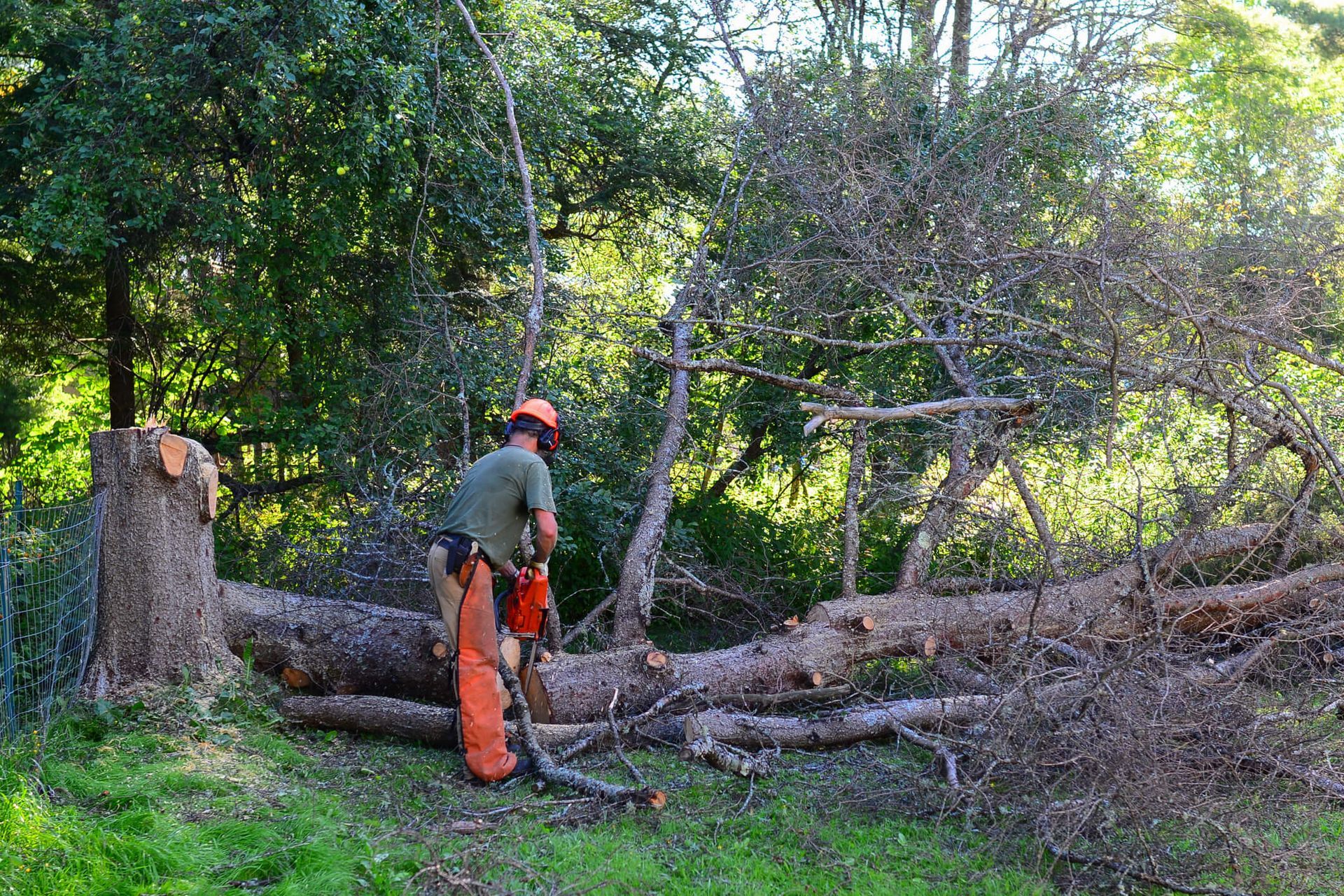
Safety gear. Hard hats, eye and ear protection, safety shoes, and chainsaw chaps or pants all matter for reducing injury risk.
Communication. Everyone involved should know their role, with clear communication established between team members throughout.
Clear the area. Keep people, pets, debris, and obstacles out of the work zone.
Controlled tree removal. Use ropes or other equipment to guide the tree's fall direction, don't rely on its natural lean.
Professional help. When in doubt, it's always best to bring in a professional tree removal service with the experience, equipment, and training to do the job safely.
Conclusion
Tree removal services are needed in a variety of situations where a tree poses a potential risk to people or property. Whether it's a dead, dying, or diseased tree, a tree with hazardous branches, or one that's in the way of construction or landscaping plans, professional tree removal can help mitigate the risk and ensure a safe removal. It's important to consult with a licensed and insured tree removal service to assess the situation and determine the best course of action. Timely, professional tree removal helps protect your property and keep your family safe.
Are you dealing with an overgrown, dead, or dangerous tree on your property? Don't wait for the situation to get worse. Contact us right away at SYS Enterprises Tree Services, a professional tree services company in Charlestown, IN that specializes in tree removal, stump grinding and removal, and other tree services. Whether you need a tree removed due to storm damage, disease, decay, or to clear space, our experts can help. Schedule your tree removal service today.
FAQs: What Situations Are Tree Removal Services Needed?
1. What are the signs that a tree needs to be removed?
Signs include dead or dying branches, a leaning trunk, significant leaf loss, and visible decay or disease. If a tree poses a safety hazard, it should be removed.
2. Can I remove a tree myself?
While it's possible, tree removal can be dangerous and complex. Hiring a professional tree removal service is advisable to ensure safety and proper technique.
3. How much does it typically cost to remove a tree?
The average cost to remove a tree in the U.S. is around $871, but prices can range from $225 to $3,900, depending on tree size, type, and location.
4. What should I expect during the tree removal process?
Expect an initial assessment, followed by careful planning to ensure safety. The tree will be cut down, and the area will be cleaned afterward. Stump removal or grinding may also be included.
5. Is tree removal covered by homeowners insurance?
Typically, homeowners insurance covers tree removal if the tree causes damage to your property. It's essential to check your specific policy for details and coverage limits.
6. What happens to the stump after tree removal?
After removal, you can have the stump ground down, which allows for new growth in that area, or leave it to decompose over time.
7. How do I choose a reputable tree removal service?
Look for licensed and insured companies with positive customer reviews and experienced staff. Ask for quotes and check references before making a decision.
8. What should I do if a neighbor's tree falls on my property?
Contact your insurance provider and your neighbor to assess the situation. If the tree was healthy, your insurance may cover removal costs; your neighbor may be liable if it was dead or diseased.
9. Are there any regulations for tree removal in my area?
Yes, local laws may dictate specific regulations regarding tree removal, especially for protected species or public trees. Check with your municipality for guidelines.
10. How can I prepare my property for tree removal?
Clear the area around the tree of obstacles, and ensure that pets and people are at a safe distance. Discuss any necessary preparations with the tree removal service.
You might also like