What is the Difference Between Tree Trimming and Pruning?
Updated July 23, 2026
Search this question, and you'll get the same answer a dozen times over: trimming is for looks, pruning is for health. That's accurate as far as it goes, but after 27 years working on trees around Charlestown and Southern Indiana, we've found that's rarely the question a homeowner actually needs answered. Most people calling us aren't trying to settle a vocabulary debate; they're standing in the yard looking at a branch or a whole tree and trying to figure out whether this is a quick fix or something bigger.
The Real Question Isn't Trimming vs. Pruning, It's Whether the Tree Can Be Saved
Both trimming and pruning assume the tree is fundamentally healthy and needs shaping or correcting. That assumption doesn't always hold, especially after a Southern Indiana storm season or with a mature tree that's been neglected for years. Before getting into definitions, it's worth knowing that there's a third category these articles rarely mention: trees where trimming or pruning would treat a symptom of something that actually needs to come down. We'll get to how to tell the difference further down, since that distinction matters more than most homeowners realize.
Trimming: What It's For
Trimming is cosmetic maintenance. It's cutting back overgrown branches and foliage to control shape, size, and appearance, whether that's a hedge that's outgrown its space or a tree branch encroaching on a walkway or power line. It's typically done with shears or loppers, doesn't require assessing the tree's internal health, and is something a homeowner with the right tools can often handle on smaller trees and shrubs themselves.
Pruning: What It's Actually Correcting
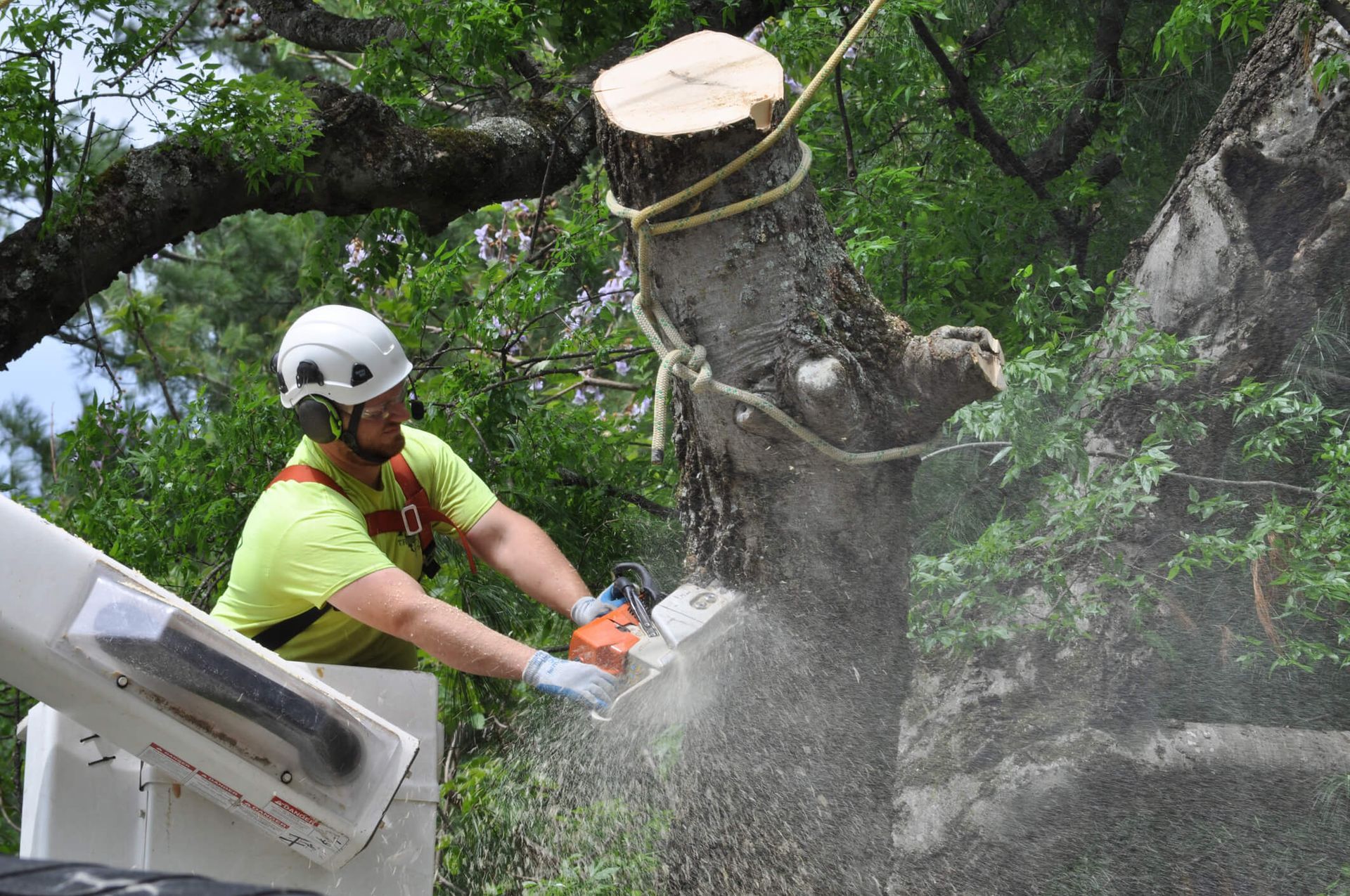
Pruning is a different job entirely. It targets the tree's structure and health: removing dead, diseased, or weakly attached limbs, correcting crossing branches, and reducing risk before a bad limb becomes a bigger problem. It requires understanding branch structure and how a tree responds to a cut, which is why Purdue Extension's pruning guidance is blunt about it: improper cuts create wounds that can seriously damage or even kill a tree, and homeowners should never hire a company that advertises "topping," a practice that looks like aggressive pruning but does long-term structural harm.
When Timing Actually Matters Here
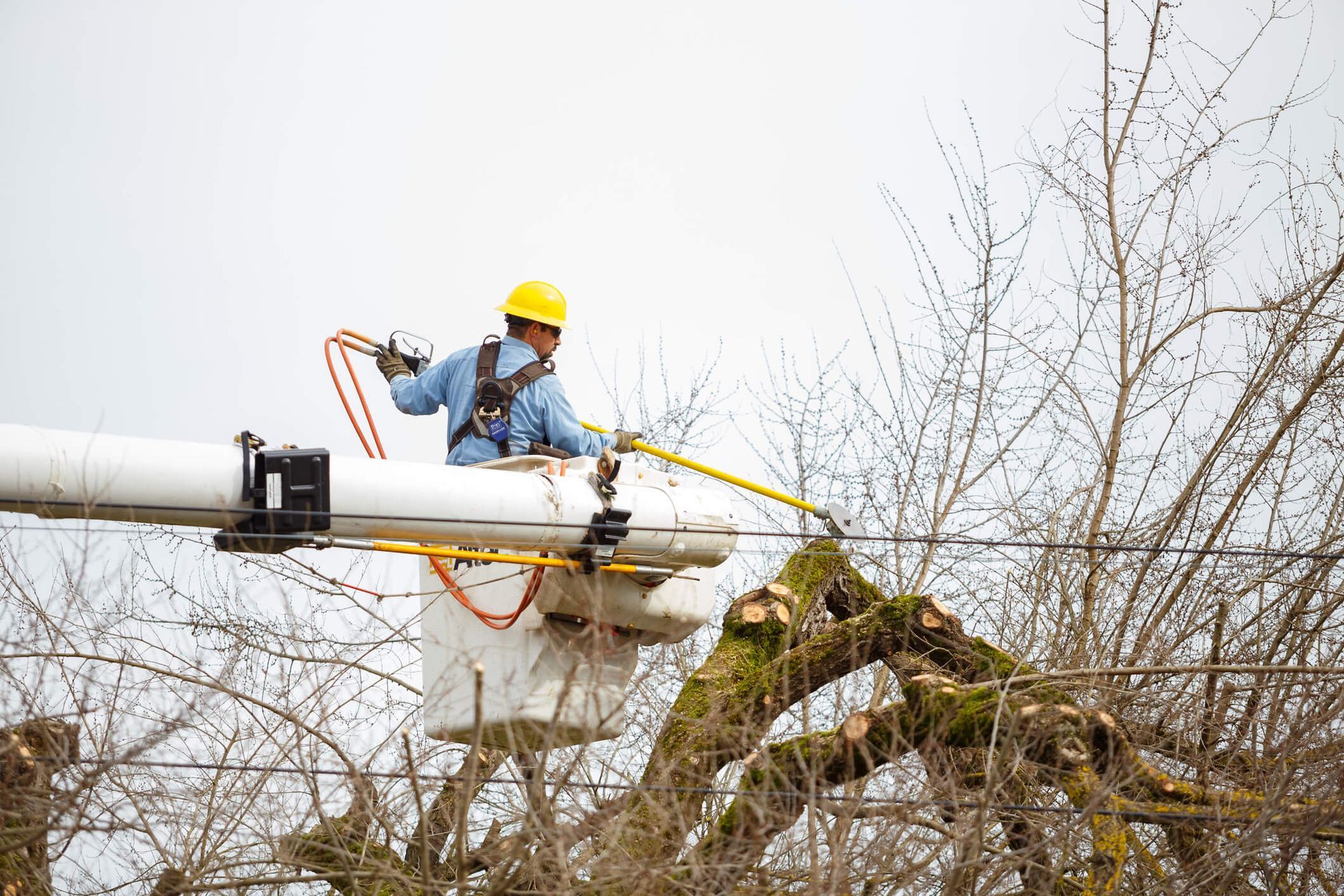
Most guides say trim in the growing season and prune in the dormant season, and that's a reasonable default for Southern Indiana: late winter, before spring growth starts, is when a tree can heal fastest from a pruning cut. But that rule has an exception that matters more than the rule itself: a dead, cracked, or hazardous limb doesn't wait for the right season. If it's a safety risk over a driveway, roof, or power line, it gets addressed immediately, regardless of the calendar.
The Signs That Mean You're Past Pruning
This is the part most articles on this topic skip entirely, and it's the one that actually matters for a homeowner trying to make a decision. A few signs tend to mean a tree has moved past what trimming or pruning can fix:
- More than half the canopy is dead or hasn't leafed out, especially heading into a second growing season.
- Large cavities, deep cracks, or soft, punky wood in the trunk, particularly near the base.
- Mushrooms or shelf-like fungal growth at the base of the trunk or on major roots, which often signals internal decay you can't see from the outside.
- A visible lean that's new or has worsened, especially after a storm, or roots that have lifted or snapped near the surface.
- Recurring large deadwood every year despite regular pruning, which usually means the underlying problem is bigger than what's being cut away.
Any one of these is worth a professional look before deciding between another round of pruning and calling it what it is: a removal.
Why This Comes Up More After a Storm
Southern Indiana gets its share of severe spring and summer storm systems, and storm damage is one of the most common reasons a tree crosses that line. A tree that looked fine and just needed routine pruning in the fall can come out of a windstorm with a split trunk or a compromised root system that isn't obvious from the ground. That's a different job than pruning, and it's usually not one that can wait for a convenient weekend.
Getting a Professional Opinion
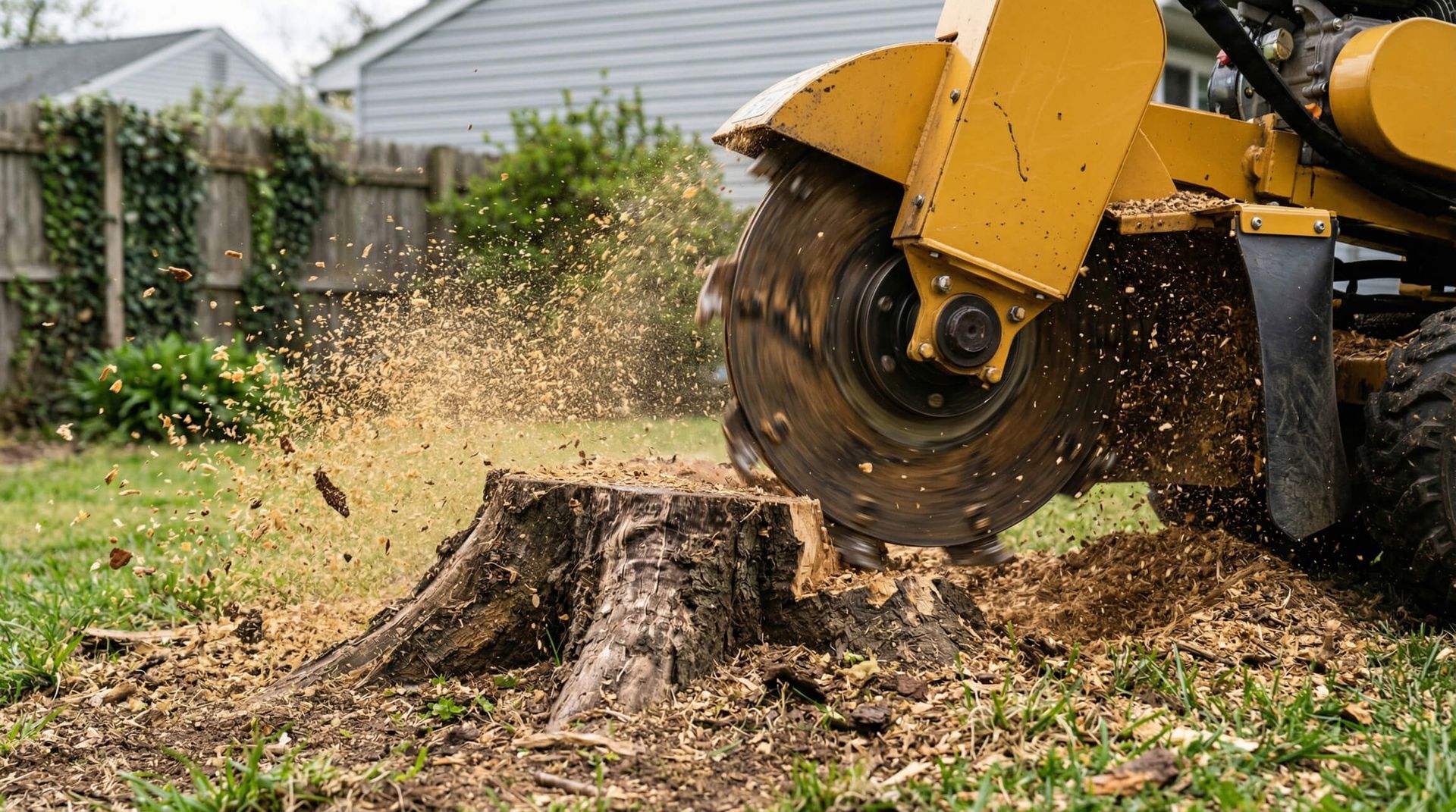
If you're not sure which side of that line your tree is on, that's exactly the kind of call worth making before you or a landscaper starts cutting. SYS Enterprises has spent 27 years assessing trees across Charlestown and the surrounding area, and we can tell you honestly whether a tree needs pruning, needs to come down, or is fine as-is. If it does need to come down, our tree removal team handles it safely, and if a storm has already brought a hazardous limb or tree down, our emergency tree removal line is there for exactly that. Once a tree is gone, stump grinding rounds out the job so your yard isn't left with a hazard or an eyesore. For anything else on your property, our full tree service in Charlestown, IN lineup covers the rest.
Frequently Asked Questions
How often should I trim or prune my trees?
Trimming for appearance is often done once or twice a year depending on the plant. Pruning for health and structure is typically needed every one to three years for most mature trees, though a dead or hazardous limb should be addressed as soon as it's noticed.
Can I trim or prune my own trees?
Smaller trees and shrubs are often manageable with hand tools. Anything requiring a ladder, involving large limbs, or located near power lines should be handled by a professional; the risk of injury or improper cuts that damage the tree isn't worth it.
What happens if I never prune a tree?
Deadwood accumulates, weak or crossing branches stay in place, and the tree becomes more prone to disease and storm damage over time. Left long enough, what would have been routine pruning can turn into a structural problem that requires removal instead.
Is topping the same as pruning?
No. Topping means cutting main branches down to stubs, and it's a practice reputable tree services avoid entirely. It creates large wounds the tree struggles to heal from and often triggers weak, fast-growing regrowth that's more hazardous than the original branches.
How do I know if a tree needs to be removed instead of pruned?
Widespread canopy dieback, large trunk cavities, fungal growth at the base, or a new lean after a storm are all signs a tree may be beyond what pruning can fix. A professional assessment is the safest way to know for certain.
Is tree pruning expensive?
Cost depends on the tree's size, condition, and how much access the crew has to work with. A quick assessment is the best way to get an accurate answer for your specific tree rather than relying on a general estimate.
You might also like