Common Tree Removal Mistakes to Avoid: Complete Guide
Tree removal might seem like a straightforward job, but it involves far more than just cutting a tree down. Without proper planning, safety precautions, and the right equipment, even a small mistake can lead to serious injury, property damage, or long-term issues in your landscape.
For homeowners in Charlestown, Indiana, understanding the most common tree removal mistakes can help you make better decisions and protect your property, your family, and your yard.
In this complete guide, we’ll cover the most common tree removal errors, the risks involved, and the right way to approach tree removal safely.
1. Skipping a Proper Tree Assessment
One of the most common mistakes homeowners make is starting tree removal without a full assessment.
Before any cutting begins, it’s important to evaluate:
- Tree health and signs of disease
- Structural issues in the trunk or branches
- Root stability and ground conditions
- Nearby hazards such as power lines or structures
Failing to assess these factors increases the risk of unexpected fall direction or structural collapse.
2. Using the Wrong Equipment or Tools
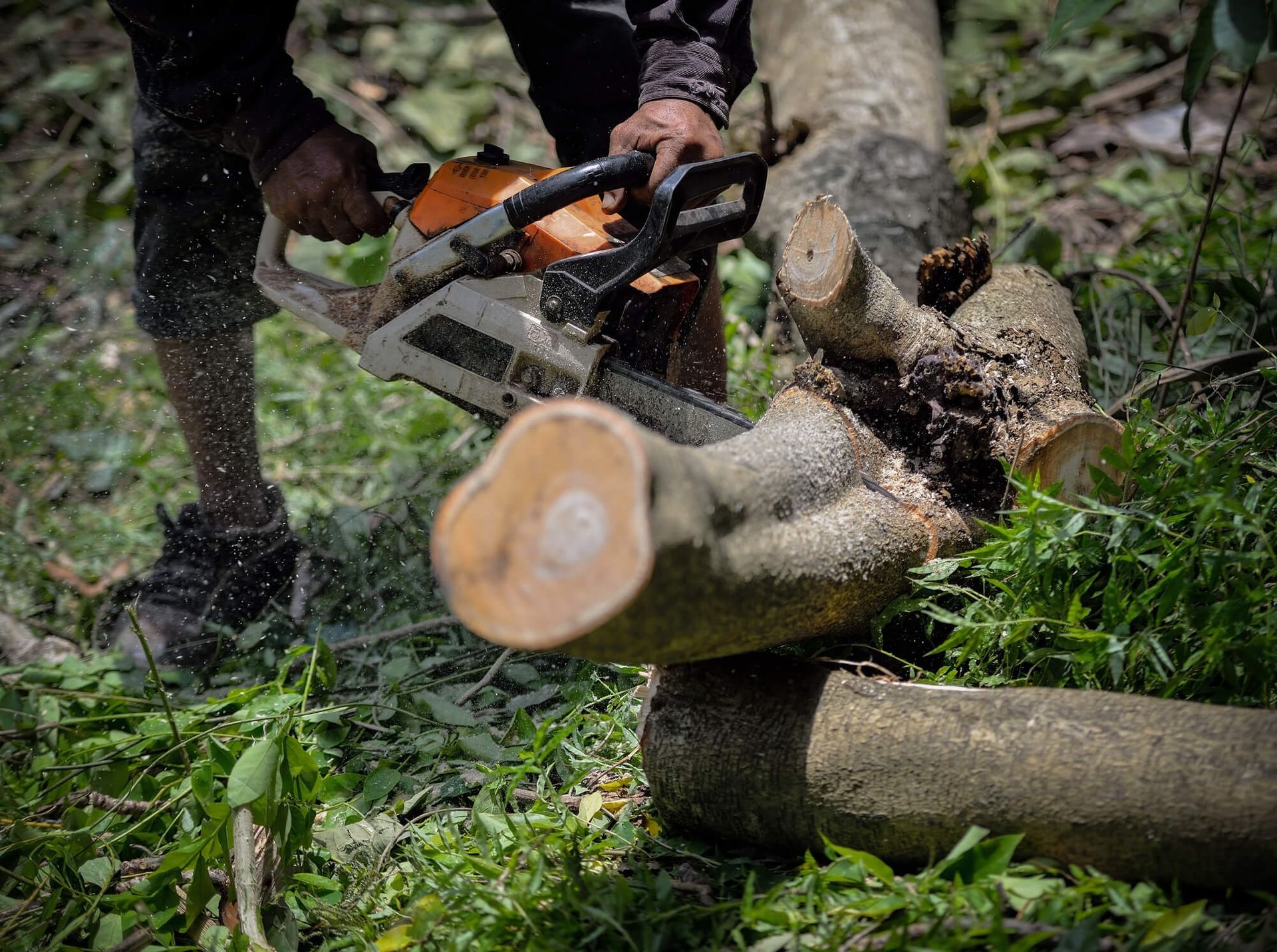
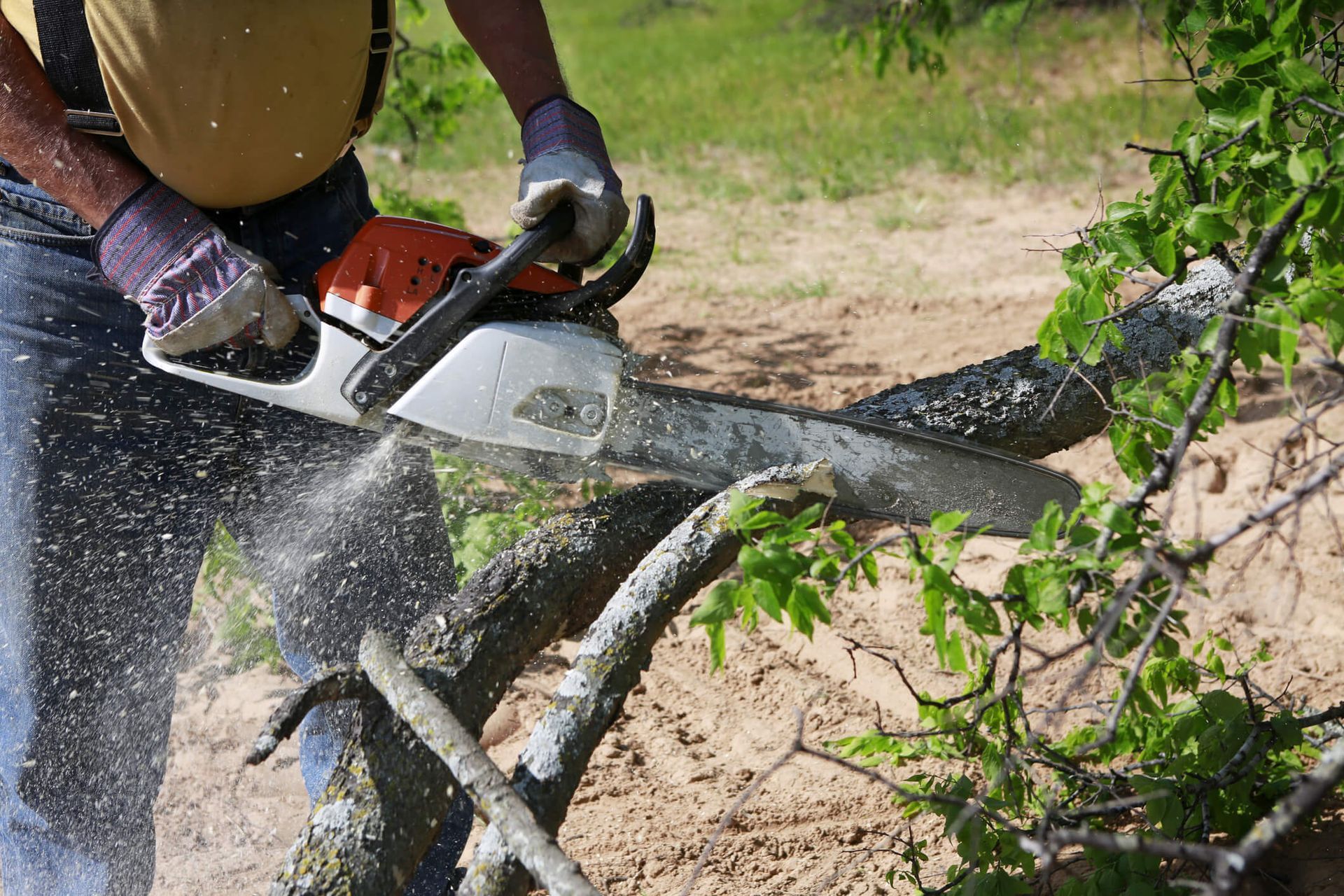
Tree removal requires specialized equipment, not just a basic chainsaw.
Common errors include:
- Using dull or improper tools
- Lack of safety gear
- Not having the right equipment for the tree size or height.
Chainsaws, cutting tools, and safety equipment must be used correctly to reduce the risk of injury. Without proper knowledge and experience, handling these tools can be dangerous.
3. Ignoring Safety Precautions
Safety should always be the top priority during tree removal. Ignoring precautions is one of the biggest risks homeowners face.
Important safety measures include:
- Wearing protective safety gear
- Maintaining safe clearance from people and structures
- Planning escape routes in case the tree falls unexpectedly
- Keeping others away from the area
Skipping these precautions can result in serious injuries or even death in extreme cases.
4. Misjudging the Direction of Fall
One of the most dangerous mistakes in tree removal is incorrectly estimating the direction a tree will fall.
Factors that influence fall direction include:
- Tree lean
- Wind and weather conditions
- Weight distribution of branches
- Cutting angle and technique
A miscalculation can cause the tree to fall onto a house, fences, or nearby structures, leading to significant damage.
5. Improper Cutting Techniques
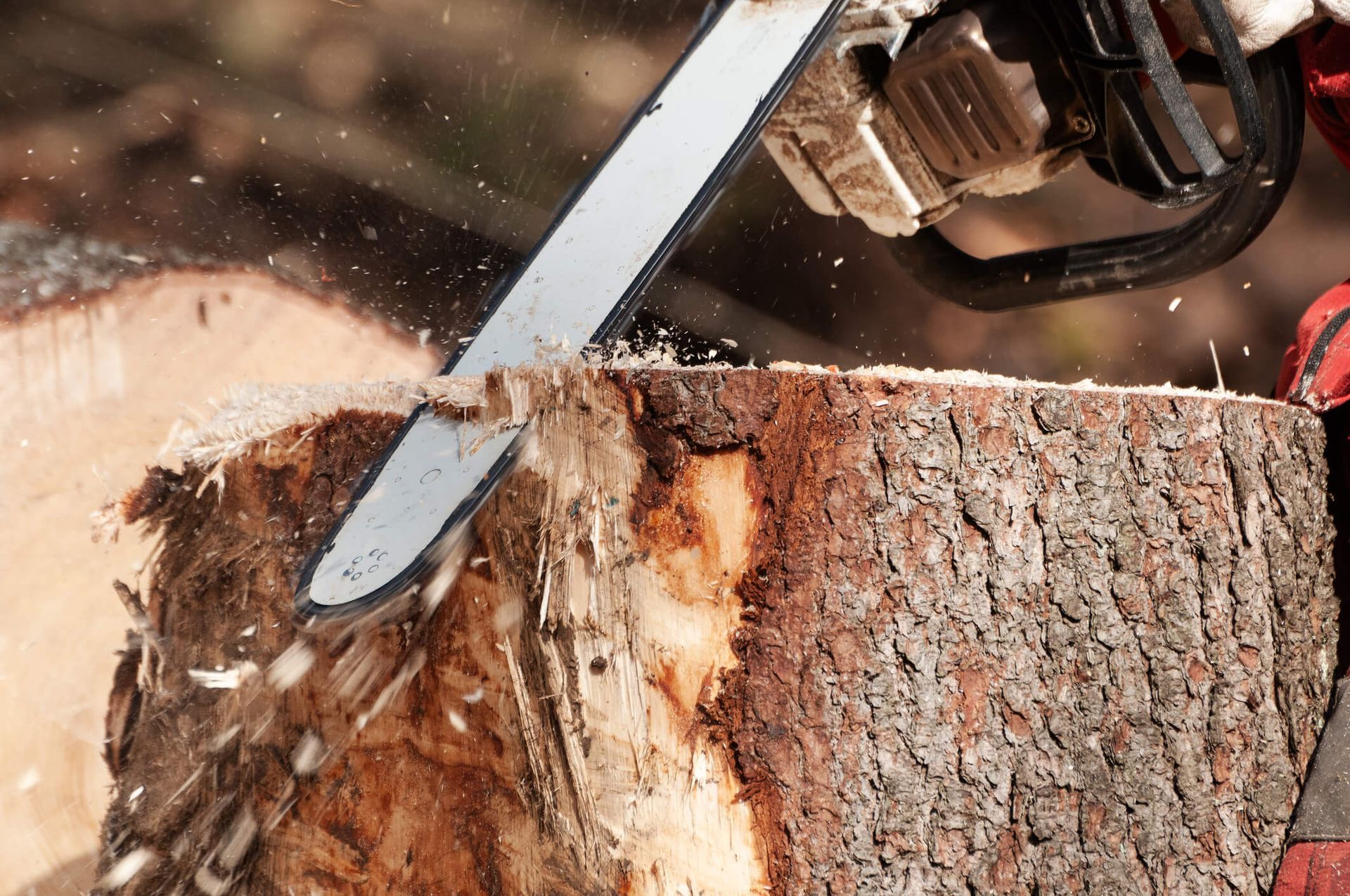
Tree removal is not just about making a single cut. It involves precise cutting techniques that control how the tree falls.
Common cutting mistakes include:
- Incorrect angle of cuts
- Cutting too deep or too shallow
- Not removing branches in sections
- Failing to account for weight distribution
These errors can cause the tree to fall unpredictably or split, increasing the risk of injury.
6. Attempting to Remove Large Trees Without Professional Help
Many homeowners underestimate the risks involved in removing large trees. The bigger the tree, the greater the danger.
Large trees:
- Have more weight and a complex structure.
- Require advanced tools and expertise
- Pose higher risks to people and property
Hiring professionals with experience and proper equipment is often the safest choice.
7. Overlooking Nearby Hazards
Tree removal often occurs in areas with potential hazards.
Common overlooked hazards include:
- Power lines
- Nearby trees or branches
- Fences and structures
- Landscaping features
Failing to account for these hazards can result in unexpected damage or safety risks.
8. Not Handling Debris Properly
After a tree is cut, debris management is an important part of the process.
Common mistakes include:
- Leaving branches and pieces scattered across the yard
- Not removing the stump or stumps
- Failing to clear the ground properly
Debris can create safety hazards, attract pests, and affect the appearance of your landscape.
9. Ignoring Stump Removal
Leaving a stump behind may seem harmless, but it can cause several issues.
Stumps can:
- Attract pests
- Cause regrowth
- Create tripping hazards
- Affect the value of your property
Proper stump removal ensures a clean and safe landscape.
10. Not Following Local Regulations or Permits
In some areas, tree removal requires permits or must follow local regulations.
Homeowners who skip this step may:
- Face fines or legal issues
- Violate environmental guidelines
- Encounter problems when selling their property
Always check local requirements before starting a tree removal project.
11. Removing Healthy Trees Without a Plan
Sometimes homeowners remove trees without considering the long-term impact on their landscape.
Trees provide:
- Shade and cooling
- Environmental benefits
- Property value
Removing a healthy tree without proper planning can affect your yard’s overall balance and appearance.
12. Failing to Consider Tree Health and Disease
Tree removal is sometimes necessary due to disease or pests. However, failing to identify these issues correctly can lead to bigger problems.
Signs of tree health issues include:
- Dead branches
- Discoloration
- Weak structure
- Pest activity
In some cases, proper pruning or trimming may be a better solution than full tree removal.
13. Working in Poor Weather Conditions
Weather plays a major role in the safety of tree removal.
Wind, rain, and unstable ground conditions can:
- Affect the direction of fall
- Increase the risk of slipping or injury
- Make cutting more dangerous
Avoid tree removal during unfavorable weather.
14. Not Using a Step-by-Step Process
Tree removal should always follow a structured process.
This includes:
- Assessment and planning
- Clearing the area
- Cutting branches in sections
- Removing the trunk safely
- Handling debris and stumps
Skipping steps increases the risk of mistakes and accidents.
Why Tree Removal Requires Careful Planning
Tree removal is not just about cutting a trunk. It’s a detailed process that requires proper assessment, tools, and expertise. Every tree has its own structure, weight distribution, and growth pattern, which affects how it should be removed.
Factors like:
- Tree size and height
- Direction of fall
- Proximity to power lines, fences, or a house
- Weather conditions
These factors all play a role in determining the safest way to complete the job while protecting the surrounding environment.
Without proper planning, homeowners in Charlestown, IN can face hazards that lead to injuries or costly damage.
When to Call a Professional Tree Removal Service
In many cases, hiring professionals is the safest and most effective way to handle tree removal.
A professional arborist and tree removal services offer the following:
- Proper equipment and tools
- Knowledge of tree structure and growth
- Experience handling complex cases
- Safe and efficient removal methods
If you are unsure about any part of the process, it’s best to seek expert help.
Benefits of Professional Tree Removal Services
Working with experienced professionals provides several advantages:
- Reduced risk of injury or damage
- Proper assessment and planning
- Compliance with local regulations
- Efficient removal and cleanup
- Long-term care for your landscape
Professionals ensure the job is done correctly and safely.
Final Thoughts
Tree removal is a complex process that requires careful planning, proper tools, and attention to safety. Avoiding these common mistakes can help protect your property, reduce risks, and ensure the job is completed correctly.
Get Safe and Reliable Tree Removal in Charlestown, IN
If you want to avoid costly mistakes and ensure your tree removal is handled safely, working with experienced professionals is the best choice. At SYS Enterprises, we provide reliable tree removal services with a focus on safety, precision, and customer satisfaction.
Whether you’re dealing with hazardous trees, storm damage, or landscape concerns, our team has the tools, knowledge, and experience to get the job done right.
Contact our office today to schedule your service and protect your property.
Frequently Asked Questions
What is the most common tree removal mistake?
One of the most common tree removal mistakes is failing to properly assess the tree and the surrounding area before starting.
Can I remove a tree myself?
Small trees may be manageable, but larger trees require professional expertise and equipment to ensure safety.
Why is tree removal dangerous?
Tree removal involves heavy equipment, cutting tools, and unpredictable fall patterns, which can lead to injuries if not handled properly.
Do I need a permit for tree removal?
Some areas require permits or follow specific regulations, so it’s important to check local requirements.
What happens if I leave a stump?
Leaving a stump can lead to pests, regrowth, and potential hazards in your yard.
When should I call a professional?
If the tree is large, near structures, or involves safety risks, contacting professionals is the best option.
Why are tree roots important during tree removal?
Tree roots affect a tree's stability and its likelihood of falling. Weak or damaged roots can create safety risks, so proper assessment is important before removal.
What is the most important point to consider before removing a tree?
The most important point is safety. You need to assess the tree’s condition, the surrounding area, and potential risks before starting any work.
Why is the side or angle of cutting important in tree removal?
The side and angle of your cuts affect the direction the tree will fall. Incorrect cutting can cause the tree to fall the wrong way, creating serious hazards.
Can improper tree removal cause harm to my property?
Yes, mistakes during tree removal can cause harm to your property, nearby structures, or landscaping. Without proper planning and experience, the job can quickly turn into a bigger problem.
You might also like